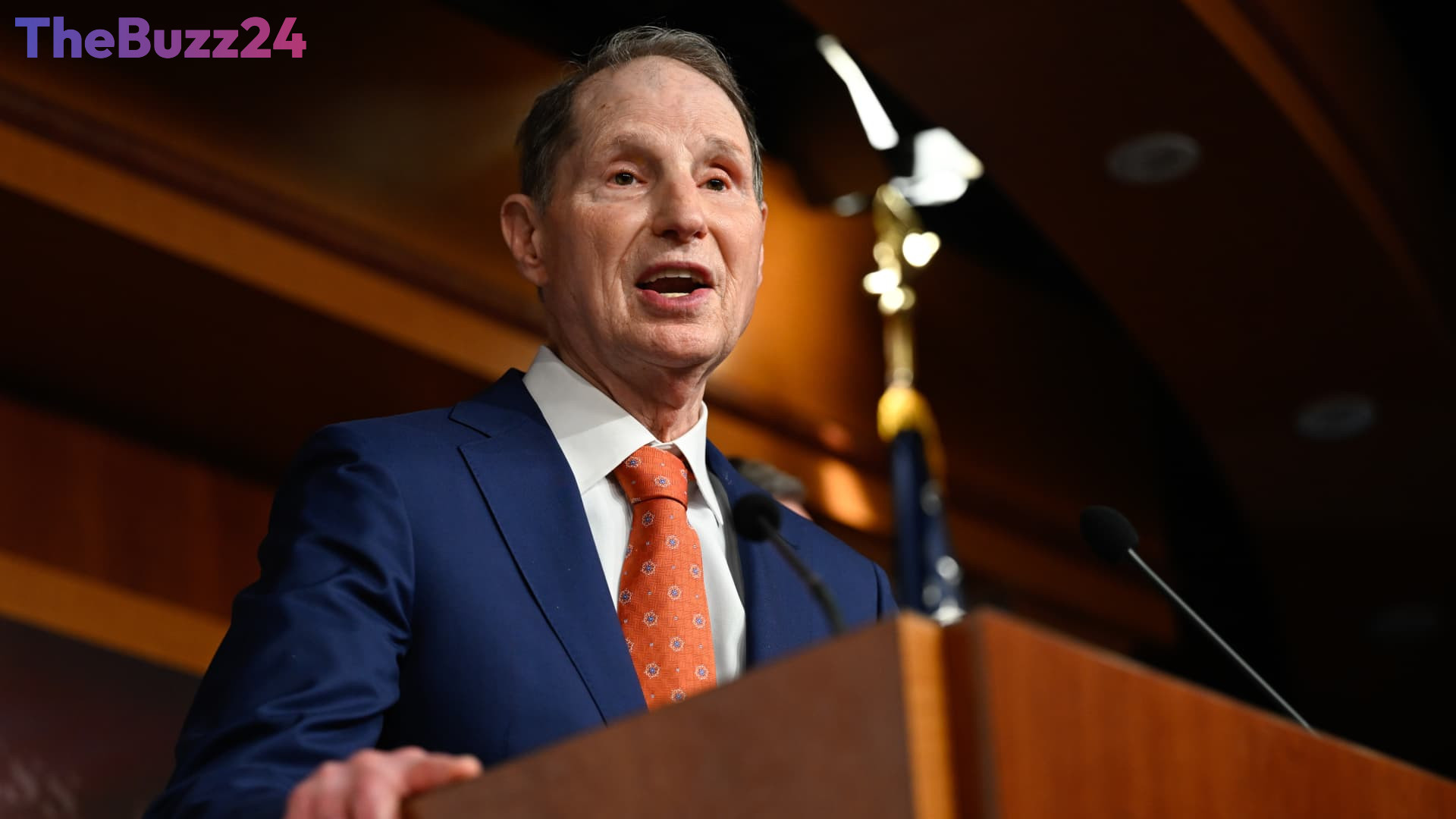
Senator Proposes Bill to Rein in Presidential Tariff Authority
Senator Ron Wyden has introduced new legislation aimed at curbing the broad tariff powers currently held by the President. The proposed bill, titled the Congressional Trade Powers Reform Act of 2026, seeks to reassert congressional authority over international trade policy, a move Wyden argues is necessary to prevent unilateral economic decisions.
Wyden, a prominent Democrat on the Senate Finance Committee, expressed strong disapproval of recent tariff actions, specifically citing the imposition of 50% retaliatory tariffs on Canadian goods. He characterized this action as an example of “reckless abuse of tariffs” and highlighted the invocation of a rarely used, nearly century-old trade law. The senator believes that Congress should regain control over trade matters, stating, “Congress must reassert its authority over trade and tariffs to stop any president from being able to unilaterally change the worldwide economy at the click of a button.”
The proposed legislation would introduce significant changes, including the establishment of a congressional tariff committee and making the Office of the U.S. Trade Representative an independent agency. It would require presidential proposals for tariffs under specific authorities—Sections 301, 201, and 232—to gain congressional approval. Furthermore, the bill aims to eliminate two “outdated” tariff authorities, Section 122 of the 1974 trade law and Section 338 of the Tariff Act of 1930.
The bill’s prospects in the current political climate appear challenging, with Republicans holding majorities in both houses of Congress. Even if passed, it could face a presidential veto. A White House spokesperson criticized the bill, accusing Democrats of neglecting economic issues while the president has secured significant investments through tariffs.
Key Takeaways
- Senator Ron Wyden has introduced a bill to limit the President's authority to impose tariffs.
- The proposed legislation would require congressional approval for certain tariffs and establish a new oversight committee.
- The bill faces significant political hurdles, including potential opposition from the executive branch and legislative challenges.
Editor’s Analysis & Impact
This legislative proposal highlights a significant tension between executive and legislative powers in U.S. trade policy. By seeking to re-establish congressional oversight on tariffs, Senator Wyden’s bill addresses concerns about the potential for unilateral executive actions to disrupt global trade and economies. The bill’s success hinges on navigating complex political dynamics, but its introduction signals a growing debate over the balance of power in setting trade policy. If enacted, it could lead to more deliberative and potentially less volatile trade actions, impacting international business relations and market stability.
Frequently Asked Questions
Q: What is the main goal of the Congressional Trade Powers Reform Act of 2026?
A: The main goal of the bill is to rein in the broad tariff powers of the President and give Congress a greater say in international trade policy.
Q: What specific tariff authorities would be affected by this bill?
A: The bill would require congressional approval for tariffs imposed under Sections 301, 201, and 232 of existing trade laws. It also aims to eliminate tariff authorities under Section 122 of the 1974 trade law and Section 338 of the Tariff Act of 1930.
Q: What are the chances of this bill becoming law?
A: The bill faces significant challenges, including potential opposition from the Republican-controlled Congress and the possibility of a presidential veto. Its passage is considered unlikely in the current political landscape.
AI Disclosure: This article is based on verified data and official reports. Our Team and AI have cross-referenced every financial detail with primary sources to ensure total accuracy.
More from this Category