Senator Sanders Proposes Federal Ban on License Plate Reader Technology
Senator Bernie Sanders has introduced new legislation aimed at prohibiting federal agencies from utilizing automatic license plate reader (ALPR) technology. The proposed “Ban Flock Act” seeks to prevent federal departments from employing these systems directly or accessing data gathered by ALPRs operated by local law enforcement or private entities.
The bill, while not explicitly naming Flock in its text, encompasses all ALPR systems. It carves out narrow exceptions for toll collection and for specific uses that would require explicit future congressional approval, with a strict data retention limit of 48 hours. Should the legislation pass, state and local governments that fail to comply could face financial penalties, including the loss of grants from key federal departments such as the Department of Justice and Homeland Security.
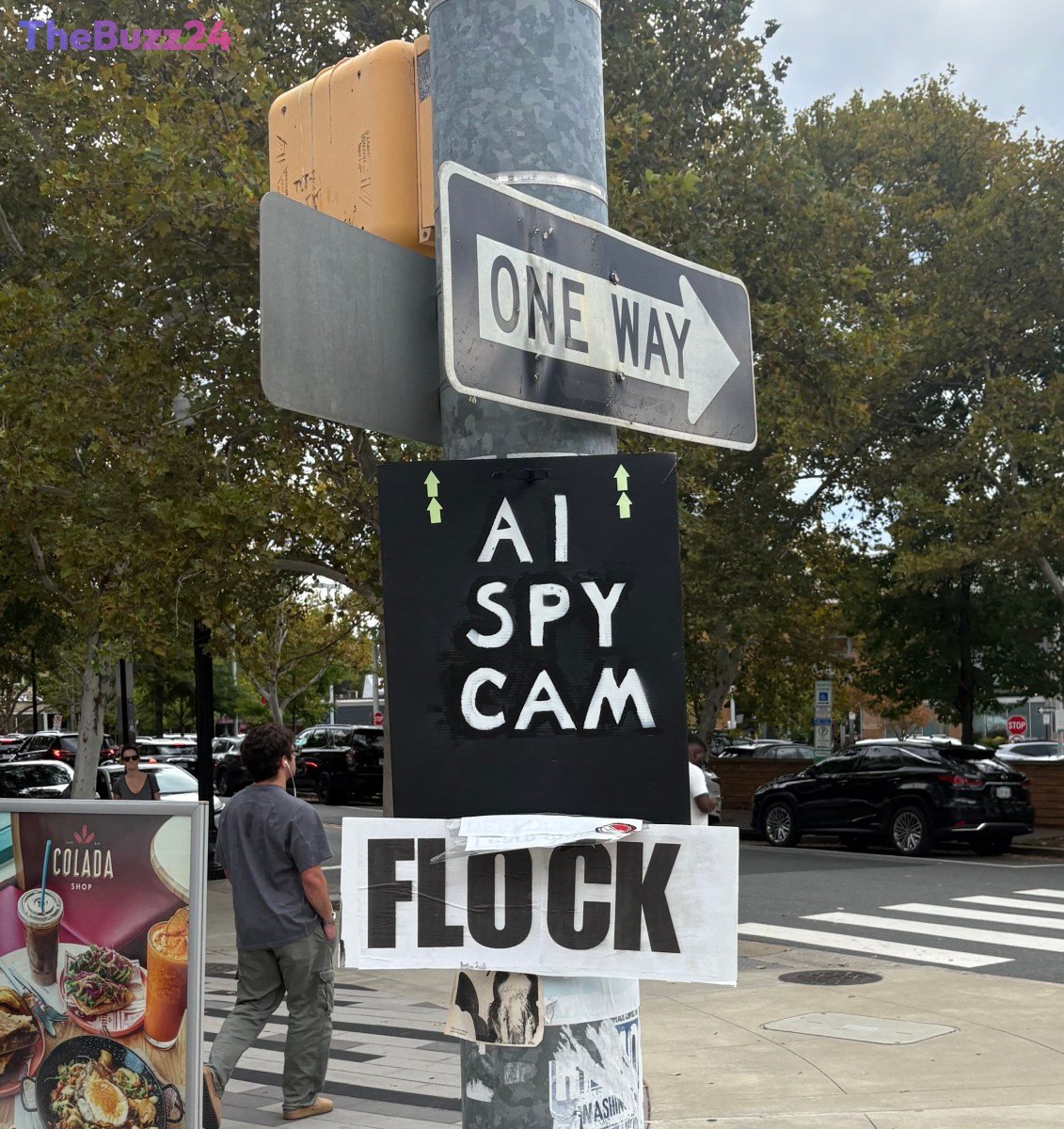
Flock, identified as the largest ALPR vendor in the United States with over 120,000 cameras, has been under significant public scrutiny. The company processes an estimated 20 billion vehicle reads monthly. In response to growing community protests and contract cancellations, Flock has recently updated its policies. CEO Garrett Langley announced a reduction in the default data retention period to seven days, down from 30, and introduced an audit tool to monitor and restrict access for unusual data searches. This move comes amid concerns about potential misuse of the technology, highlighted by a case where a former officer faced misconduct charges for excessive searches.
Representative Alexandria Ocasio-Cortez and Senator Jeff Merkley are listed as co-sponsors of the bill. The legislation also includes provisions allowing American citizens to file lawsuits against the federal government for violations and empowers state attorneys general to enforce the new law.
Key Takeaways
- Senator Bernie Sanders has introduced a bill to ban federal agencies from using automatic license plate reader (ALPR) technology.
- The proposed legislation would prohibit federal agencies from using ALPR systems or accessing data from local or private readers.
- The bill includes financial penalties for non-compliant state and local governments and allows for citizen lawsuits.
- Flock, a major ALPR vendor, has recently updated its data retention policies amid public pressure.
Editor’s Analysis & Impact
Senator Sanders’ proposed legislation highlights a growing tension between law enforcement’s use of surveillance technology and public concerns over privacy. The “Ban Flock Act” could significantly impact the market for ALPR systems, particularly for companies like Flock, which holds a dominant position. If enacted, the bill would not only restrict federal agencies but also incentivize state and local governments to reconsider their reliance on such technology through financial leverage. The potential for citizen lawsuits and state-level enforcement suggests a robust mechanism for oversight. This move could signal a broader shift in how advanced surveillance tools are regulated, potentially leading to increased scrutiny and stricter privacy protections across the board.
Frequently Asked Questions
Q: What is the primary goal of the Ban Flock Act?
A: The primary goal of the Ban Flock Act is to prohibit federal government agencies from using automatic license plate reader (ALPR) technology and from accessing data collected by these systems.
Q: What are the exceptions to the proposed ban?
A: The bill allows for exceptions for toll collection and for specific uses that would require future congressional approval with a data retention limit of 48 hours.
Q: What happens if state or local governments don't comply with the bill?
A: If the bill becomes law, state and local governments that do not comply could lose grants from five federal departments, including the Department of Justice and the Department of Homeland Security.
AI Disclosure: This article is based on verified data and official reports. Our Team and AI have cross-referenced every financial detail with primary sources to ensure total accuracy.
More from this Category