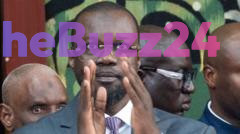
Senegal’s Political Power Struggle Intensifies as Ousmane Sonko Takes Legislative Helm
Senegal’s political landscape has undergone a dramatic transformation following the appointment of Ousmane Sonko as the Speaker of the National Assembly. This development comes on the heels of his sudden removal from the role of Prime Minister by President Bassirou Diomaye Faye, signaling a deepening rift between the two prominent leaders. By assuming the country’s second-highest office, Sonko—a figurehead with significant grassroots support—is now positioned to exert substantial influence over the legislative process, potentially creating a major hurdle for the President’s administration.
The tension between the two leaders has been simmering for months, primarily fueled by conflicting visions regarding economic management and the handling of Senegal’s mounting public debt. While President Faye has moved to replace Sonko with economist Ahmadou Al Aminou Lo, the shift in parliamentary leadership introduces a new layer of uncertainty. Given that the Pastef party maintains a majority in the National Assembly, Sonko’s new position grants him a powerful platform to challenge or reshape the government’s agenda, particularly during critical negotiations with international lenders.
Although Sonko has publicly emphasized a commitment to national interests over personal grievances, political observers remain cautious. The constitutional protections preventing the dissolution of parliament mean that the President may find his executive authority constrained by the legislative branch. With Senegal facing a challenging debt-to-GDP ratio of 132%, the clash between the administration’s establishment-focused strategy and Sonko’s populist reform agenda is expected to define the nation’s political trajectory in the coming months.
Key Takeaways
- Ousmane Sonko has been appointed Speaker of the National Assembly following his dismissal as Prime Minister.
- The move creates a significant power struggle between Sonko and President Bassirou Diomaye Faye, potentially stalling the administration's legislative agenda.
- Economic policy disagreements and a high national debt-to-GDP ratio remain the core issues driving the friction between the two leaders.
Editor’s Analysis & Impact
The elevation of Ousmane Sonko to Speaker of the National Assembly represents a pivotal moment for Senegalese governance. By moving from the executive branch to the legislative, Sonko has effectively transitioned from a subordinate role to a position of institutional oversight. This shift creates a ‘cohabitation’ dynamic that could lead to legislative gridlock, especially as the country faces urgent economic reforms. Investors and international financial institutions will likely view this power struggle with concern, as the lack of alignment between the President and the Speaker could delay necessary fiscal adjustments. The future stability of the nation now hinges on whether these two leaders can find a pragmatic middle ground or if the ideological divide will lead to a prolonged period of political paralysis that hampers Senegal’s economic recovery efforts.
Frequently Asked Questions
Q: Why was Ousmane Sonko removed from his position as Prime Minister?
A: While the official reasons involve a shift in administrative strategy, the move follows months of escalating friction between Sonko and President Faye regarding economic policy and public debt management.
Q: What impact does Sonko's new role have on the President's power?
A: As Speaker of the National Assembly, Sonko now leads the legislative branch. Because the constitution limits the President's ability to dissolve parliament, Sonko has a strategic platform to block or influence the President's legislative agenda.
AI Disclosure: This article is based on verified data and official reports. Our Team and AI have cross-referenced every financial detail with primary sources to ensure total accuracy.
More from this Category