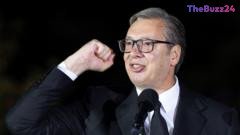
Serbian President Aleksandar Vučić Resigns Amidst Prolonged Anti-Corruption Protests
Serbian President Aleksandar Vučić has officially stepped down from his post, marking a significant turning point in the nation’s political landscape following more than a year of intense, student-led demonstrations. The resignation comes after mounting public outrage over systemic government corruption, which reached a boiling point following the tragic 2024 collapse of the Novi Sad railway station roof that claimed 16 lives. For many citizens, the disaster served as a grim symbol of negligence under the Progressive Party’s long-standing administration.
Addressing supporters in Belgrade, Vučić defended his nine-year tenure, claiming he had maintained peace and stability despite the growing unrest. While he is constitutionally barred from seeking a third presidential term, his departure does not signal a total exit from public life. Vučić has confirmed his intention to run as the Progressive Party’s candidate for prime minister in the upcoming snap parliamentary elections, a move that has drawn sharp criticism from opposition groups who view it as an attempt to retain power through alternative means.
In the wake of his resignation, Parliamentary Speaker Ana Brnabić has been appointed as interim president. The nation now faces a period of intense political activity, with two separate elections scheduled before the end of the year. The upcoming parliamentary vote will feature a high-stakes contest between the Progressive Party and a coalition of opposition forces, including the student-led ‘Students Win’ movement and the pro-Western ‘European Serbia’ alliance. As the country prepares for these polls, Vučić has utilized his final executive powers to issue pardons for 49 individuals involved in recent protest-related incidents, citing a need to move past the turmoil of the last eighteen months.
Key Takeaways
- President Aleksandar Vučić has resigned following over a year of widespread anti-corruption protests triggered by the 2024 Novi Sad railway station tragedy.
- Vučić intends to remain in politics by running for prime minister in the upcoming snap parliamentary elections, as he is constitutionally ineligible for another presidential term.
- Serbia will hold two major elections before the end of the year, with the Progressive Party facing stiff competition from the 'Students Win' movement and pro-Western opposition coalitions.
Editor’s Analysis & Impact
The resignation of Aleksandar Vučić represents a critical inflection point for Serbia’s geopolitical and domestic trajectory. Having balanced a delicate ‘multi-vector’ foreign policy—courting EU membership while maintaining ties with Russia and China—Vučić’s potential transition to the premiership suggests a desire to maintain the status quo despite significant domestic pushback. The market and political implications are substantial; investors will likely remain cautious until the parliamentary election results clarify whether the Progressive Party can maintain its grip on power or if a coalition government will force a shift in economic and foreign policy. The rise of the ‘Students Win’ movement indicates a generational shift in Serbian politics, signaling that future administrations will face increased pressure for transparency, institutional reform, and alignment with European democratic standards.
Frequently Asked Questions
Q: Why did Aleksandar Vučić resign as president?
A: Vučić resigned following over a year of sustained public protests regarding government corruption and the 2024 collapse of the Novi Sad railway station, which resulted in 16 deaths.
Q: Can Vučić run for president again?
A: No, under the Serbian constitution, Vučić is ineligible to serve a third presidential term, though he is currently seeking to run for prime minister.
AI Disclosure: This article is based on verified data and official reports. Our Team and AI have cross-referenced every financial detail with primary sources to ensure total accuracy.
More from this Category