Severe Flash Flooding Paralyzes New York and New Jersey Following Intense Storms
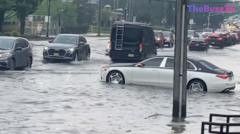
A powerful storm system swept through the New York City metropolitan area and New Jersey this past Saturday, unleashing torrential rainfall that triggered widespread flash flooding and significant infrastructure disruption. The sudden deluge overwhelmed drainage systems, leading to rapid water accumulation on city streets and forcing water into several subway stations, complicating transit for thousands of commuters.
As the situation escalated, the impact on local infrastructure became severe. Numerous motorists were forced to abandon their vehicles as rising floodwaters rendered roads impassable, while emergency response teams were deployed to conduct rescues for individuals trapped in inundated areas. Social media footage captured the intensity of the event, showing residents navigating through knee-deep water in various neighborhoods across the Tri-State region.
The severe weather also forced a halt to major public events and travel operations. Air travel experienced significant delays and cancellations, impacting travelers during a busy weekend. Furthermore, the sporting world was not spared, as the scheduled baseball game between the New York Yankees and the Los Angeles Dodgers in the Bronx was postponed due to the hazardous conditions, highlighting the scale of the disruption caused by the storm.
Key Takeaways
- Torrential rain caused widespread flash flooding across New York City and New Jersey, leading to significant transit and infrastructure disruptions.
- Emergency services were required to perform rescues as motorists were forced to abandon vehicles in rising floodwaters.
- Major public events, including a high-profile Yankees-Dodgers game and various flight schedules, were canceled or delayed due to the storm.
Editor’s Analysis & Impact
The recent flooding in the New York metropolitan area serves as a stark reminder of the increasing vulnerability of aging urban infrastructure to extreme weather events. As climate patterns shift, the frequency of high-intensity precipitation events is placing unprecedented pressure on drainage and transit systems that were not originally designed to handle such rapid water volume. From a market perspective, these recurring disruptions highlight the urgent need for increased municipal investment in climate-resilient infrastructure. Future urban planning must prioritize flood mitigation strategies to protect economic activity and public safety. Failure to modernize these systems will likely lead to higher insurance premiums, increased costs for emergency management, and a persistent threat to the operational continuity of major commercial hubs in the region.
Frequently Asked Questions
Q: What caused the flooding in New York and New Jersey?
A: The flooding was caused by a powerful storm system that brought torrential rainfall and thunderstorms to the region, overwhelming local drainage systems.
Q: Were there any major events affected by the storm?
A: Yes, the storm caused significant disruptions to air travel and forced the postponement of a baseball game between the New York Yankees and the Los Angeles Dodgers.
AI Disclosure: This article is based on verified data and official reports. Our Team and AI have cross-referenced every financial detail with primary sources to ensure total accuracy.
More from this Category