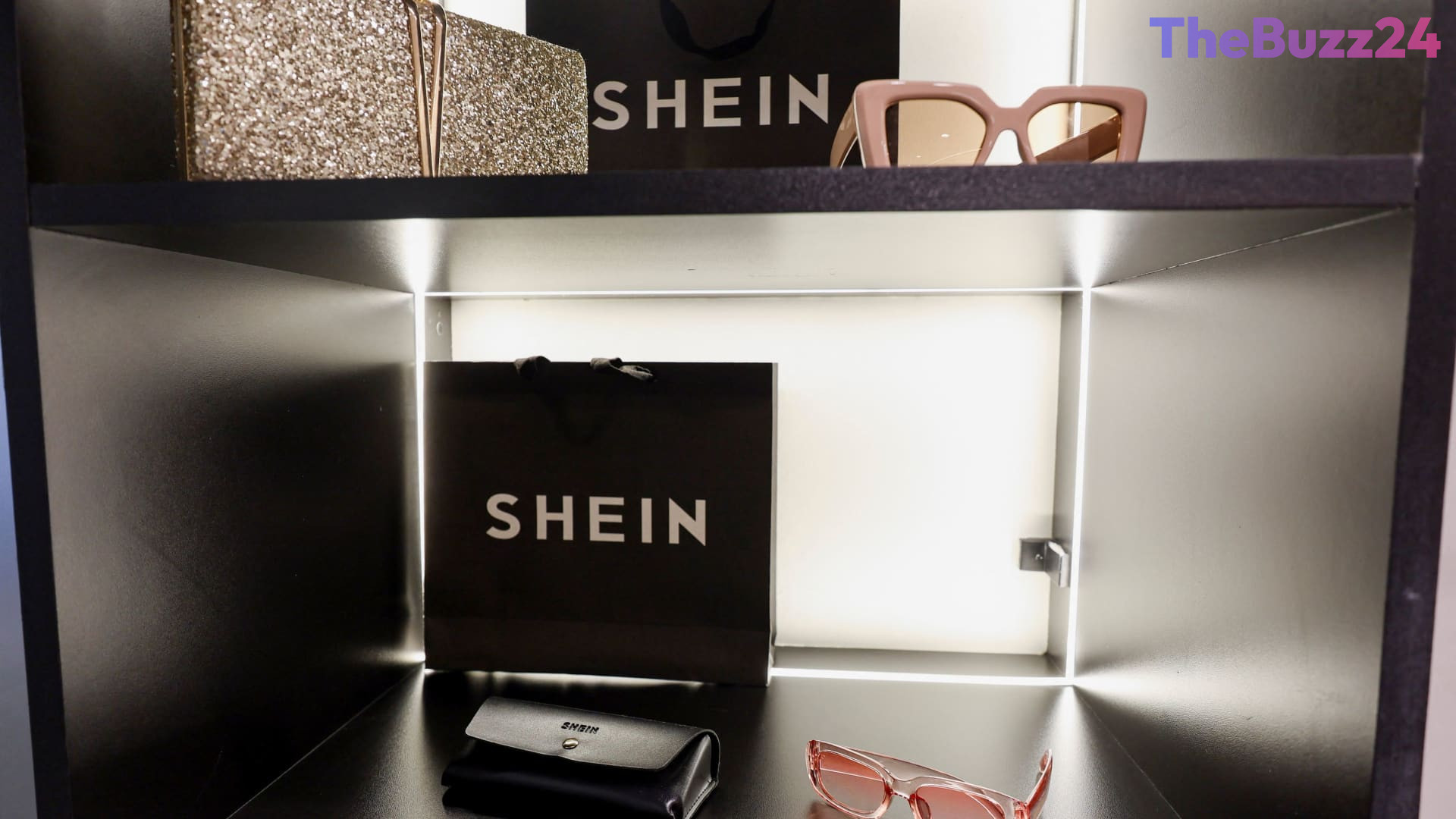
Shein’s IPO Ambitions Face Steep Challenges Amid Decelerating Growth and Market Shifts
Fast-fashion giant Shein is navigating a challenging path toward its public listing in Hong Kong, encountering significant headwinds that have dampened investor enthusiasm and raised questions about its valuation. After previous attempts to list in New York and London faltered, the company secured Beijing’s approval for a Hong Kong IPO, a move that followed a public re-embrace of its Chinese heritage, which it had previously downplayed.
Recent financial disclosures paint a picture of slowing momentum. Shein’s revenue growth decelerated to 8% in 2025, reaching $41.8 billion, a notable drop from the 20.7% growth recorded the prior year. The first quarter of 2026 saw the company swing to a $99 million loss, partly attributed to the removal of a U.S. import-duty exemption on small packages and a substantial one-time accounting charge. Analysts, including William Ma, chief investment officer at GROW Investment Group, suggest the company has “missed the golden time to list,” as investor and consumer excitement for ultra-fast fashion has waned. The company’s valuation has seen a dramatic decline, pressured to flatten to $30 billion, a stark contrast to the nearly $100 billion it commanded in 2022 and $64 billion in 2024. This revised valuation is still considered demanding when compared to industry peers.
The broader market landscape has also shifted, with the Hong Kong IPO pipeline now heavily dominated by listings from AI and chip companies, diminishing the appetite for fast-fashion retailers. Experts like Lenny Zephirin, principal and analyst at The Zephirin Group, observe Shein’s transition “from a high-growth, technology-enabled fast-fashion platform to a mature global apparel retailer facing structurally slower growth and sustained margin pressure.” Beyond financial performance, Shein faces increasing regulatory scrutiny, including an ongoing investigation by the U.S. Federal Trade Commission, and persistent reputational and ethical concerns regarding alleged poor working conditions, the addictive nature of its app, and the environmental impact of its extensive air shipments.
Sales data further underscores a slowdown that extends beyond tariff impacts. Shein’s share of U.S. apparel spending peaked in early 2025 and has since declined, particularly among its core 18-to-34-year-old demographic, with growth now primarily driven by shoppers over 55. This demographic shift signals a potential maturity phase for the brand. Competitors like Temu have adapted by localizing inventory, a strategy challenging for Shein’s ultra-fast fashion model, which relies on shipping thousands of new designs on demand from China. Additionally, new import fees imposed by the European Union have led both Shein and Temu to pause significant advertising spending in Europe, impacting customer acquisition in a region that previously contributed a substantial portion of Shein’s revenue.
Key Takeaways
- Shein's IPO in Hong Kong faces significant challenges, including decelerating revenue growth, a recent financial loss, and a substantial reduction in its market valuation from previous rounds.
- Investor and market sentiment has shifted, with the Hong Kong IPO pipeline now favoring AI and chip companies, while Shein is increasingly viewed as a mature apparel retailer rather than a high-growth tech platform.
- The company is grappling with increased regulatory scrutiny, ethical concerns, and intense competition from rivals like Temu, alongside a notable decline in its appeal to younger demographics in key markets.
Editor’s Analysis & Impact
Shein’s arduous journey to a public listing highlights a significant pivot in investor sentiment and market dynamics. The shift away from high-growth, fast-fashion valuations towards more sustainable and technologically advanced sectors like AI signals a maturing investment landscape. For the broader retail industry, this underscores increasing scrutiny on business models that prioritize rapid expansion over profitability and ethical considerations. Shein’s struggles could serve as a cautionary tale, prompting other fast-fashion players to re-evaluate their growth strategies and supply chain practices.
The future outlook for Shein will depend on its ability to adapt to these new realities. Successfully navigating regulatory challenges, addressing ethical concerns, and innovating its supply chain to maintain competitiveness against rivals like Temu will be crucial. Its strategic pivot towards emphasizing its Chinese roots and domestic listings might be a necessary move, but it could also limit its global reach and access to diverse capital markets. This situation also reflects a broader trend of Chinese companies increasingly seeking listings closer to home amidst geopolitical tensions and stricter overseas regulatory environments.
Frequently Asked Questions
Q: Why is Shein's IPO facing difficulties?
A: Shein's IPO is encountering challenges due to a slowdown in revenue growth, a recent financial loss, a significant drop in its valuation, and a shift in investor interest towards AI and chip companies in the Hong Kong market.
Q: What are the main concerns investors have about Shein?
A: Investors are concerned about Shein's decelerating growth, its demanding valuation compared to peers, increasing regulatory scrutiny (including a U.S. FTC investigation), ethical issues related to working conditions and environmental impact, and a decline in its appeal to its core young demographic.
Q: How has the competitive landscape changed for Shein?
A: Rivals like Temu have adapted by localizing inventory, a strategy difficult for Shein's ultra-fast fashion model. Additionally, new import fees in the EU have impacted advertising spending, affecting customer acquisition in a key revenue region.
AI Disclosure: This article is based on verified data and official reports. Our Team and AI have cross-referenced every financial detail with primary sources to ensure total accuracy.
More from this Category