Global Shipping Remains Paralyzed in Strait of Hormuz Despite Ceasefire
The Strait of Hormuz, a critical maritime artery responsible for transporting roughly 20% of the world’s oil and liquefied natural gas, remains effectively paralyzed despite a recently declared two-week ceasefire. While the agreement was intended to restore stability to the narrow 33-kilometer-wide passage, shipping operators are showing extreme caution, with traffic levels remaining a fraction of their pre-conflict volume. Before the escalation on February 28, the strait saw an average of 138 daily transits; however, as of April 8, only a handful of vessels have attempted the journey.
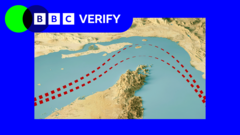
This reluctance is largely driven by explicit threats from Iran’s navy, which has warned that any vessel attempting passage without prior authorization faces the risk of being targeted. The few ships that have successfully navigated the strait since the ceasefire have notably hugged the Iranian coastline rather than utilizing the traditional central shipping lanes, highlighting the deep-seated anxiety among maritime crews. Industry experts suggest that the current lack of clear, binding safety protocols makes a return to normal operations unlikely in the immediate future.
Beyond the immediate security threats, the shipping industry is grappling with the temporary nature of the ceasefire and the potential for hidden hazards, such as unexploded sea mines. Furthermore, the prospect of Iran demanding toll payments for passage has created a legal minefield for international companies. Maritime lawyers warn that paying such tolls could violate existing U.S. sanctions, exposing shipping firms to severe financial and legal penalties. As the ceasefire expiration date approaches, the global energy market remains on edge, with experts warning that the flow of goods through this vital choke point will not normalize until there is unequivocal confirmation of safety and legal compliance.
Key Takeaways
- Shipping traffic through the Strait of Hormuz remains at a near-standstill despite a two-week ceasefire, with daily transits falling from 138 to just a few vessels.
- Shipping companies are avoiding the route due to explicit threats from Iran and the lack of clear, internationally recognized safety guarantees.
- Potential demands for transit tolls pose a significant legal risk, as payments could trigger severe U.S. sanctions against shipping operators.
Editor’s Analysis & Impact
The ongoing instability in the Strait of Hormuz represents a systemic risk to the global energy supply chain. The current situation highlights the fragility of international maritime corridors when faced with regional geopolitical conflicts. The market’s initial relief, evidenced by a 13% drop in Brent crude prices, appears premature given the lack of a long-term diplomatic resolution. Moving forward, the industry faces a ‘wait-and-see’ period where the primary concern is not just physical safety, but the legal implications of navigating a zone under contested control. If the ceasefire expires without a more permanent security framework, we can expect sustained volatility in energy prices and a potential permanent shift in maritime insurance premiums and routing strategies, as companies seek to avoid this high-risk choke point at all costs.
Frequently Asked Questions
Q: Why are shipping companies hesitant to use the Strait of Hormuz despite the ceasefire?
A: Companies are concerned about the temporary nature of the ceasefire, the threat of being targeted by the Iranian navy, and the legal risks associated with potential toll payments that could violate U.S. sanctions.
Q: What is the significance of the Strait of Hormuz to the global economy?
A: The strait is a vital maritime choke point that facilitates the transport of approximately 20% of the world's oil and liquefied natural gas, making it essential for global energy security.
AI Disclosure: This article is based on verified data and official reports. Our Team and AI have cross-referenced every financial detail with primary sources to ensure total accuracy.
More from this Category