Global Markets Surge as Middle East Ceasefire Eases Energy Supply Fears
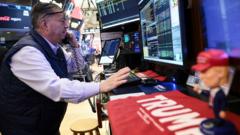
Global financial markets experienced a sharp rebound this week as investors reacted to a provisional two-week ceasefire agreement between the United States and Iran. The diplomatic breakthrough, which includes a commitment to reopen the strategic Strait of Hormuz, triggered a significant sell-off in energy markets. Brent crude futures plummeted by more than 15%, falling below $92 per barrel, while U.S. oil futures followed suit, settling just under $94. This cooling of energy prices provided the necessary catalyst for a broad-based rally across international stock exchanges.
The truce follows weeks of intense geopolitical friction that threatened the stability of global energy transit. By securing a commitment for the safe passage of vessels through the Strait of Hormuz, the agreement aims to mitigate the risk of a wider regional conflict. While the deal is currently limited to a two-week window, it represents a critical diplomatic effort to prevent further inflationary pressure on global energy costs. Both U.S. and Iranian officials have signaled a willingness to maintain the status quo, provided that security conditions remain stable.
Equity markets responded with enthusiasm to the news, with the S&P 500 and Nasdaq Composite posting gains of 2.4% and 2.8%, respectively. European and Asian indices saw even more pronounced growth, with the Nikkei 225 and the Kospi surging significantly. However, the long-term economic outlook remains tempered by the physical damage sustained during the conflict. With an estimated $25 billion in infrastructure losses—including a 17% reduction in export capacity at Qatar’s Ras Laffan hub—experts warn that a full recovery of energy output could take years. Despite the immediate market relief, the path to sustained stability remains fragile as the region begins the arduous process of rebuilding.
Key Takeaways
- A two-week ceasefire between the U.S. and Iran has led to a 15% drop in crude oil prices and a global stock market rally.
- The agreement focuses on reopening the Strait of Hormuz, a vital artery for global energy supplies that had been threatened by recent hostilities.
- Despite the market optimism, the conflict caused over $25 billion in infrastructure damage, with some energy facilities expecting a multi-year recovery period.
Editor’s Analysis & Impact
The recent market rally highlights the extreme sensitivity of global equities to energy supply chain disruptions. While the ceasefire provides a necessary ‘breathing room’ for the global economy, the underlying structural damage to Middle Eastern energy infrastructure suggests that volatility may persist. Investors should remain cautious; the current market optimism is based on a short-term diplomatic patch rather than a permanent resolution. The significant production losses reported by major energy players like Exxon and the long-term export capacity constraints at hubs like Ras Laffan indicate that energy prices may remain elevated compared to pre-conflict levels for the foreseeable future. The recovery of developing Asian economies, which are disproportionately affected by these supply shocks, will be the primary indicator of whether this ceasefire can evolve into a durable economic stabilization.
Frequently Asked Questions
Q: Why did oil prices drop so sharply following the ceasefire announcement?
A: Oil prices dropped because the ceasefire includes a commitment to reopen the Strait of Hormuz, a critical maritime chokepoint for global oil shipments. The reduction in geopolitical risk lowered the 'war premium' previously baked into energy prices.
Q: Is the current ceasefire expected to lead to a full recovery of energy markets?
A: While the ceasefire is a positive step, experts warn that a full recovery will be a protracted process. Significant infrastructure damage, particularly in industrial hubs like Qatar's Ras Laffan, may take years to fully repair, meaning energy output may not return to pre-conflict levels immediately.
AI Disclosure: This article is based on verified data and official reports. Our Team and AI have cross-referenced every financial detail with primary sources to ensure total accuracy.
More from this Category