Silicon Anode Innovator Sila Secures $300M to Scale Up U.S. Battery Manufacturing
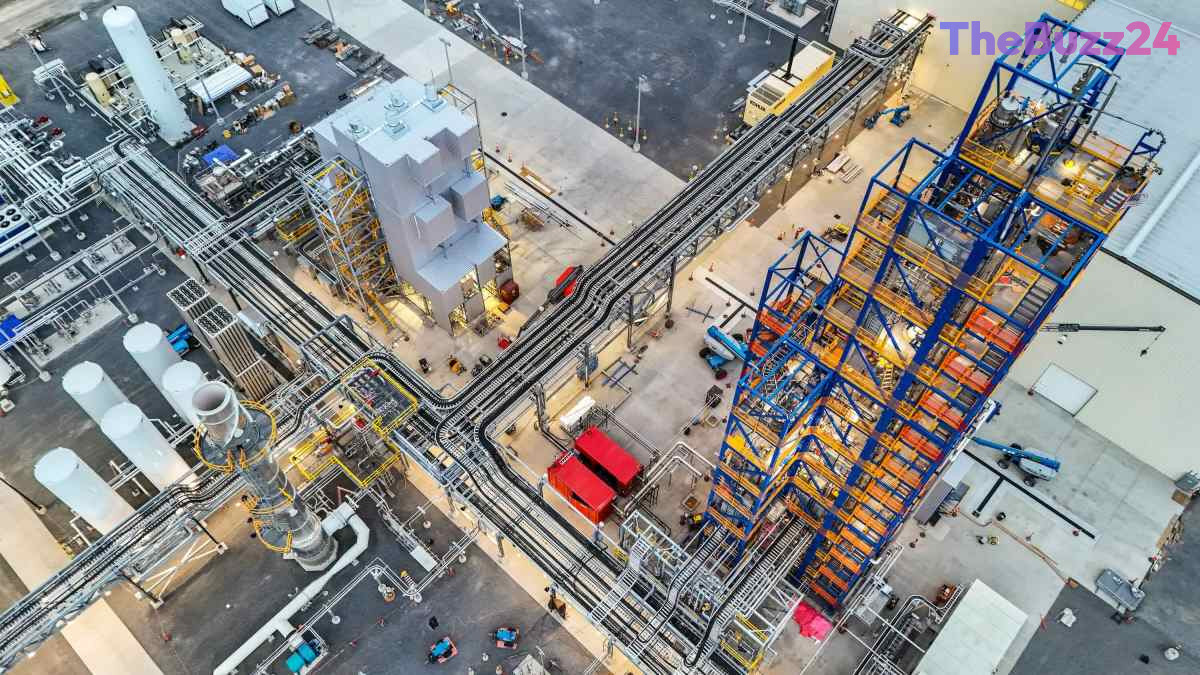
Next-generation battery material manufacturer Sila has successfully closed a $300 million investment round to significantly expand its primary production facility in Moses Lake, Washington. The substantial capital infusion will allow the company to scale up manufacturing output to tens of gigawatt-hours per year, providing enough silicon-carbon anode material to power more than 100,000 electric vehicles annually. The scaling project comes at a critical juncture as Western manufacturers seek domestic alternatives to traditional graphite components, which remain heavily concentrated in foreign supply chains.
Developed over 15 years, Sila’s proprietary silicon-carbon anode technology offers a major leap forward in performance, storing up to 40% more energy than standard graphite anodes while supporting faster charging speeds. Founded by former Tesla engineer Gene Berdichevsky, the startup has already established supply agreements with automotive giants including Mercedes and Panasonic, while also supplying components for consumer wearables like Whoop, as well as drone and satellite manufacturers.
Although regional EV adoption rates have experienced near-term shifts, global demand for electric vehicles continues to expand significantly. Beyond personal transportation, advanced energy storage systems are rapidly becoming vital infrastructure for artificial intelligence data centers and renewable energy projects. High-performance battery packs are increasingly deployed as backup power, peak-demand management tools, and continuous storage solutions for solar and wind energy.
The investment round was co-led by Sutter Hill Ventures and Atreides Management, with additional support from 8VC, Bessemer Venture Partners, Matrix Partners, and funds advised by T. Rowe Price Associates. This latest round pushes Sila’s total funding past $1.5 billion, reinforcing its position as a leading force in domestic battery technology commercialization.
Key Takeaways
- Sila raised $300 million to scale its Moses Lake facility, boosting production to supply over 100,000 electric vehicles annually.
- The company's silicon-carbon anode material increases battery energy capacity by up to 40% and speeds up charging compared to standard graphite.
- Sila serves major partners including Mercedes and Panasonic, while tapping into growth in aerospace, wearables, and AI data center power storage.
Editor’s Analysis & Impact
Sila’s successful funding round signals strong confidence in advanced battery chemistry as a critical driver of the clean energy transition. By offering a high-performance alternative to conventional graphite anodes, Sila addresses two major challenges simultaneously: elevating energy density for electric vehicles and mitigating geopolitical supply chain risks associated with graphite processing. Furthermore, the rising energy demands of AI infrastructure and utility-scale grid storage present a lucrative secondary market beyond automotive applications. As domestic manufacturing capabilities expand in North America, companies capable of commercializing superior material science at scale will play a decisive role in defining the next decade of energy storage technology.
Frequently Asked Questions
Q: What is Sila expanding with its new $300 million investment?
A: Sila is expanding its manufacturing plant in Moses Lake, Washington, to increase production capacity of its silicon-carbon anode material to tens of gigawatt-hours per year.
Q: How does Sila's material improve existing battery technology?
A: Sila's silicon-carbon anode material can store up to 40% more energy than traditional graphite anodes and enables faster charging times for battery cells.
Q: Which industries use Sila's battery materials?
A: In addition to electric vehicles produced by automakers like Mercedes, Sila's materials are used in consumer electronics, satellite and drone technology, and large-scale energy storage systems for data centers.
AI Disclosure: This article is based on verified data and official reports. Our Team and AI have cross-referenced every financial detail with primary sources to ensure total accuracy.
More from this Category