Singapore Cracks Down on Commuter Nuisances With Heavy Fines for Loud Audio and Eating on Buses
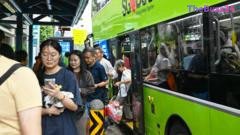
Commuters traveling through Singapore must now exercise greater consideration or face steep financial penalties, as new legal regulations come into effect across the nation’s public bus network. Actions such as playing audio without headphones, placing feet on seats, eating, drinking, and littering can now result in fines reaching up to $500 Singapore dollars. These updated mandates bring bus transit regulations in line with the established standards already enforced across the city-state’s Mass Rapid Transit rail system.
For more severe violations, such as intentionally obstructing fellow passengers, creating safety hazards within terminals, or soiling any infrastructure associated with the bus network, penalties escalate dramatically to a maximum of $5,000. Transport officials emphasize that these rigorous measures are designed to cultivate a more secure, respectful, and enjoyable commuting atmosphere for the thousands of daily riders who rely on public transportation.
Enforcement responsibilities have been strategically distributed to maintain operational safety. Authorized personnel, including ticket inspectors and interchange staff, possess the authority to issue official notices to suspected offenders. Meanwhile, bus captains are instructed to focus exclusively on driving duties, though they retain the power to request that disruptive individuals cease their behavior, disembark from the vehicle, or face law enforcement intervention when uncooperative.
This regulatory shift mirrors a broader international movement among metropolitan transit authorities seeking to curb anti-social behavior in shared spaces. Cities globally, from Kraków to various jurisdictions within the United Kingdom, are increasingly implementing or proposing strict rules against public disturbances, loud electronic media, and general commuter inconsideration to safeguard the peace of daily travelers.
Key Takeaways
- Commuters in Singapore face fines up to $500 for minor infractions like eating, drinking, littering, playing loud audio, or putting feet on bus seats.
- Severe violations, including soiling public transport facilities or causing safety hazards, carry penalties of up to $5,000.
- Bus drivers will focus strictly on safety while authorized staff handle the issuance of official fines.
Editor’s Analysis & Impact
The implementation of stricter legal penalties for commuter etiquette in Singapore highlights a growing global emphasis on public space governance. As urban centers become more densely populated, the friction within shared transit systems has escalated, prompting authorities to move away from informal, operator-enforced guidelines toward codified legal punishments. This shift reflects broader societal expectations around civic responsibility and mental well-being during daily commutes. While some critics may view these measures as overly punitive, transport authorities are betting that clear financial disincentives will successfully modify behavior and improve overall passenger satisfaction. Similar crackdowns in Europe and Asia suggest that automated enforcement and stricter transit police presences will likely become standard features of modern urban mobility networks in the coming years.
Frequently Asked Questions
Q: What kind of behaviors are now fined on Singapore buses?
A: Common nuisances such as playing loud audio, eating, drinking, littering, and placing feet on seats can incur fines up to $500 Singapore dollars.
Q: Can bus drivers issue fines to unruly passengers?
A: No, bus drivers are instructed to focus on safely operating the vehicle. Authorized staff, such as ticket inspectors and interchange personnel, are responsible for issuing official violation notices.
Q: Are other countries adopting similar rules for public transport?
A: Yes, cities like Kraków in Poland and transit authorities in the United Kingdom have established or proposed comparable regulations to penalize disruptive behavior and loud electronic devices on public transit.
AI Disclosure: This article is based on verified data and official reports. Our Team and AI have cross-referenced every financial detail with primary sources to ensure total accuracy.
More from this Category