Six Months of Standoff: The Shifting Strategy in the Iran Conflict
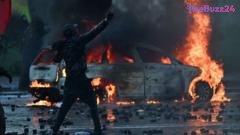
Six months after the initiation of major combat operations by the United States and Israel in Iran, the conflict has transitioned into a protracted stalemate. What was initially anticipated by the Trump administration to be a brief military engagement has evolved into a complex, long-term standoff with no clear resolution in sight. As the intensity of direct military strikes has waned, the focus has shifted toward a strategy of economic attrition.
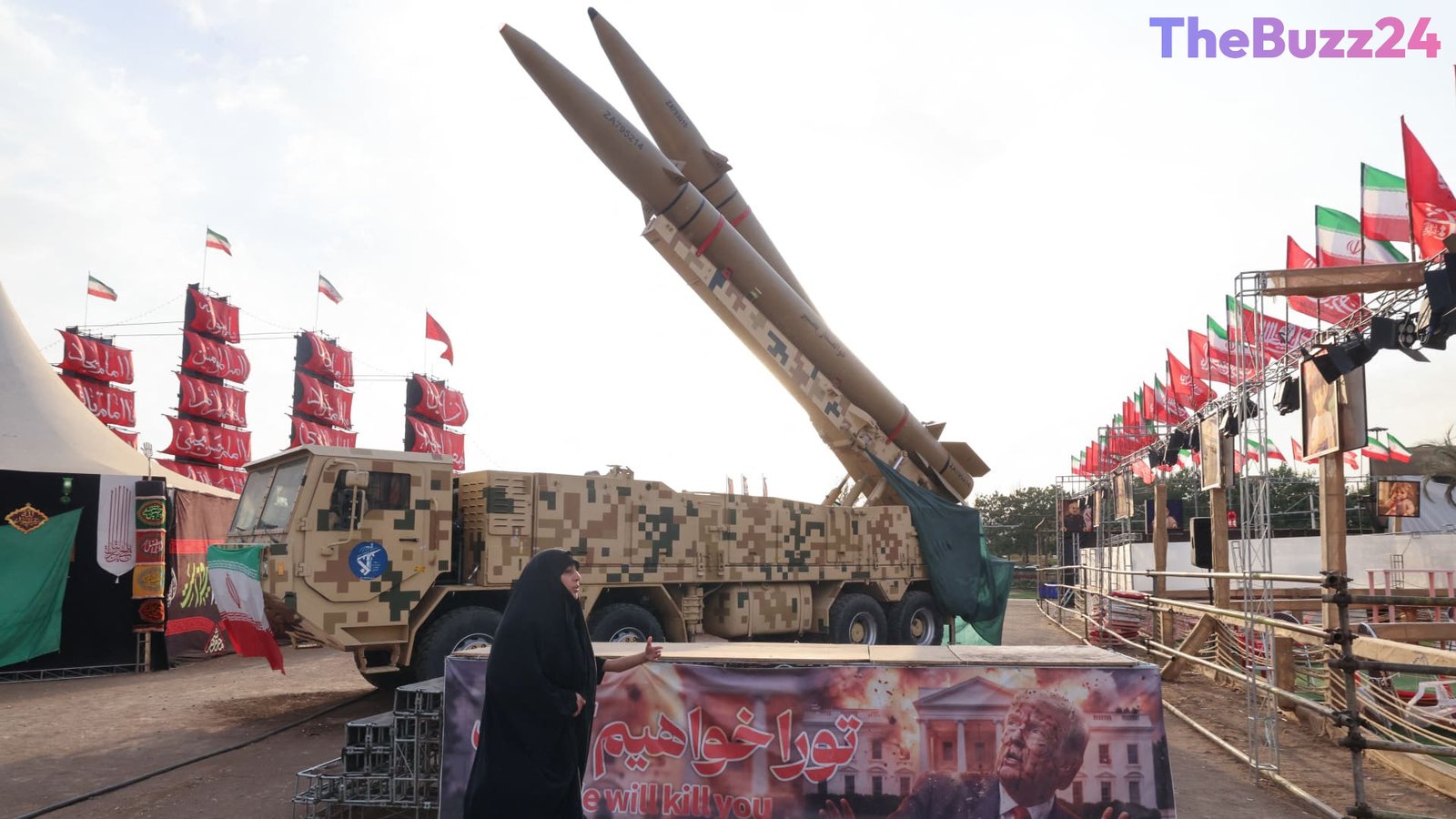
President Donald Trump has pivoted toward what has been described as an “economic D-Day,” characterized by the implementation of aggressive secondary sanctions. This approach aims to isolate Iran financially, though geopolitical analysts remain skeptical of its efficacy. Despite the severe economic pressure, the Iranian leadership has demonstrated significant resilience, showing little inclination to capitulate to international demands. Meanwhile, the Strait of Hormuz remains a critical flashpoint, with ongoing threats to maritime traffic keeping regional escalation risks elevated.
Market reactions have been notably muted compared to the initial volatility seen at the start of the conflict. While oil prices experienced a sharp rise early on, they have since stabilized, and global equity markets have largely maintained a positive trajectory, driven by corporate earnings rather than geopolitical fears. However, experts warn that the lack of clearly defined strategic objectives from Washington complicates the path to peace. Without a concrete definition of “victory” or a diplomatic breakthrough, the conflict appears destined to continue as a war of endurance, testing the limits of both Iranian domestic stability and international economic policy.
Key Takeaways
- The conflict has shifted from active, large-scale military operations to a strategy of economic warfare and secondary sanctions.
- Global markets have largely adjusted to the stalemate, with oil prices stabilizing and equity markets remaining resilient.
- Experts express skepticism regarding the effectiveness of economic pressure, noting that Iran has historically proven capable of enduring significant hardship.
Editor’s Analysis & Impact
The transition from kinetic warfare to economic containment represents a significant strategic pivot that carries long-term implications for global energy security and regional stability. By opting for a ‘wait and see’ approach, the administration is betting on the collapse of the Iranian economy; however, history suggests that such regimes often prioritize survival over economic prosperity, potentially leading to a multi-year period of instability. The primary risk remains the ‘unknown’—specifically, the potential for a miscalculation in the Strait of Hormuz or a sudden escalation if the economic noose fails to produce political concessions. Investors should remain cautious, as the current market complacency may be masking underlying vulnerabilities in global supply chains and energy logistics that could be triggered by any sudden shift in the conflict’s intensity.
Frequently Asked Questions
Q: Why has the U.S. shifted its strategy from military action to economic sanctions?
A: The shift appears to be a response to the high costs and risks associated with sustained military engagement, as well as a desire to avoid further depletion of munitions stockpiles while still exerting pressure on the Iranian regime.
Q: How has the conflict affected global oil prices?
A: While oil prices spiked by nearly 20% at the start of the war, they have since retreated from their peaks. The market is currently in 'backwardation,' indicating that traders expect prices to stabilize or decrease over the long term despite the ongoing geopolitical tension.
AI Disclosure: This article is based on verified data and official reports. Our Team and AI have cross-referenced every financial detail with primary sources to ensure total accuracy.
More from this Category