Social Security Solvency Emerges as Deciding Factor for Battleground Senate Voters
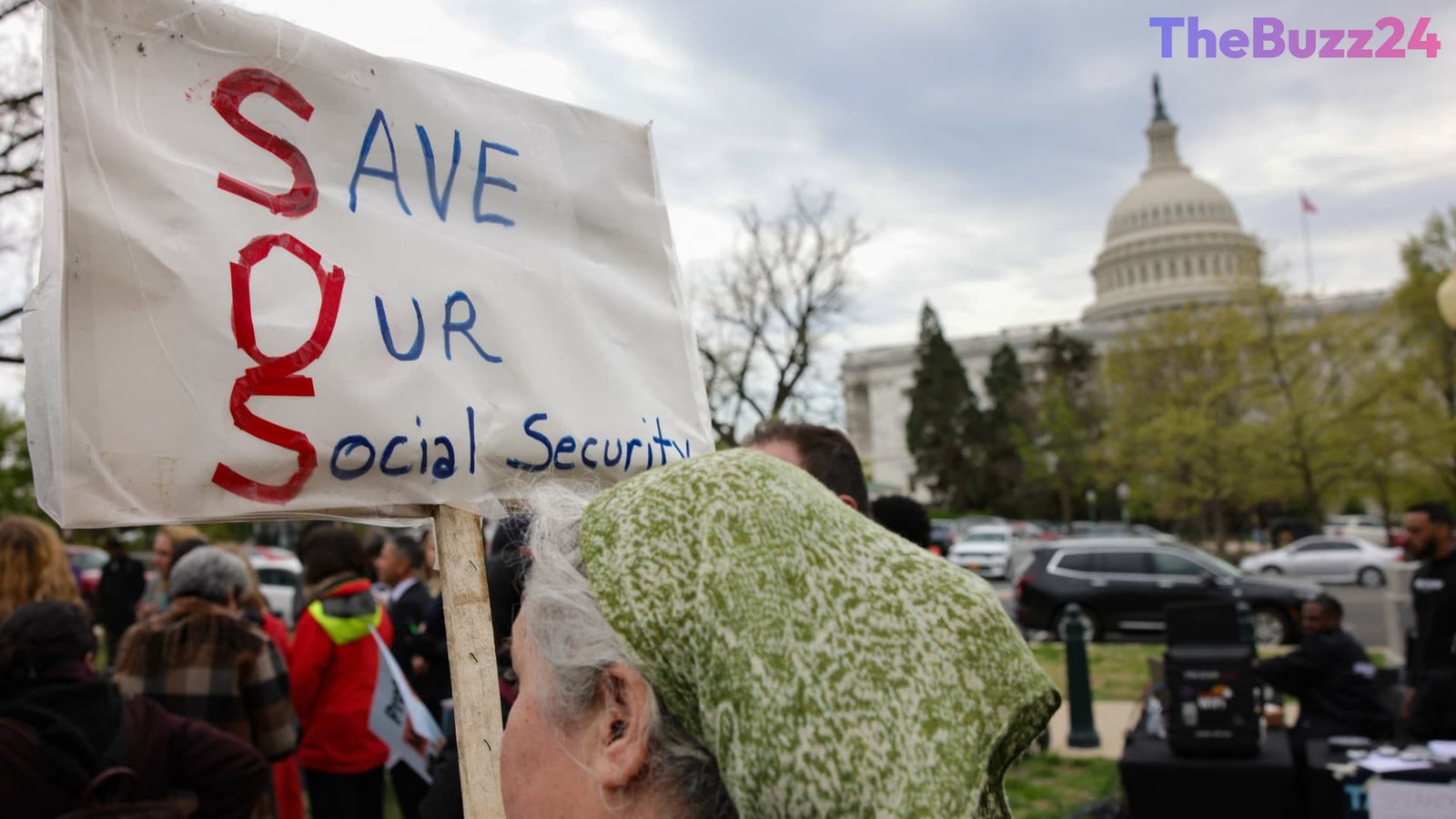
As the 2032 deadline for the depletion of the Social Security retirement trust fund approaches, the issue of program solvency is rapidly becoming a litmus test for voters in key battleground states. With the senators elected this November set to serve during the projected insolvency window, constituents are increasingly demanding concrete legislative plans rather than vague promises to protect the status quo. Failure to address the funding shortfall could result in an automatic 22% reduction in benefits for retirees, survivors, and dependents.
A recent survey of registered voters in Georgia, Michigan, North Carolina, Ohio, and Texas reveals that 81% of respondents prefer candidates who offer proactive reform strategies over those who simply pledge not to touch the program. Once voters were informed of the specific risks regarding the 2032 depletion date, support for reform measures surged to 91%, indicating that public awareness is a primary driver for political action. This sentiment remains consistent across party lines, with overwhelming support for reform among both Republican and Democratic voters.
When presented with potential solutions, voters showed a clear preference for revenue-generating measures over benefit cuts. A significant majority expressed support for increasing the payroll tax cap on higher earners, while proposals to cap annual benefits for high-income couples and adjust tax rates also gained traction. Conversely, the idea of government borrowing to bridge the funding gap received minimal support. As the fiscal cliff nears, the pressure is mounting on lawmakers to establish a bipartisan commission or legislative framework to ensure the long-term viability of the program before the options for reform become increasingly drastic.
Key Takeaways
- 81% of voters in competitive Senate states prefer candidates with a clear plan for Social Security solvency over those who promise no changes.
- Support for reform rises to 91% once voters are educated on the projected 2032 trust fund depletion and the potential for a 22% benefit cut.
- Voters favor increasing payroll tax caps and adjusting benefits for high earners over government borrowing as a means to stabilize the program.
Editor’s Analysis & Impact
The shift in voter sentiment regarding Social Security represents a significant departure from the traditional political ‘third rail’ mentality, where candidates historically avoided the topic to prevent backlash. The data suggests that the public is becoming more fiscally pragmatic, recognizing that the cost of inaction—a 22% benefit cut—is far more damaging than the cost of reform. For the financial and political sectors, this indicates that Social Security reform is moving from a taboo subject to a necessary policy priority. The future outlook suggests that regardless of which party controls the Senate, the pressure to form a bipartisan commission will intensify. Investors and policy analysts should monitor these battleground races closely, as the winners will likely be forced to prioritize fiscal solvency legislation early in their terms to avoid a late-decade crisis.
Frequently Asked Questions
Q: What happens if Congress does not act on Social Security by 2032?
A: If the trust fund is depleted as projected, the program may be forced to implement an automatic 22% reduction in benefits for retirees, spouses, children, and survivors.
Q: Do voters prefer tax increases or benefit cuts to save Social Security?
A: Surveys indicate that voters generally prefer revenue-focused solutions, such as increasing the payroll tax cap for high earners, rather than reducing benefits or relying on government borrowing.
AI Disclosure: This article is based on verified data and official reports. Our Team and AI have cross-referenced every financial detail with primary sources to ensure total accuracy.
More from this Category