South African Airline Defends Daring Stadium Flyover Amidst Safety Concerns
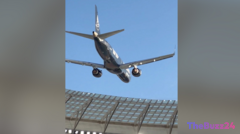
A South African airline has issued a defense of a recent aerial maneuver that saw two of its aircraft perform a close-formation, low-altitude flyover above a packed DHL Stadium in Cape Town. The stunt, which occurred just before a highly anticipated rugby match between South Africa and New Zealand, involved jets flying with smoke flares, drawing both admiration for the pilots’ skill and criticism regarding safety.
The airline, Airlink, stated that the operation was meticulously planned and executed with the full approval of aviation authorities. They emphasized that the flights were conducted by a crew of highly experienced senior captains, each fulfilling multiple roles including commander, co-pilot, and safety/technical officer. According to Airlink, the planes adhered to pre-approved and rehearsed safety altitude and speed parameters for the flypast.
Despite the airline’s assurances, the close proximity of the aircraft to the stadium, reportedly less than 50 feet above its highest point according to flight tracking data, has sparked debate. While some observers have voiced concerns about the potential risks associated with such a maneuver over a venue filled with over 50,000 spectators, many South Africans have expressed national pride in the pilots’ capabilities. The incident has drawn parallels to historical significant flyovers at major sporting events in the country, including a notable display before the 1995 Rugby World Cup final, an event deeply symbolic of South Africa’s post-apartheid reconciliation.
This tradition of aerial displays at significant South African sporting events highlights a unique cultural element. The recent flyover, while raising questions about modern aviation safety protocols in public spaces, also underscores a continued sense of national pride and a celebration of skilled aviation. The debate reflects a broader tension between the desire for spectacular public displays and the paramount importance of ensuring public safety.
Key Takeaways
- Airlink has defended a low-altitude flyover of DHL Stadium, stating it was approved and executed by experienced crew.
- The stunt, involving two aircraft flying close to the stadium during a rugby match, has drawn both praise for skill and criticism over safety concerns.
- The event has reignited discussions about the tradition of aerial displays at major South African sporting events and their associated risks and cultural significance.
Editor’s Analysis & Impact
This incident highlights a recurring theme in South African public events: the blend of national pride, historical symbolism, and the inherent risks of spectacular displays. While Airlink’s defense points to rigorous planning and regulatory approval, the public perception of risk remains a significant factor. The airline’s success in navigating this controversy will depend on transparency and continued adherence to safety standards. This event could influence future regulations regarding aerial stunts over crowded venues, potentially leading to stricter guidelines or a re-evaluation of what constitutes acceptable public spectacle in aviation.
Frequently Asked Questions
Q: What was the nature of the aerial stunt performed by Airlink?
A: Airlink performed a low-altitude, close-formation flyover with two aircraft, accompanied by smoke flares, above DHL Stadium in Cape Town during a rugby match between South Africa and New Zealand.
Q: What was Airlink's justification for the flyover?
A: Airlink stated that the stunt was carefully planned, approved by aviation authorities, and executed by highly experienced crew members adhering to strict safety protocols and pre-approved flight parameters.
Q: Has a similar event occurred before in South Africa?
A: Yes, low-altitude flybys have become a feature of major matches in South Africa, with a notable instance being a South African Airways jet flying over Ellis Park stadium before the 1995 Rugby World Cup final.
AI Disclosure: This article is based on verified data and official reports. Our Team and AI have cross-referenced every financial detail with primary sources to ensure total accuracy.
More from this Category