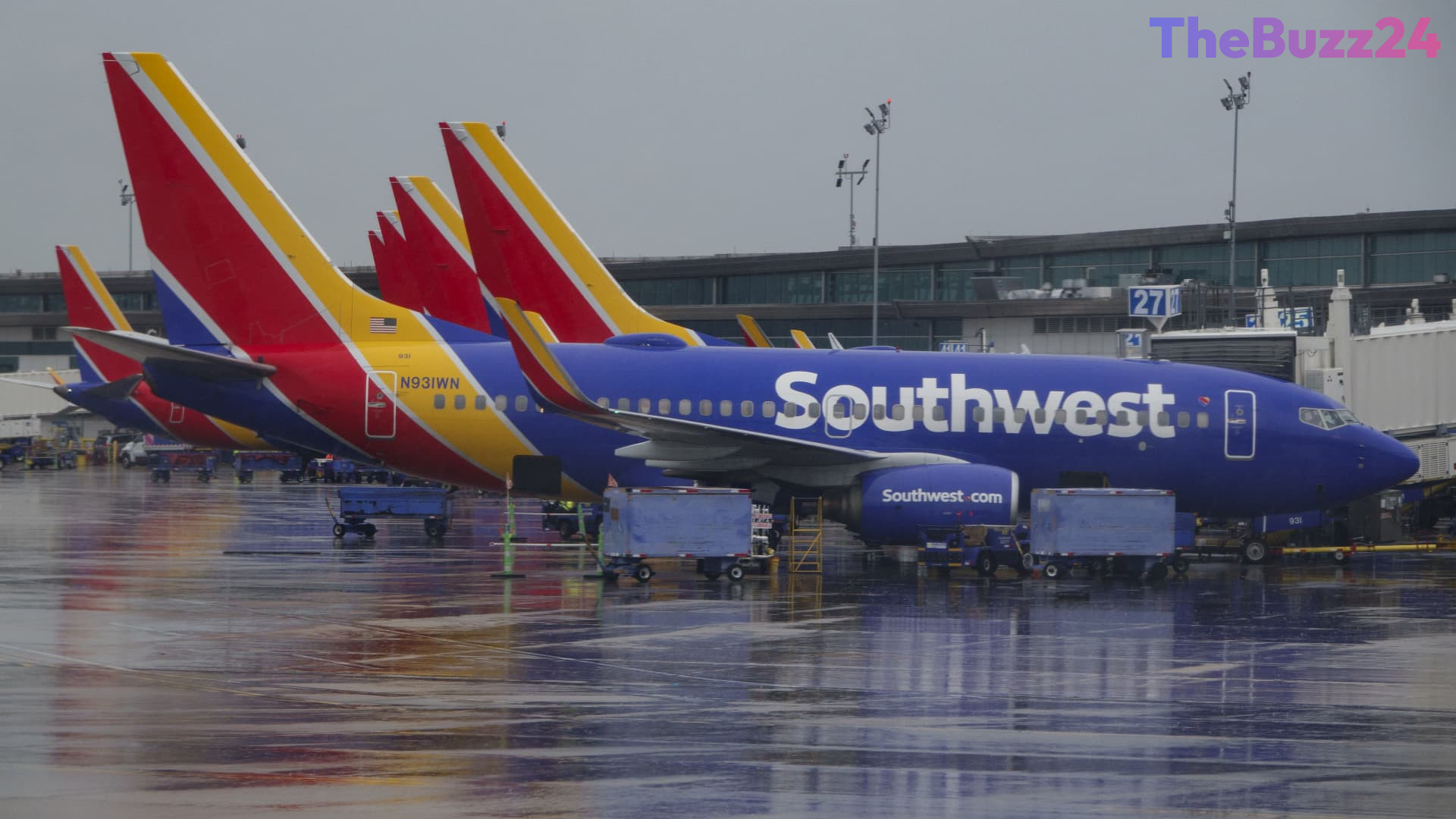
Southwest Airlines Delivers Strong Q2 Profit, But Rising Fuel Costs Pressures Summer Outlook
Southwest Airlines experienced a notable surge in second-quarter profitability, driven by robust ticket sales and rising airfares that helped offset mounting operational expenses. Despite a solid performance in the previous quarter, the carrier issued a third-quarter earnings forecast that failed to meet broader market expectations as fuel expenditures climbed significantly.
For the upcoming period, the Dallas-based carrier projects adjusted earnings to range between 50 cents and 75 cents per share, falling short of the consensus estimates anticipated by market analysts. This cautious outlook persists even as the company projects a substantial sales increase of up to 19.5% compared to the previous year. To manage capacity effectively, Southwest intends to keep its operations flat or slightly contracted by up to 1% during the third quarter.
The broader airline industry continues to grapple with volatile fuel expenses, prompting carriers to maintain elevated fare structures. Southwest reported that its average one-way ticket prices jumped by nearly 21% to $225.61. Alongside fare adjustments, the airline has actively modernized its operational framework by phasing out traditional business models, such as open seating and complimentary checked bags, while introducing basic economy options to capture a wider demographic of business travelers.
Financially, the company posted a 16.4% rise in quarterly revenue reaching $8.4 billion, while net income climbed 9.4% to $233 million. However, these gains were heavily counterbalanced by a dramatic 67% increase in quarterly fuel costs, which surged to $2.22 billion, underscoring the ongoing financial pressures facing commercial aviation operators.
Key Takeaways
- Southwest Airlines reported a 9% increase in second-quarter profit, backed by a 16.4% jump in revenue to $8.4 billion.
- Third-quarter adjusted earnings are forecasted between 50 and 75 cents, missing Wall Street's expectation of 82 cents.
- Rising fuel costs, which spiked 67% to $2.22 billion, continue to pressure profit margins despite a nearly 21% increase in average one-way fares.
Editor’s Analysis & Impact
The financial trajectory of Southwest Airlines highlights the delicate balancing act commercial carriers face in the post-pandemic travel era. While sustained consumer demand and higher ticket prices have successfully driven top-line revenue growth, persistent volatility in jet fuel prices and broader inflationary pressures threaten profit margins. Southwest’s strategic departure from its historic business model—abandoning open seating and free checked bags—signals a pragmatic shift toward ancillary revenue generation and corporate travel acquisition. Moving forward, the airline’s ability to successfully integrate these operational changes while navigating unpredictable energy markets will dictate its capacity to meet long-term financial targets and restore investor confidence.
Frequently Asked Questions
Q: Why did Southwest Airlines miss its third-quarter earnings forecast?
A: The shortfall is primarily attributed to rapidly rising fuel bills and operational cost pressures, which overshadowed strong passenger demand and increased revenue projections.
Q: How have ticket prices changed for Southwest passengers?
A: Average one-way fares rose nearly 21% to $225.61 compared to the previous year, as the airline utilizes higher pricing to offset growing operational expenses.
Q: What structural changes has Southwest made to its business model?
A: In recent years, the airline has ended open-seating, introduced basic economy fares, placed expiration dates on flight credits, and discontinued its long-standing policy of allowing two free checked bags.
AI Disclosure: This article is based on verified data and official reports. Our Team and AI have cross-referenced every financial detail with primary sources to ensure total accuracy.
More from this Category