SpaceX Aborts Starship V3 Launch After Engine Glitch, Sending Shares Below IPO Price
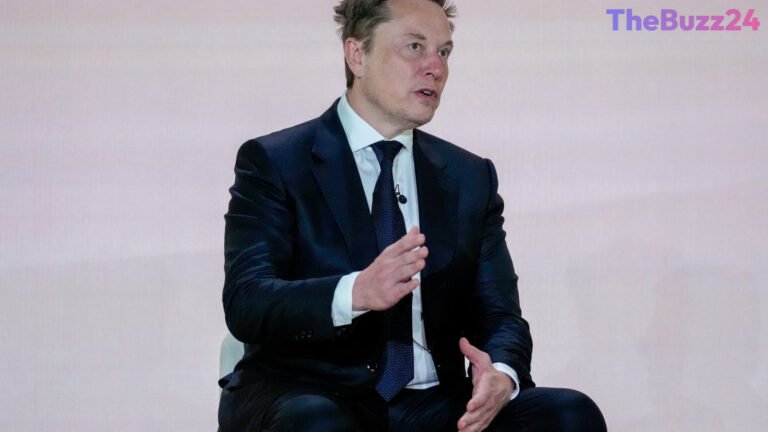
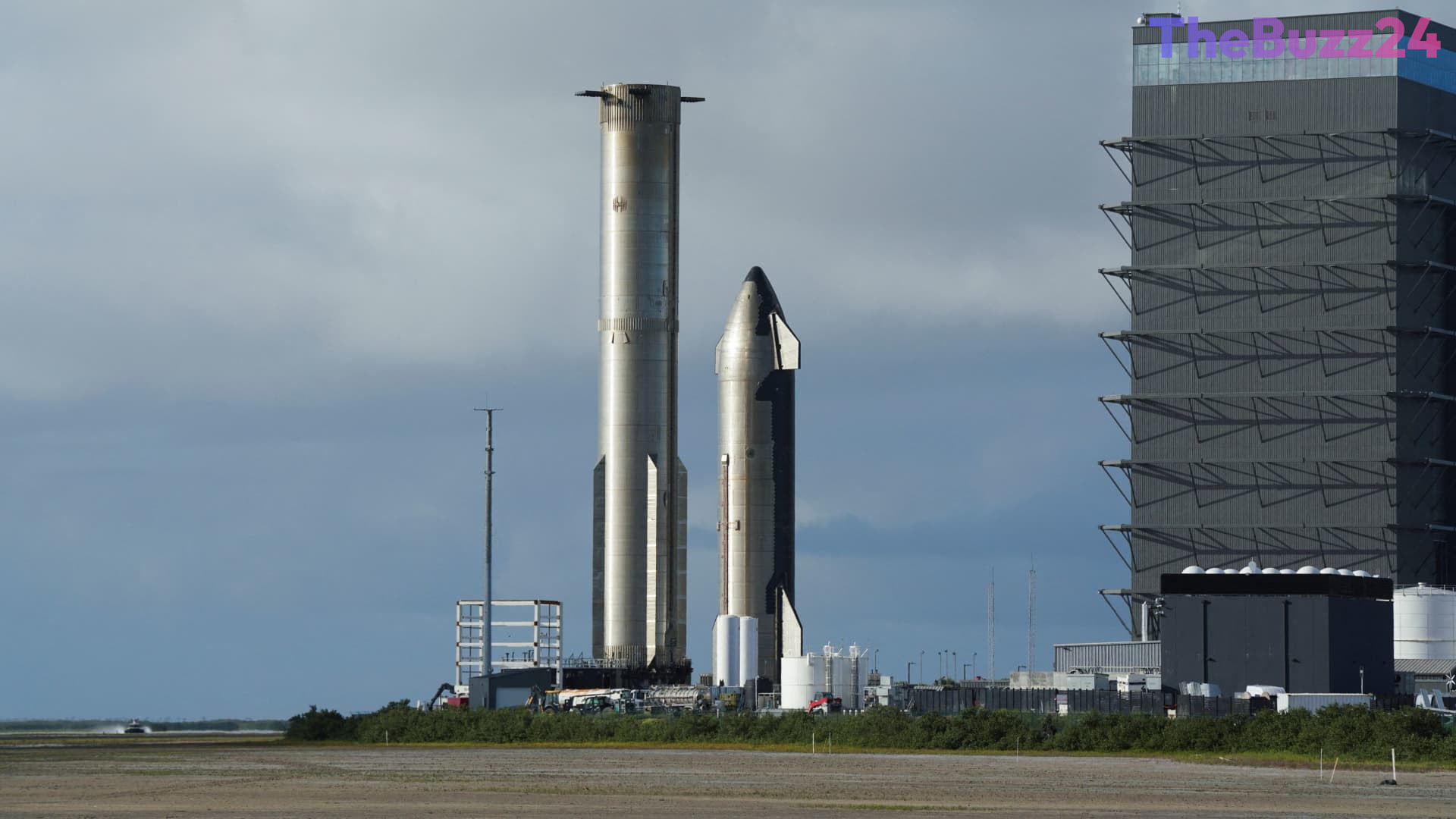
SpaceX experienced a setback on Thursday evening when it was forced to abort the highly anticipated test flight of its massive Starship V3 rocket. The launch, scheduled from the company’s Starbase facility in South Texas, was halted just moments before liftoff due to an automatic abort sequence. Chief Executive Elon Musk later confirmed that the launch was scrubbed because several Raptor engines failed to start properly, necessitating the replacement of two engines before another attempt can be made, likely early next week.
The delay immediately impacted the financial markets, where SpaceX’s recently listed stock fell more than 3% in after-hours trading, closing at $131.11. This decline pushes the stock further below its historic $135 initial public offering price, marking a five-day losing streak for the space exploration giant. The company’s June IPO was a record-breaking event, raising $85.7 billion, but the stock has faced volatility as investors closely monitor the technical milestones of its flagship launch vehicle.
This aborted flight was intended to be the second test of the upgraded Starship V3. A previous test in May encountered issues when the Super Heavy booster failed to reignite its engines during descent, leading to a crash in the Gulf of Mexico. Following an investigation mandated by the Federal Aviation Administration (FAA), which blamed the mishap on thermal effects and incorrect engine alarm settings, SpaceX implemented hardware and software updates and received clearance to fly again earlier this week.
The primary objective of the postponed mission was to deploy 20 next-generation Starlink satellites to bolster SpaceX’s global internet constellation. Beyond satellite deployment, the success of the Starship program is critical for broader space exploration goals, including NASA’s Artemis program, which relies on Starship to land astronauts back on the moon. Investors and space enthusiasts alike are now looking toward the rescheduled launch window next week to see if the aerospace pioneer can overcome these technical hurdles.
Key Takeaways
- SpaceX aborted the Starship V3 test flight due to an automatic engine startup failure, requiring the replacement of two Raptor engines.
- Following the scrubbed launch, SpaceX stock fell over 3% to $131.11, sliding further below its recent $135 IPO price.
- The mission is highly critical for both expanding the Starlink satellite network and fulfilling NASA's Artemis lunar landing contracts.
Editor’s Analysis & Impact
The recent launch abort highlights the high-stakes environment SpaceX navigates as a newly public company. While technical delays are common in aerospace development, the immediate negative reaction in the stock market underscores the intense scrutiny SpaceX now faces from public investors. Unlike its days as a private entity where test failures were viewed simply as iterative learning steps, SpaceX must now balance its ‘fail fast, learn faster’ philosophy with the expectations of Wall Street. The Starship V3 is the linchpin for SpaceX’s long-term valuation, directly tied to the commercial scaling of Starlink and lucrative government contracts like NASA’s Artemis program. Any prolonged delays in proving Starship’s reliability could dampen investor enthusiasm and pressure the stock further below its landmark $135 IPO price. However, if the rescheduled launch next week succeeds, it could quickly restore market confidence.
Frequently Asked Questions
Q: Why was the SpaceX Starship launch aborted?
A: The launch was automatically aborted because some of the Raptor engines failed to start during the ignition sequence. Elon Musk stated that two engines will be replaced before the next attempt.
Q: How did the market react to the aborted launch?
A: SpaceX shares fell over 3% in extended trading, dropping to $131.11, which is below its initial public offering (IPO) price of $135.
Q: What was the objective of this Starship V3 mission?
A: The mission aimed to test the upgraded Starship V3 rocket and deploy 20 next-generation Starlink satellites into orbit to expand SpaceX's satellite internet constellation.
AI Disclosure: This article is based on verified data and official reports. Our Team and AI have cross-referenced every financial detail with primary sources to ensure total accuracy.
More from this Category