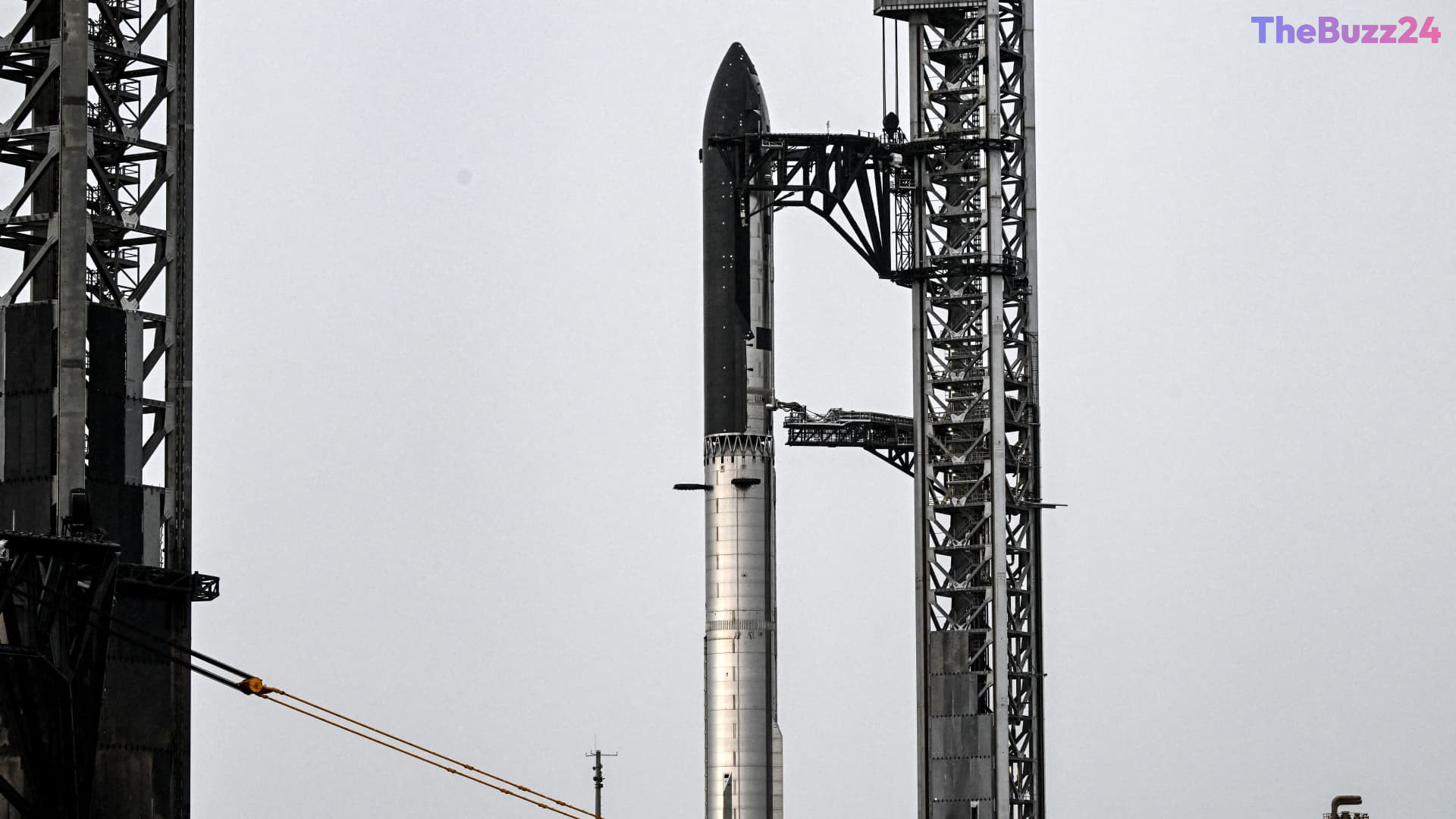
SpaceX Reschedules Starship V3 Debut Amid Growing IPO Anticipation
SpaceX has officially pushed back the highly anticipated 12th test flight of its Starship rocket, moving the launch from Thursday evening to Friday. The mission is set to launch from the company’s Starbase facility in Texas, where teams are preparing to debut the advanced Starship V3 vehicle. This launch is viewed as a pivotal moment for the aerospace giant as it continues to build momentum toward a potential public market debut.
The Starship V3 iteration marks a major engineering advancement, boasting the capacity to transport 100 metric tons into orbit while maintaining full reusability. This technical milestone is essential to the company’s long-term operational strategy, which focuses on increasing launch frequency to support the expansion of the Starlink satellite constellation. With over $15 billion invested in the Starship program to date, the vehicle serves as the primary engine for the company’s future revenue growth and profitability.
Beyond its commercial applications, the upcoming test flight is critical for validating the rocket’s performance under operational conditions, as it will carry mock Starlink satellites into orbit. The success of this mission is vital for both immediate commercial goals and long-term exploration objectives, including NASA’s Artemis IV lunar mission and broader ambitions for Mars colonization. As the company prepares for this flight, the aerospace industry is closely watching to see if the V3 can deliver on its promise of revolutionizing heavy-lift launch capabilities.
Key Takeaways
- SpaceX has rescheduled the debut of its Starship V3 rocket to Friday following a brief delay.
- The Starship V3 is designed for full reusability and a 100-metric-ton payload capacity, essential for scaling the Starlink network.
- The test flight is a critical demonstration for investors as SpaceX continues to prepare for a potential IPO.
Editor’s Analysis & Impact
The delay of the Starship V3 test flight underscores the inherent complexities of rapid aerospace development, yet it does little to dampen the broader market enthusiasm surrounding SpaceX. As the company moves closer to a potential public offering, the Starship program has transitioned from a speculative R&D project to a fundamental pillar of its valuation. By proving the viability of a fully reusable, heavy-lift vehicle, SpaceX is effectively positioning itself to dominate the launch market and secure long-term government and commercial contracts. The successful deployment of this technology will likely serve as a primary catalyst for investor confidence, validating the massive capital expenditure invested to date. Looking ahead, the integration of Starship into NASA’s Artemis program and the continued scaling of Starlink will be the key metrics determining the company’s long-term financial trajectory and market dominance.
Frequently Asked Questions
Q: What is the primary goal of the Starship V3 test flight?
A: The primary goal is to demonstrate the vehicle's performance under operational conditions, specifically its ability to carry 100 metric tons into orbit while maintaining full reusability.
Q: How does the Starship program impact SpaceX's financial outlook?
A: The Starship program is central to SpaceX's revenue strategy, as it enables higher launch frequencies for the Starlink satellite constellation and positions the company for lucrative government contracts like the Artemis lunar mission.
AI Disclosure: This article is based on verified data and official reports. Our Team and AI have cross-referenced every financial detail with primary sources to ensure total accuracy.
More from this Category