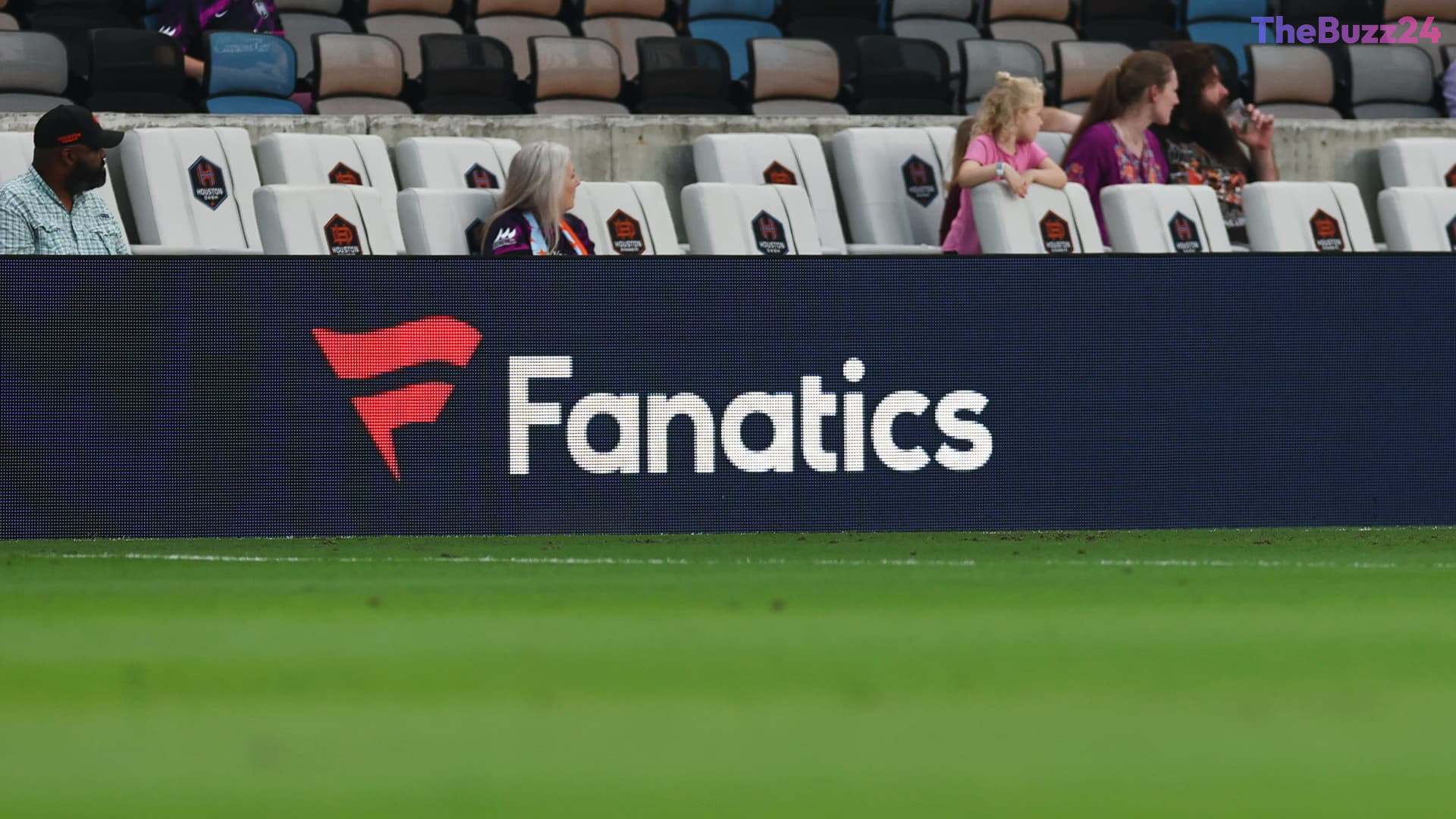
Fanatics Under Fire: Antitrust Concerns Mount as Sports Collectibles Giant Consolidates Power
Fanatics is currently facing intense scrutiny as it continues to aggressively expand its footprint across the $100 billion global sports collectibles market. The company recently solidified its long-term influence by securing exclusive licensing rights for FIFA World Cup collectibles, a deal slated to begin in 2031. This latest move is part of a broader strategy that has seen the firm gain near-total control over major professional leagues, including the NFL, NBA, and MLB. By integrating established industry staples like Topps into its portfolio, Fanatics has fundamentally reshaped the landscape of sports memorabilia.
Central to the company’s growth is a focus on high-value, tech-driven products, such as the introduction of “debut patches”—rare, one-of-one trading cards featuring authentic game-worn jersey pieces. While supporters of the company suggest these innovations modernize the hobby and increase fan engagement, the rapid consolidation has drawn sharp criticism from industry watchdogs. Concerns are mounting that the company’s dominant market position is stifling competition, potentially leading to inflated prices and a lack of variety for collectors who were accustomed to a more fragmented and diverse marketplace.
These tensions have now spilled into the courtroom, with long-time competitor Panini America filing an antitrust lawsuit against Fanatics. The legal challenge alleges that the company has engaged in monopolistic practices designed to systematically eliminate rivals. Fanatics has publicly rejected these accusations, labeling the lawsuit as a meritless reaction from a competitor struggling to keep pace with modern innovation. As the legal battle unfolds, the industry remains split between those who view Fanatics as a necessary force for modernization and those who fear that the erosion of competition will ultimately alienate the hobbyists and families who have sustained the market for decades.
Key Takeaways
- Fanatics has secured exclusive licensing for FIFA World Cup collectibles starting in 2031, further cementing its dominance over major sports leagues.
- The company faces an antitrust lawsuit from competitor Panini America, which alleges monopolistic behavior and unfair market practices.
- Critics argue that Fanatics' rapid consolidation is reducing consumer choice and driving up prices, while the company maintains that its innovations are essential for the industry's future.
Editor’s Analysis & Impact
The rise of Fanatics represents a classic case of vertical integration transforming a legacy industry. By controlling the licensing, manufacturing, and distribution channels, the company has effectively created a ‘walled garden’ ecosystem. While this approach allows for high-tech product innovation and streamlined consumer experiences, it creates significant barriers to entry for smaller players. The outcome of the ongoing antitrust litigation will serve as a bellwether for the sports memorabilia sector; a ruling against Fanatics could force a restructuring of licensing agreements, whereas a victory would likely embolden the company to pursue further acquisitions. Ultimately, the industry is at a crossroads where the tension between corporate efficiency and market competition will dictate the future accessibility of sports collectibles for the average fan.
Frequently Asked Questions
Q: Why is Fanatics facing an antitrust lawsuit?
A: Fanatics is being sued by competitor Panini America, which alleges that the company has used its dominant market position and exclusive licensing deals to unfairly squeeze out rivals and monopolize the sports collectibles industry.
Q: What are 'debut patches' in the context of Fanatics' products?
A: Debut patches are high-value, one-of-one trading cards that incorporate authentic pieces of game-worn jerseys from professional athletes, representing the company's strategy to modernize and add exclusivity to the collectibles market.
AI Disclosure: This article is based on verified data and official reports. Our Team and AI have cross-referenced every financial detail with primary sources to ensure total accuracy.
More from this Category