SpaceX Deploys Next-Gen Starlink Satellites Despite Super Heavy Booster Explosion
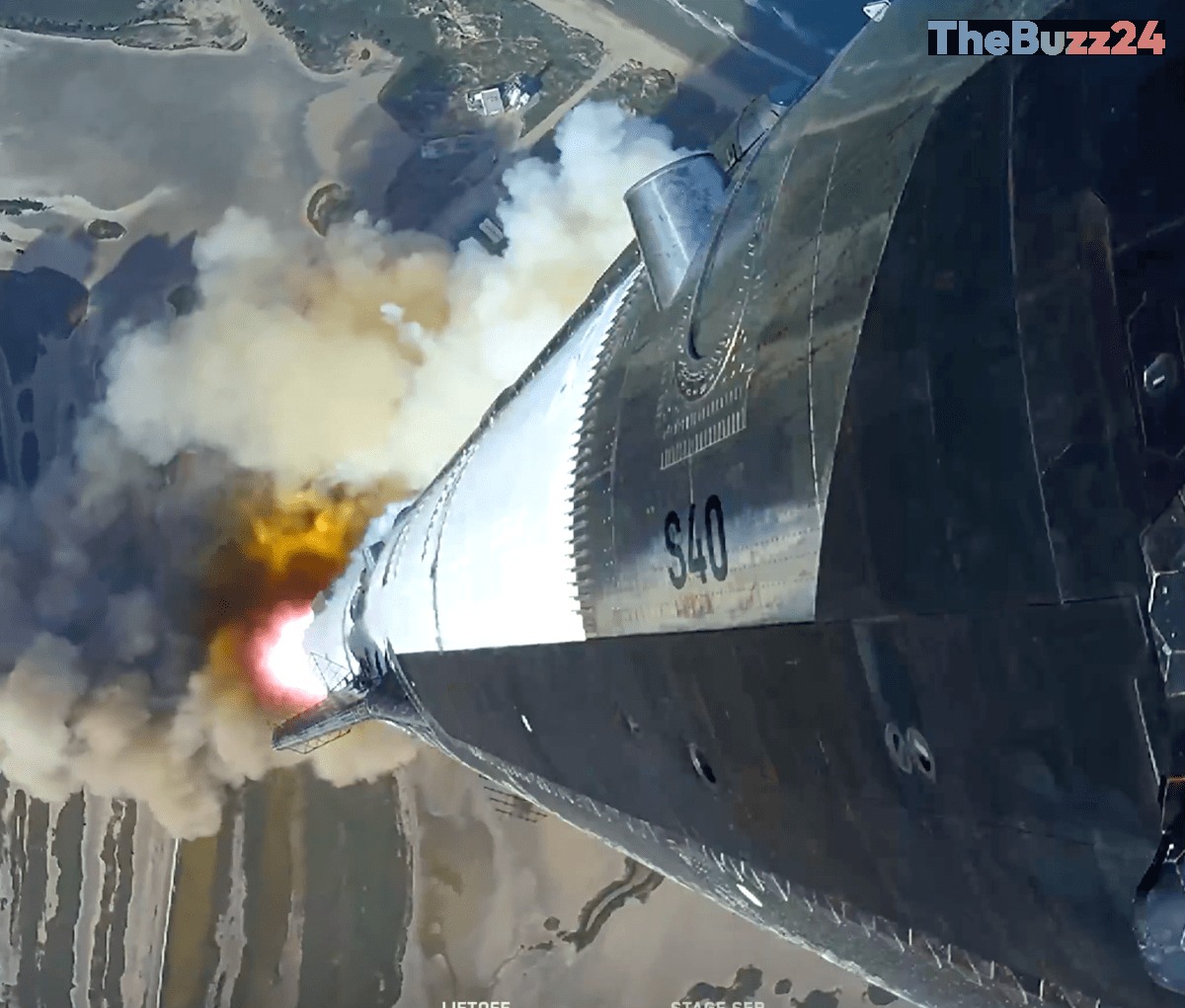
SpaceX achieved a significant operational milestone during its 13th Starship test flight by successfully deploying its upgraded, third-generation (V3) Starlink satellites into space. The launch utilized an enhanced prototype of the massive rocket system, demonstrating critical progress in expanding the company’s global satellite internet infrastructure. Ground controllers established successful communication with all deployed units before they naturally burned up in Earth’s atmosphere—a planned trajectory given that this iteration of Starship is not yet configured for full orbital insertion.
Despite the successful payload deployment, the mission experienced a major setback during the recovery phase of the Super Heavy booster. After separating from the upper stage, the booster attempted a controlled landing burn over the Gulf of Mexico. However, a failure to reignite all necessary engines resulted in a high-speed impact with the water and a subsequent explosion. This marks the second consecutive recovery issue for the Super Heavy booster on the V3 Starship configuration.
In contrast to the booster, the upper stage vehicle, known simply as the Ship, delivered a strong performance. After deploying its payload, the upper stage navigated the intense thermal and aerodynamic stress of atmospheric reentry before executing a controlled splashdown in the Indian Ocean. Unlike earlier test flights where the vehicle disintegrated upon water contact, the Ship remained intact, allowing engineers to utilize floating drones to inspect its belly thermal protection shield in detail.
The high-stakes test comes during a critical transition period for SpaceX following its record-breaking initial public offering. Wall Street continues to closely monitor the rocket builder’s aggressive developmental methodology. Achieving full reusability for both the upper stage and the Super Heavy booster remains vital for SpaceX to unlock the full bandwidth capacity and cost advantages promised by its next-generation Starlink constellation.
Key Takeaways
- SpaceX successfully deployed its first batch of next-generation V3 Starlink satellites during the 13th Starship test flight.
- The Super Heavy booster exploded in the Gulf of Mexico after failing to ignite all landing burn engines.
- The Starship upper stage completed reentry and landed softly in the Indian Ocean, remaining intact for heat shield inspection.
Editor’s Analysis & Impact
The mixed results of Starship’s 13th test flight highlight both the rapid evolution and persistent engineering hurdles of SpaceX’s flagship launch system. Deploying V3 Starlink satellites represents a huge leap forward in commercial satellite capabilities, boasting up to a twenty-fold increase in network capacity over Falcon 9 launches. However, the financial and operational viability of this system hinges almost entirely on achieving complete rocket reusability. With SpaceX now navigating life as a public company, public market investors are scrutinizing every technical misstep. Until the Super Heavy booster can reliably land and be reused, launch expenditures will remain elevated, potentially pacing the expansion rate and profit margins of the lucrative Starlink broadband network.
Frequently Asked Questions
Q: What caused the Super Heavy booster failure?
A: The Super Heavy booster failed to ignite all of the engines required to execute its planned landing burn, resulting in a faster-than-expected impact with the ocean and a subsequent explosion.
Q: Did the Starship upper stage survive its splashdown?
A: Yes, the Starship upper stage successfully survived atmospheric reentry and performed a soft landing in the Indian Ocean, remaining intact on the water surface for inspection.
Q: Why are V3 Starlink satellites important for SpaceX?
A: The third-generation Starlink satellites provide up to twenty times more downlink capacity than previous versions launched on Falcon 9 rockets, significantly boosting network speeds and economics.
AI Disclosure: This article is based on verified data and official reports. Our Team and AI have cross-referenced every financial detail with primary sources to ensure total accuracy.
More from this Category