SpaceX Dragon Returns to Earth Carrying Breakthrough Medical and Tech Research
A SpaceX Dragon spacecraft has successfully concluded its 34th commercial resupply mission, splashing down in the Pacific Ocean with a critical cargo of scientific samples and hardware from the International Space Station. This mission marks a significant milestone in space-based research, as scientists prepare to analyze materials that could revolutionize medical treatments and spacecraft engineering on Earth.
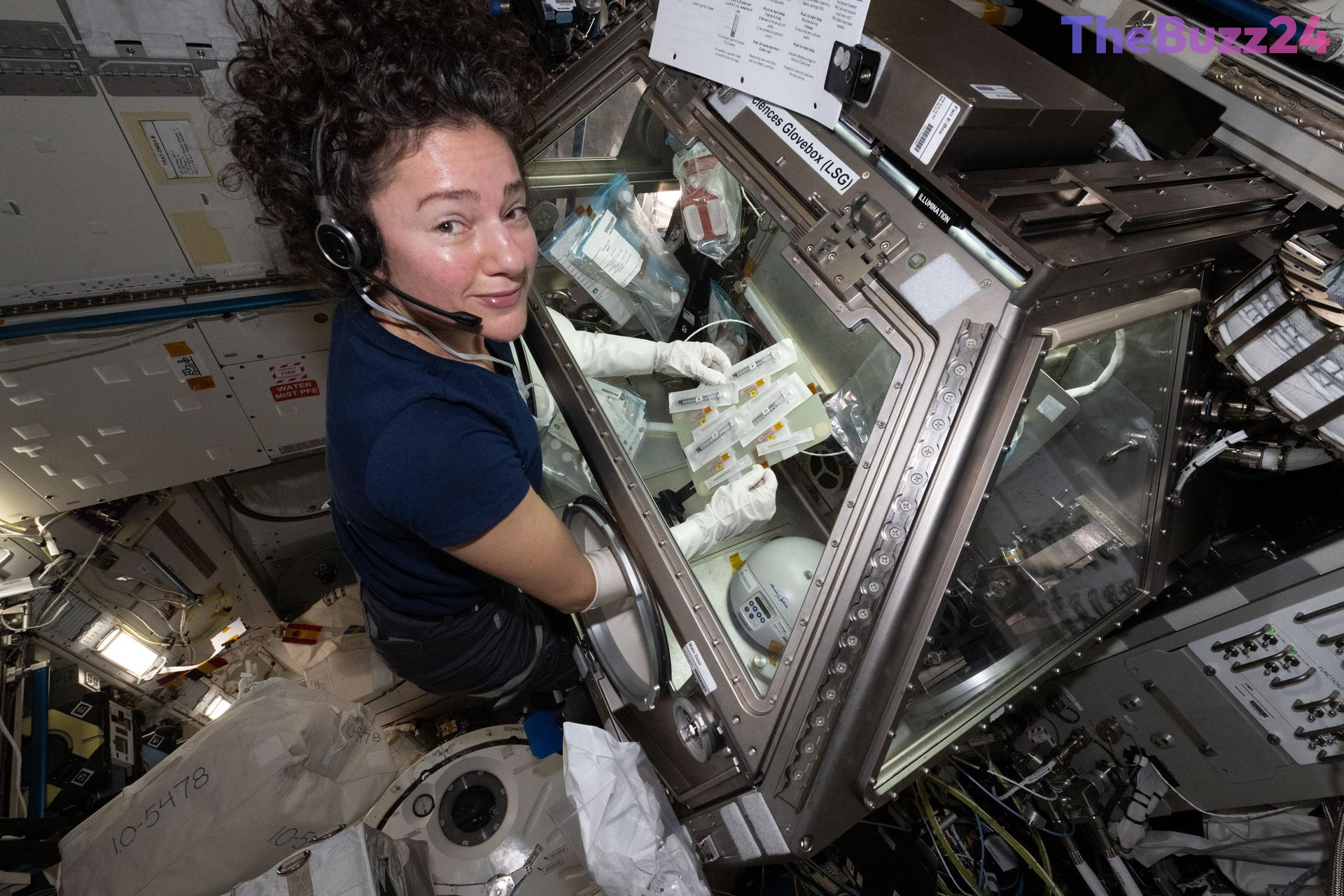
Among the most anticipated items returning are biological samples aimed at advancing human health. Researchers are examining stem cells grown in microgravity, which may offer a more effective way to produce blood cells for treating cancers and blood-related diseases. Additionally, the mission returned heart tissue samples exposed to pneumonia-causing bacteria, providing a unique look at cellular responses that are impossible to replicate in terrestrial laboratories. Other biological studies include bone marrow analogs and 3D-printed cartilage, both of which hold promise for improving orthopedic treatments and understanding the effects of aging on the human body.
Beyond medical breakthroughs, the mission returned hardware and data essential for future deep-space exploration. This includes fluid-physics data from the Zero Boil-Off Tank investigation, which aims to improve cryogenic fuel storage for long-duration missions, and semiconductor crystals manufactured in space. These crystals are expected to support the development of next-generation electronics, sensors, and lasers. By leveraging the unique environment of the space station, these experiments continue to provide insights that bridge the gap between orbital research and practical, life-saving applications for humanity.
Key Takeaways
- The SpaceX CRS-34 mission returned critical biological samples, including stem cells and 3D-printed tissues, to advance medical research on Earth.
- Data from the Zero Boil-Off Tank investigation will help engineers design more efficient cryogenic fuel systems for future long-duration space missions.
- Microgravity-manufactured semiconductor crystals and DNA-inspired cancer therapeutics are among the high-value research items currently undergoing post-flight analysis.
Editor’s Analysis & Impact
The successful return of the CRS-34 mission underscores the growing importance of the International Space Station as a high-tech laboratory for commercial and medical innovation. By utilizing microgravity, researchers are bypassing the physical limitations of Earth-based manufacturing, particularly in the fields of regenerative medicine and advanced materials science. The ability to scale up stem cell production and create high-quality semiconductor alloys in orbit represents a shift toward an ‘in-space economy’ where the unique environment is treated as a critical industrial asset. As NASA and private partners like SpaceX refine these logistics, the focus will likely shift from experimental proof-of-concept to the commercialization of space-manufactured goods, potentially disrupting traditional pharmaceutical and electronics supply chains over the next decade.
Frequently Asked Questions
Q: Why is microgravity better for growing stem cells?
A: In microgravity, stem cells can be grown in larger quantities and maintain their ability to differentiate into various cell types more effectively than they do in Earth-based laboratories, where they often lose these critical properties.
Q: What is the purpose of the Zero Boil-Off Tank investigation?
A: The investigation studies how cryogenic fuels behave in space to prevent evaporation and pressure issues, which is essential for designing efficient fuel storage systems for long-duration missions to the Moon, Mars, and beyond.
AI Disclosure: This article is based on verified data and official reports. Our Team and AI have cross-referenced every financial detail with primary sources to ensure total accuracy.
More from this Category