SpaceX Falcon 9 Launches Crew-13 to the International Space Station in Record Time
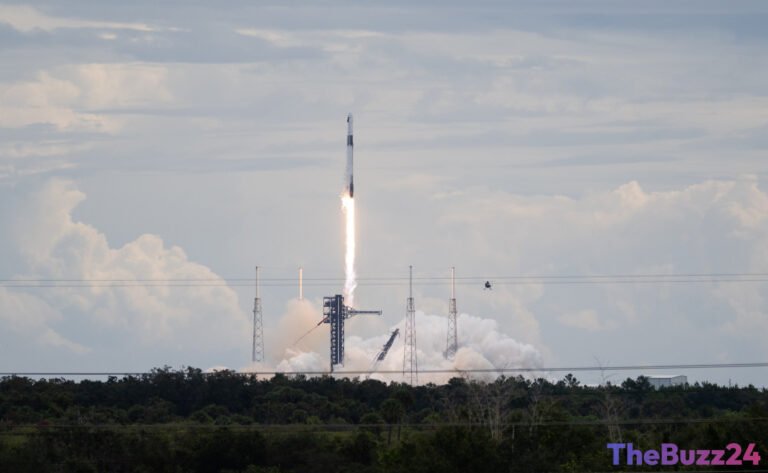
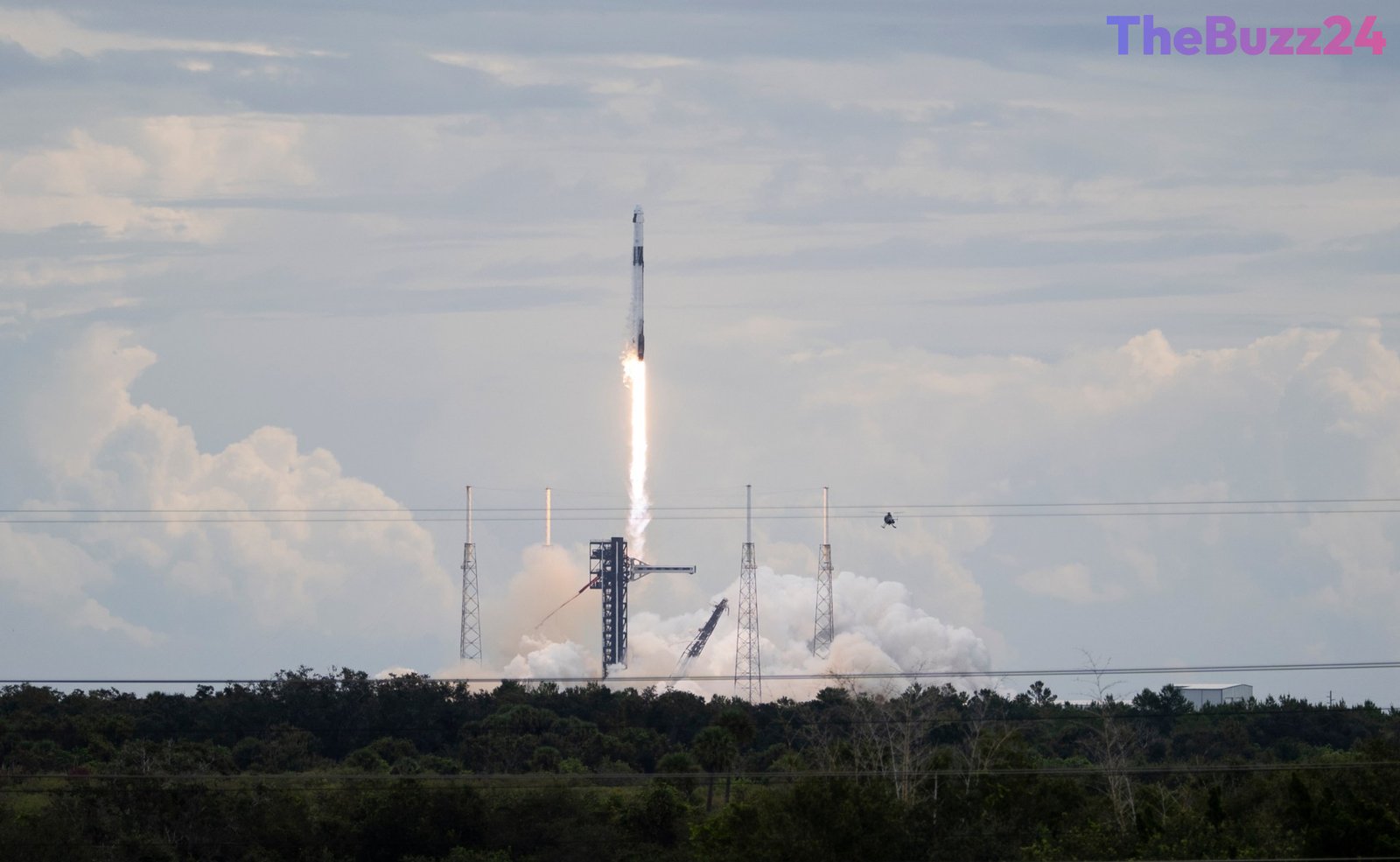
A multinational crew of four astronauts successfully blasted off toward the International Space Station aboard a SpaceX Falcon 9 rocket and Dragon spacecraft. Lifting off from Space Launch Complex 40 at Cape Canaveral Space Force Station in Florida, the mission marks another milestone in commercial spaceflight partnerships.
The diverse crew features NASA astronauts Jessica Watkins and Luke Delaney, alongside Canadian Space Agency astronaut Joshua Kutryk and Roscosmos cosmonaut Sergey Teteryatnikov. Following the successful morning liftoff, the Dragon spacecraft is slated for an autonomous docking procedure at the station’s Harmony module, setting a record for the fastest launch-to-docking timeline for a U.S. spacecraft in the history of the orbiting laboratory.
Upon arrival, the newly arrived team will integrate with the existing Expedition 75 crew for a brief handover before the previous Crew-12 team departs for Earth. During their extensive stay aboard the station, the Crew-13 members will spearhead critical scientific investigations, including cultivating human stem cell-derived tissues in microgravity to advance personalized medicine and pharmaceutical testing for complex disorders like Parkinson’s disease.
Additionally, the team will experiment with novel autonomous agricultural systems to study crop production in space and evaluate advanced diagnostic tools designed to monitor astronaut health. These ongoing endeavors form a vital part of the broader framework aimed at refining deep-space exploration techniques for upcoming missions to the Moon and Mars.
Key Takeaways
- A SpaceX Falcon 9 successfully launched the Crew-13 mission carrying four astronauts from NASA, CSA, and Roscosmos.
- The mission achieved a record-breaking fast launch-to-docking timeline for a U.S. spacecraft at the International Space Station.
- Crew-13 will focus on cutting-edge research, including microgravity-grown stem cell tissues and autonomous plant growth systems.
Editor’s Analysis & Impact
The successful launch of SpaceX’s Crew-13 highlights the maturation and reliability of commercial crewed spaceflight. By consistently executing complex orbital logistics and rapid docking procedures, private aerospace partnerships are solidifying low Earth orbit as a permanent hub for commercial and scientific innovation. The shift toward advanced microgravity research—ranging from personalized medicine via stem cell generation to autonomous agricultural testing—demonstrates that the International Space Station is increasingly functioning as an applied laboratory for terrestrial and deep-space benefits. As space agencies look toward sustained lunar habitation and eventual Martian expeditions, the operational frameworks validated by missions like Crew-13 will serve as the indispensable blueprint for future interplanetary exploration.
Frequently Asked Questions
Q: Who is onboard the SpaceX Crew-13 mission?
A: The Crew-13 mission includes NASA astronauts Jessica Watkins and Luke Delaney, Canadian Space Agency astronaut Joshua Kutryk, and Roscosmos cosmonaut Sergey Teteryatnikov.
Q: What are the primary research goals of Crew-13?
A: The crew will focus on producing human stem cell-derived tissues for medical research, testing autonomous crop production systems, and evaluating new inflight health diagnostic tools.
Q: Which rocket and spacecraft were used for the launch?
A: The mission utilized a SpaceX Falcon 9 rocket and the company's Dragon spacecraft, launching from Cape Canaveral Space Force Station in Florida.
AI Disclosure: This article is based on verified data and official reports. Our Team and AI have cross-referenced every financial detail with primary sources to ensure total accuracy.
More from this Category