SpaceX IPO Ambitions Hit Snag as S&P 500 Rejects Rule Changes
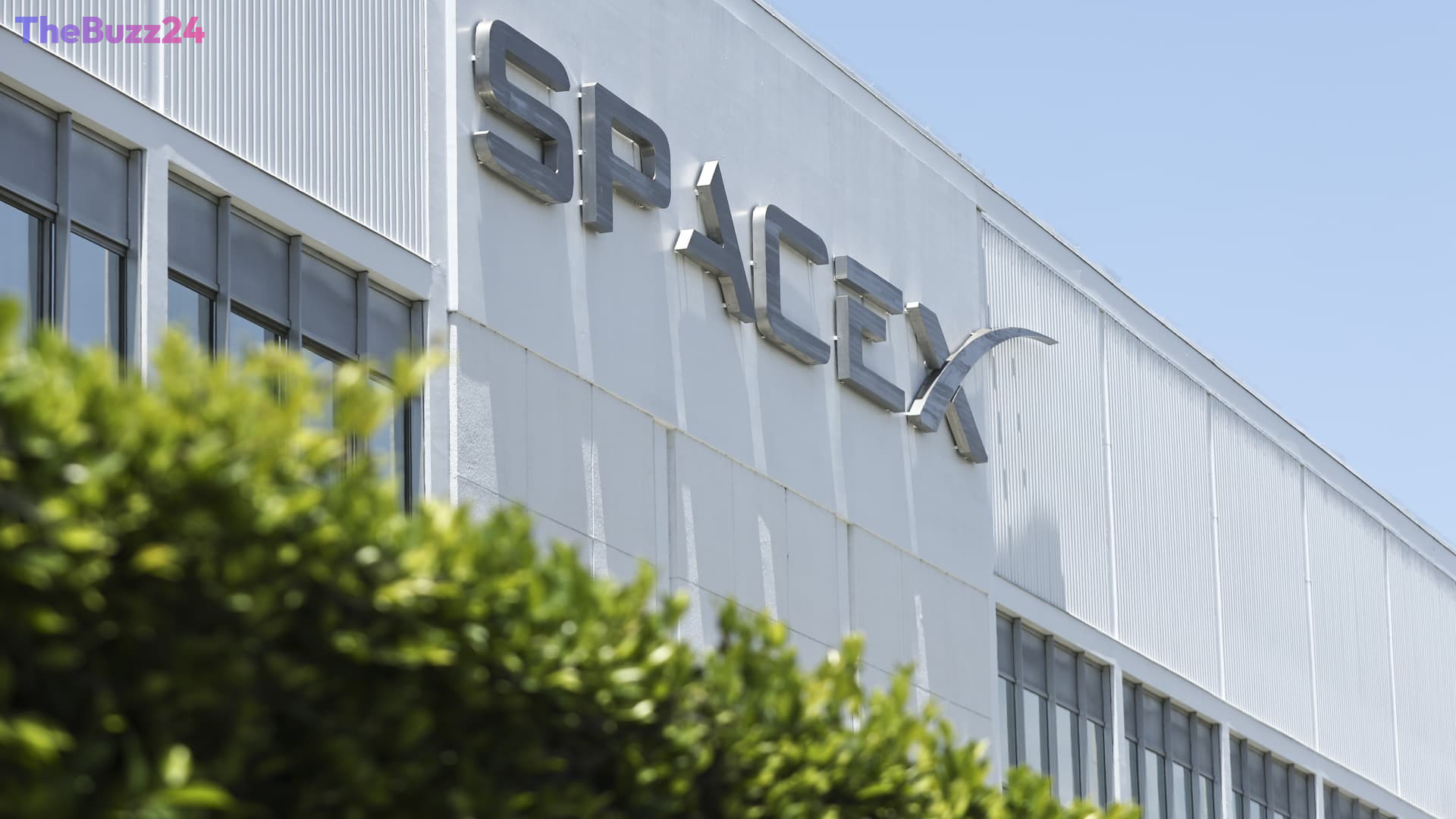
SpaceX’s aspirations for a rapid inclusion into the prestigious S&P 500 index have been met with a significant hurdle, as S&P Global has reaffirmed its existing entry requirements. The decision effectively blocks the aerospace giant, led by Elon Musk, from a swift debut in the benchmark index, despite its monumental planned initial public offering (IPO).
SpaceX, aiming for a staggering $75 billion capital raise and a valuation of $1.75 trillion, has sought to redefine IPO norms. This includes prioritizing retail investor allocations and pushing for early index inclusion. However, S&P Global has stated that exceptions to financial viability, seasoning, and investable weight factor (IWF) requirements will not be granted based solely on market capitalization. To qualify for the S&P 500, companies must demonstrate profitability in their most recent quarter and over the preceding four quarters, a standard SpaceX, which reported a $4.94 billion net loss in 2025 despite a 33% revenue increase, does not currently meet.
While S&P Global has indicated it will modify entry rules for its broader S&P Total Market Index and Dow Jones U.S. Total Stock Market Index, creating a pathway for SpaceX into these less prominent benchmarks, the S&P 500 remains out of reach for now. This ruling contrasts with Nasdaq, which has already adjusted its rules to facilitate the entry of companies like SpaceX and AI firm Anthropic into its Nasdaq 100 index. The move by S&P underscores a commitment to its established methodology, even as exchange operators globally seek to attract more listings amidst a declining number of U.S.-listed companies.
Key Takeaways
- S&P Global has maintained its existing rules for S&P 500 index inclusion, preventing SpaceX from an immediate entry.
- SpaceX's significant IPO plans and high valuation were insufficient to warrant an exception to S&P's profitability and seasoning requirements.
- While excluded from the S&P 500, SpaceX may still be eligible for inclusion in broader S&P market indices and has already seen rule adjustments on Nasdaq.
- The decision highlights S&P's adherence to its established, rules-based methodology for index composition.
Editor’s Analysis & Impact
S&P Global’s decision to uphold its stringent entry criteria for the S&P 500 index presents a notable setback for SpaceX’s IPO strategy. While the company’s immense scale and valuation are undeniable, S&P’s adherence to profitability and seasoning requirements signals a commitment to the integrity of its benchmark. This ruling could influence how other major indices approach the inclusion of large, privately held companies nearing public offerings. The contrast with Nasdaq’s more flexible approach highlights a divergence in index provider strategies. For investors, this means that while SpaceX’s potential inclusion in the S&P 500 is delayed, its eventual entry into other indices like the Nasdaq 100 could still drive significant market activity.
Frequently Asked Questions
Q: Why can't SpaceX join the S&P 500 index immediately?
A: SpaceX cannot join the S&P 500 index immediately because it does not meet S&P's established criteria, which include being profitable in its most recent quarter and over the sum of its most recent four quarters. SpaceX reported a net loss in 2025.
Q: What are the general requirements for S&P 500 inclusion?
A: Key requirements for inclusion in the S&P 500 index include being a U.S. company, having a market capitalization of at least $15.1 billion, being profitable under Generally Accepted Accounting Principles (GAAP) in its most recent quarter and for the sum of its most recent four quarters, and having a minimum percentage of its shares available for public trading (investable weight factor).
Q: Will SpaceX be able to join any S&P indices?
A: Yes, S&P Global has stated it will modify entry rules for its broader S&P Total Market Index and Dow Jones U.S. Total Stock Market Index, creating a pathway for SpaceX to join these less widely followed indices.
AI Disclosure: This article is based on verified data and official reports. Our Team and AI have cross-referenced every financial detail with primary sources to ensure total accuracy.
More from this Category