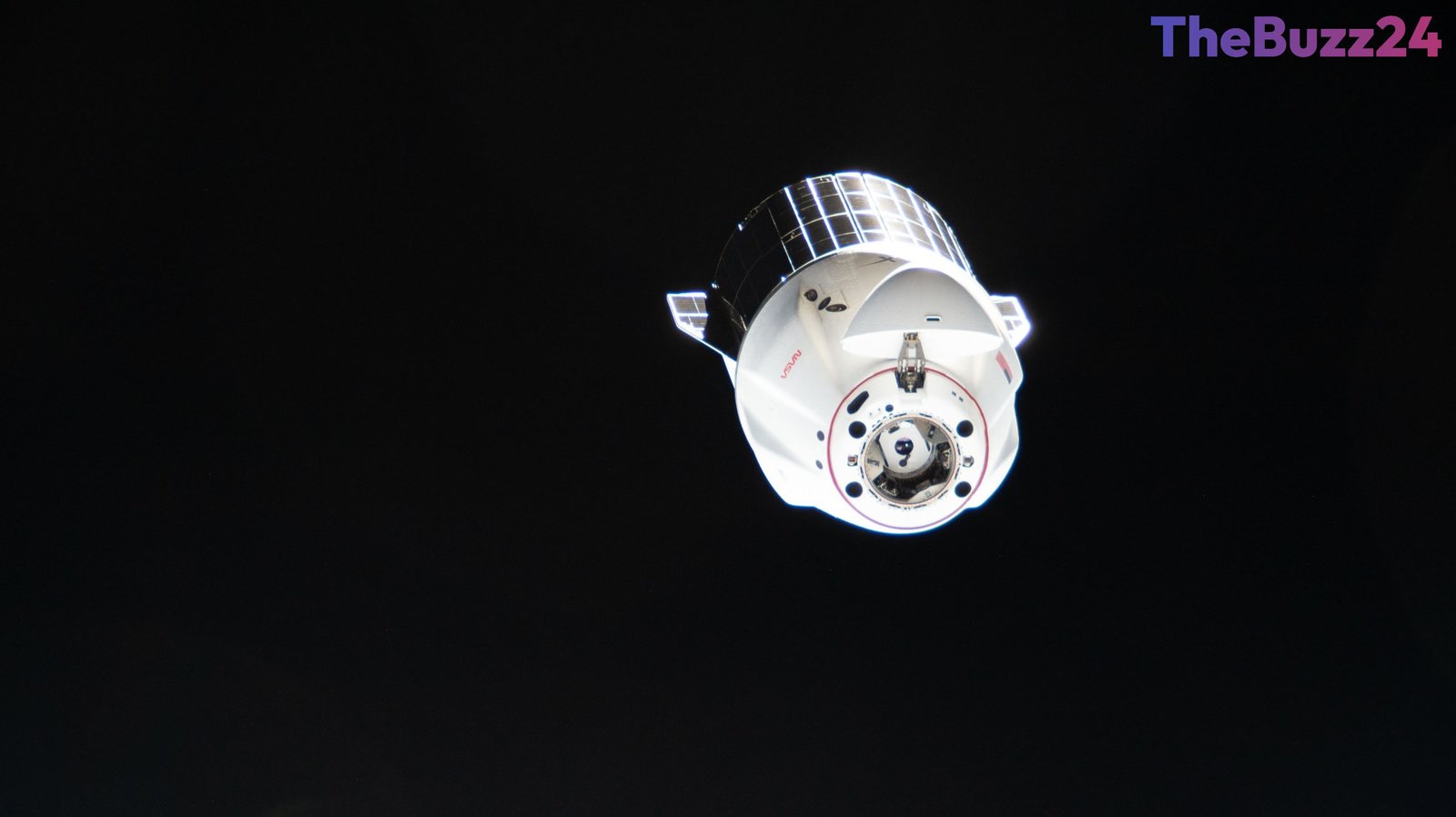
SpaceX Prepares 35th Resupply Mission to Deliver Vital Science and Solar Upgrades to Orbital Laboratory
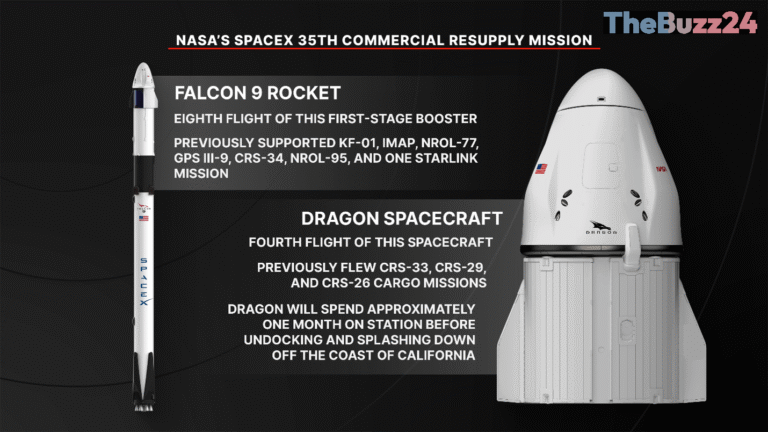
Preparations are in their final stages for SpaceX’s 35th commercial resupply services mission to the International Space Station. Liftoff is scheduled from Space Launch Complex 40 at Florida’s Cape Canaveral Space Force Station, where a Falcon 9 rocket will propel a cargo Dragon capsule into low Earth orbit. The uncrewed spacecraft will ferry more than 6,300 pounds of vital supplies, advanced hardware, and cutting-edge research payloads directly to the orbiting laboratory.
Among the mission’s primary cargo items is the final scheduled pair of International Space Station Roll-Out Solar Arrays (IROSA). Once installed, these flexible solar arrays will complete a comprehensive multi-year upgrade designed to augment the station’s primary power generation capabilities, ensuring sufficient energy to support expanded scientific operations and commercial activities aboard the outpost for the remainder of its operational lifespan.
Beyond critical infrastructure, the Dragon capsule is loaded with groundbreaking biomedical and material science investigations. Key experiments include specialized manufacturing hardware designed to construct artificial retinas in microgravity to treat visual impairment back on Earth, as well as three-dimensional heart tissue models aimed at accelerating drug discovery. Researchers are also dispatching brain organoids to investigate cellular mechanisms related to neurodegenerative diseases like Alzheimer’s and Parkinson’s, alongside industrial experiments exploring exotic glass manufacturing that benefits from weightlessness.
Following its autonomous rendezvous and docking at the Harmony module’s zenith port, Dragon will spend approximately one month berthed at the station. In mid-November, the spacecraft will detach, pack completed orbital experiments and critical return cargo, and reenter the atmosphere to conduct a controlled parachute splashdown off the coast of California.
Key Takeaways
- SpaceX is launching its 35th commercial resupply flight delivering over 6,300 pounds of research, cargo, and infrastructure to the ISS.
- The manifest includes the final set of Roll-Out Solar Arrays (IROSA) alongside high-value medical studies targeting vision restoration and neurodegenerative disorders.
- The Dragon capsule will remain docked for roughly a month before returning time-sensitive experimental samples via a splashdown off the California coast.
Editor’s Analysis & Impact
The 35th SpaceX resupply flight underscores the sustained tempo and maturation of commercial space logistics in low Earth orbit. By delivering the final set of IROSA units, this mission ensures the International Space Station can meet escalating electrical power demands driven by power-hungry commercial modules and science racks. Furthermore, the payload composition signals a notable shift toward in-space manufacturing and translational medical research. Developing optical implants, biomanufactured tissues, and advanced materials in microgravity proves that orbital platforms provide tangible, high-value returns for terrestrial healthcare and technology sectors. As NASA and international partners look ahead toward transitioning LEO operations to private commercial space stations, routine cargo runs operated by SpaceX remain the critical backbone supporting this growing extraterrestrial economy.
Frequently Asked Questions
Q: What is the primary objective of the SpaceX CRS-35 mission?
A: The mission aims to transport more than 6,300 pounds of food, crew supplies, cutting-edge microgravity research investigations, and the final set of International Space Station Roll-Out Solar Arrays (IROSA) to the orbiting laboratory.
Q: What medical research is being sent to the space station?
A: Payloads include hardware for manufacturing artificial retinas to treat blindness, 3D heart tissue constructs for pharmaceutical screening, and brain organoids designed to study neurodegenerative conditions such as Parkinson's and Alzheimer's disease.
Q: How will the Dragon capsule return to Earth after the mission?
A: After spending about a month attached to the space station, the Dragon capsule will undock loaded with completed scientific experiments and hardware, performing a deorbit burn to execute a parachute-assisted splashdown off the coast of California.
AI Disclosure: This article is based on verified data and official reports. Our Team and AI have cross-referenced every financial detail with primary sources to ensure total accuracy.
More from this Category