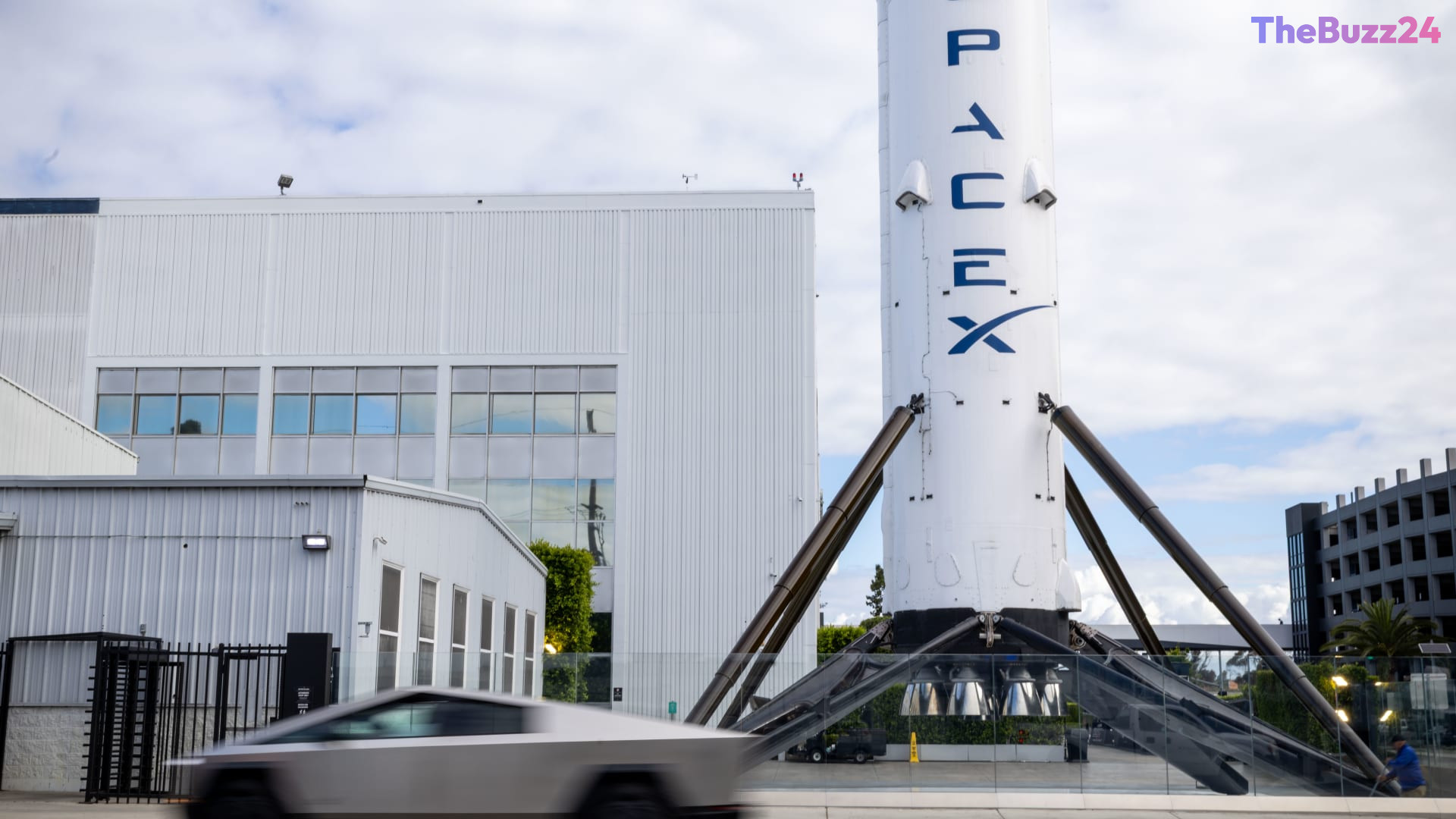
SpaceX Prepares for Historic $75 Billion Public Offering
SpaceX is reportedly laying the groundwork for a landmark initial public offering (IPO) that could reshape the landscape of the U.S. financial markets. The aerospace firm, led by Elon Musk, is targeting a capital raise of up to $75 billion, a figure that would shatter existing records for public debuts. If successful, this transition from a private entity to a publicly traded company would mark a significant milestone in the history of the aerospace and technology sectors.
In a departure from traditional IPO structures that typically favor institutional investors, SpaceX is exploring a strategy to democratize access to its shares. Current reports suggest that as much as 30% of the offering could be reserved for retail investors through digital brokerage platforms. This approach appears designed to capitalize on the widespread brand loyalty and investor enthusiasm surrounding Musk’s other ventures, such as Tesla, while simultaneously building a robust shareholder base for the company’s expanding portfolio, including the Starlink satellite network and the X social media platform.
Despite the excitement surrounding the potential listing, financial experts are urging caution. The IPO is expected to feature a relatively low ‘float’—the portion of shares available for immediate public trading—which could lead to significant price volatility in the days following the debut. Analysts warn that while the initial market reaction may be intense, the long-term viability of the stock will depend on the company’s ability to maintain consistent revenue growth and demonstrate fundamental financial strength.
Market professionals are advising potential investors to exercise patience and maintain a disciplined approach. Rather than rushing to participate in the initial offering, many suggest monitoring the stock’s performance in the aftermarket to gauge stability. As with any major market event, maintaining a diversified portfolio remains the recommended strategy for those looking to gain exposure to high-profile aerospace assets.
Key Takeaways
- SpaceX is planning a massive $75 billion IPO that would set a new record for U.S. market debuts.
- The company may allocate up to 30% of its shares to retail investors, diverging from the standard institutional-heavy IPO model.
- Analysts warn that a low initial float could trigger extreme price volatility, advising investors to prioritize long-term stability over short-term speculation.
Editor’s Analysis & Impact
The potential SpaceX IPO is a watershed moment for the aerospace industry and the broader equity markets. By targeting a $75 billion valuation, SpaceX is signaling its intent to transition from a venture-backed disruptor to a cornerstone of the public markets. The strategy to include retail investors is particularly noteworthy; it reflects a growing trend of leveraging brand equity to drive capital formation, similar to the ‘meme stock’ phenomenon but backed by tangible, high-growth infrastructure like Starlink. However, the inherent risks of a low-float IPO cannot be overstated. If the company fails to manage the volatility of its early trading days, it could face reputational challenges. Ultimately, the success of this offering will serve as a litmus test for whether private space exploration can sustain the rigorous financial demands of public shareholders.
Frequently Asked Questions
Q: What makes the rumored SpaceX IPO historically significant?
A: The IPO is significant because it aims to raise $75 billion, which would surpass the previous record held by Alibaba and become the largest public offering in U.S. history.
Q: Why is a 'low float' considered a risk for new investors?
A: A low float means only a small percentage of shares are available for trading. This scarcity can cause the stock price to swing wildly based on relatively small volumes of buying or selling, leading to high volatility.
Q: What is the strategic benefit of SpaceX offering shares to retail investors?
A: By opening the IPO to individual investors, SpaceX can foster a larger, more loyal community of shareholders who are also likely to be users of its services, such as Starlink, potentially mirroring the retail-driven success of Tesla.
AI Disclosure: This article is based on verified data and official reports. Our Team and AI have cross-referenced every financial detail with primary sources to ensure total accuracy.
More from this Category