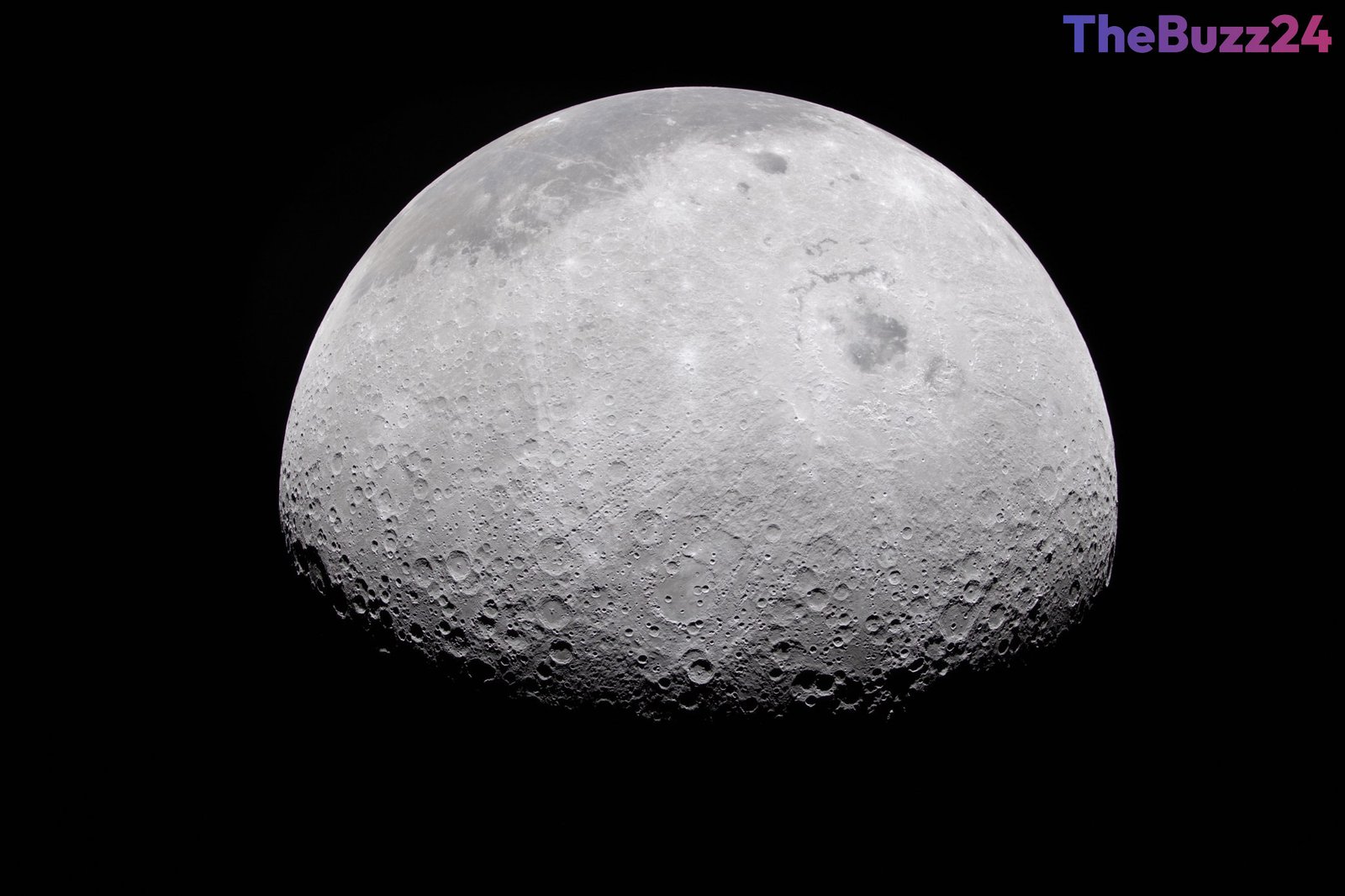
SpaceX Rocket Stage Set for Unplanned Lunar Impact, NASA Prepares for Scientific Observation
A used upper stage from a SpaceX Falcon 9 rocket is on an unexpected trajectory, projected to impact the Moon on Wednesday, August 5. The event, which poses no threat to Earth, is being closely monitored by NASA and SpaceX, with scientists planning to leverage the collision for valuable lunar data collection and to enhance techniques for tracking objects in space.
The rocket stage originated from a mission launched on January 15, 2025, by SpaceX, which successfully deployed Firefly Aerospace’s Blue Ghost 1 lunar lander as part of NASA’s Commercial Lunar Payload Services (CLPS) initiative. Following its deployment mission, solar activity and gravitational forces caused the upper stage to deviate from its intended path, leading to its current course towards the lunar surface. Independent astronomers initially identified the trajectory using publicly available data, a finding later confirmed by NASA’s Center for Near Earth Object Studies at the Jet Propulsion Laboratory, which verified a 100% probability of lunar impact.
While the Moon is regularly struck by natural meteoroids due to its lack of atmosphere, impacts from human-made objects are far less common. This particular event is expected to create a crater approximately 60 feet wide and 12 feet deep, ejecting dust and rock outwards. Scientists anticipate that observing this impact will provide crucial insights into how ejecta plumes behave, deepen understanding of the Moon’s geology, and help refine models essential for future lunar exploration and scientific missions.
Although the impact will not be visible to the naked eye from Earth, NASA is mobilizing various assets to observe it in real-time. The Meteoroid Environments Office at Marshall Space Flight Center will utilize ground-based telescopes, though viewing conditions may be challenging due to weather and lighting. Additionally, NASA’s Lunar Reconnaissance Orbiter and the ShadowCam instrument aboard South Korea’s Korea Pathfinder Lunar Orbiter will attempt to image the impact site both before and after the event. Data collected from these observations, which may take several days to process, will contribute to a better understanding of artificial impacts and their implications for space exploration. This unplanned impact, while unique, aligns with technically accepted and safe methods for disposing of upper stages on the lunar surface, a practice sometimes necessary for missions in low lunar orbit to ensure predictable end-of-life outcomes and responsible debris mitigation.
Key Takeaways
- A SpaceX Falcon 9 upper stage is projected to impact the Moon on August 5, an unplanned event resulting from gravitational and solar forces.
- NASA will utilize ground-based telescopes and lunar orbiters to observe the impact, aiming to gather scientific data on crater formation and lunar geology.
- The collision offers a unique opportunity to refine space object tracking techniques and enhance models for future lunar exploration, posing no danger to Earth.
Editor’s Analysis & Impact
The impending lunar impact of a SpaceX Falcon 9 upper stage, while unplanned, highlights the increasing complexity of managing objects in Earth’s orbit and beyond. As commercial space activity accelerates, such events underscore the critical need for robust space traffic management and debris mitigation strategies. This incident, however, also presents a rare scientific opportunity for NASA to study the dynamics of lunar impacts firsthand, offering invaluable data that could inform future mission planning and lunar resource utilization. The insights gained from observing crater formation and ejecta plumes will not only advance our understanding of lunar geology but also contribute to refining tracking capabilities for both natural and artificial objects in space. This event serves as a reminder of the dual challenge and opportunity presented by the growing presence of human-made objects in the cosmos.
Frequently Asked Questions
Q: Is the lunar impact of the SpaceX rocket stage dangerous to Earth?
A: No, the impact poses absolutely no danger to Earth. The rocket stage is on a trajectory solely towards the Moon.
Q: Will the impact be visible from Earth?
A: No, the impact will not be visible to the naked eye from Earth. NASA will be using specialized ground-based telescopes and space-based orbiters to attempt observation.
Q: Why is NASA interested in observing this unplanned impact?
A: NASA views this as a unique scientific opportunity. Observing the impact will provide valuable data on how craters form, how ejecta plumes behave, and offer insights into the Moon's geology. It will also help refine techniques for tracking objects in space and improve models for future lunar exploration missions.
AI Disclosure: This article is based on verified data and official reports. Our Team and AI have cross-referenced every financial detail with primary sources to ensure total accuracy.
More from this Category