SpaceX Shares Retreat from Post-IPO Highs, Average Investor Nears Breakeven
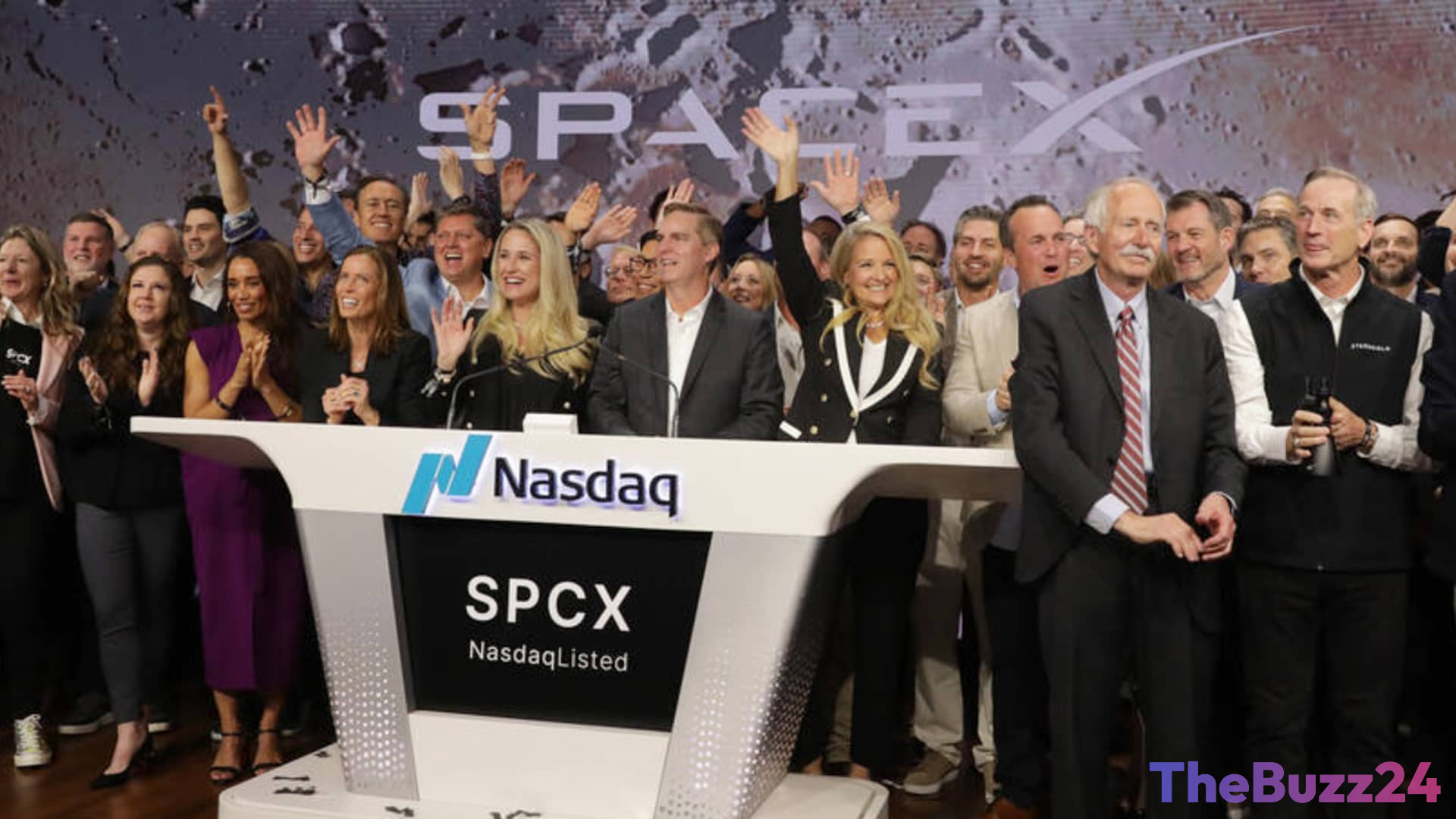
SpaceX shares have experienced a notable pullback following their highly anticipated public debut, eroding a significant portion of the initial gains for many investors who purchased stock in the open market. This recent slide has brought the average post-IPO buyer close to their original entry price, signaling a shift in market sentiment after an initial surge.
The stock, which debuted at an initial public offering (IPO) price of $135, soared to an intraday high exceeding $225 shortly after trading commenced. However, shares have since retreated approximately 20% from that peak. On Thursday, the stock closed just under $184.98, with its five-day volume-weighted average price (VWAP) standing at $181.71. This metric, widely used by traders, suggests that the typical investor who bought shares after the IPO is now approximately at a breakeven point.
While the rapid decline has impacted many, the situation varies for different investor groups. Thousands of retail investors who secured allocations through brokerage platforms such as Robinhood, Fidelity, and SoFi purchased their shares at the $135 offering price. Despite the recent market correction, these investors largely retain profits from their initial investment, even if they received only a fraction of their requested shares.
The reversal underscores the swift change in investor sentiment that can follow a high-profile market debut. After briefly pushing SpaceX’s market capitalization close to $3 trillion, the market appears to be reassessing whether the stock’s rapid ascent was fully justified by the company’s underlying fundamentals and future growth prospects.
Key Takeaways
- SpaceX shares have significantly pulled back from their post-IPO highs, erasing much of the initial gains for open-market buyers.
- The average investor who purchased SpaceX stock after its public debut is now approximately at a breakeven point, according to volume-weighted average price (VWAP) data.
- Retail investors who received shares at the initial $135 IPO price through brokerage platforms are still profitable despite the recent decline.
Editor’s Analysis & Impact
The recent volatility in SpaceX’s stock performance post-IPO highlights a common pattern in highly anticipated market debuts, particularly for high-growth technology and space exploration companies. Initial investor euphoria often drives prices to elevated levels, followed by a period of correction as the market begins to scrutinize fundamentals and long-term valuation more closely. This shift suggests a more rational pricing mechanism is taking hold, moving away from speculative excitement.
Looking ahead, SpaceX’s stock trajectory will likely be influenced by its operational milestones, such as successful launches, Starlink subscriber growth, and financial results. This trend could also set a precedent for future high-profile IPOs, encouraging investors to adopt a more cautious approach to buying into post-debut rallies. The divergence in outcomes for IPO allocators versus open-market buyers also underscores the varying risk profiles within new public offerings.
Frequently Asked Questions
Q: What does it mean for the 'average post-IPO buyer' to be near breakeven?
A: It signifies that investors who bought SpaceX shares in the open market after the company's public debut have seen most of their initial gains disappear, with the current stock price hovering close to their average purchase price.
Q: How have retail investors who received IPO allocations been affected?
A: Retail investors who secured shares at the initial $135 offering price are still profitable, even after the recent stock pullback, as their entry point was significantly lower than the post-IPO peak.
Q: What caused the recent decline in SpaceX's stock price?
A: The decline followed an initial rapid surge post-IPO, as market sentiment shifted and investors began to reassess whether the stock's quick advance was fully justified by the company's underlying fundamentals and long-term prospects.
AI Disclosure: This article is based on verified data and official reports. Our Team and AI have cross-referenced every financial detail with primary sources to ensure total accuracy.
More from this Category