Vance Defends Trump’s Iran Peace Deal Amid Growing Congressional Skepticism
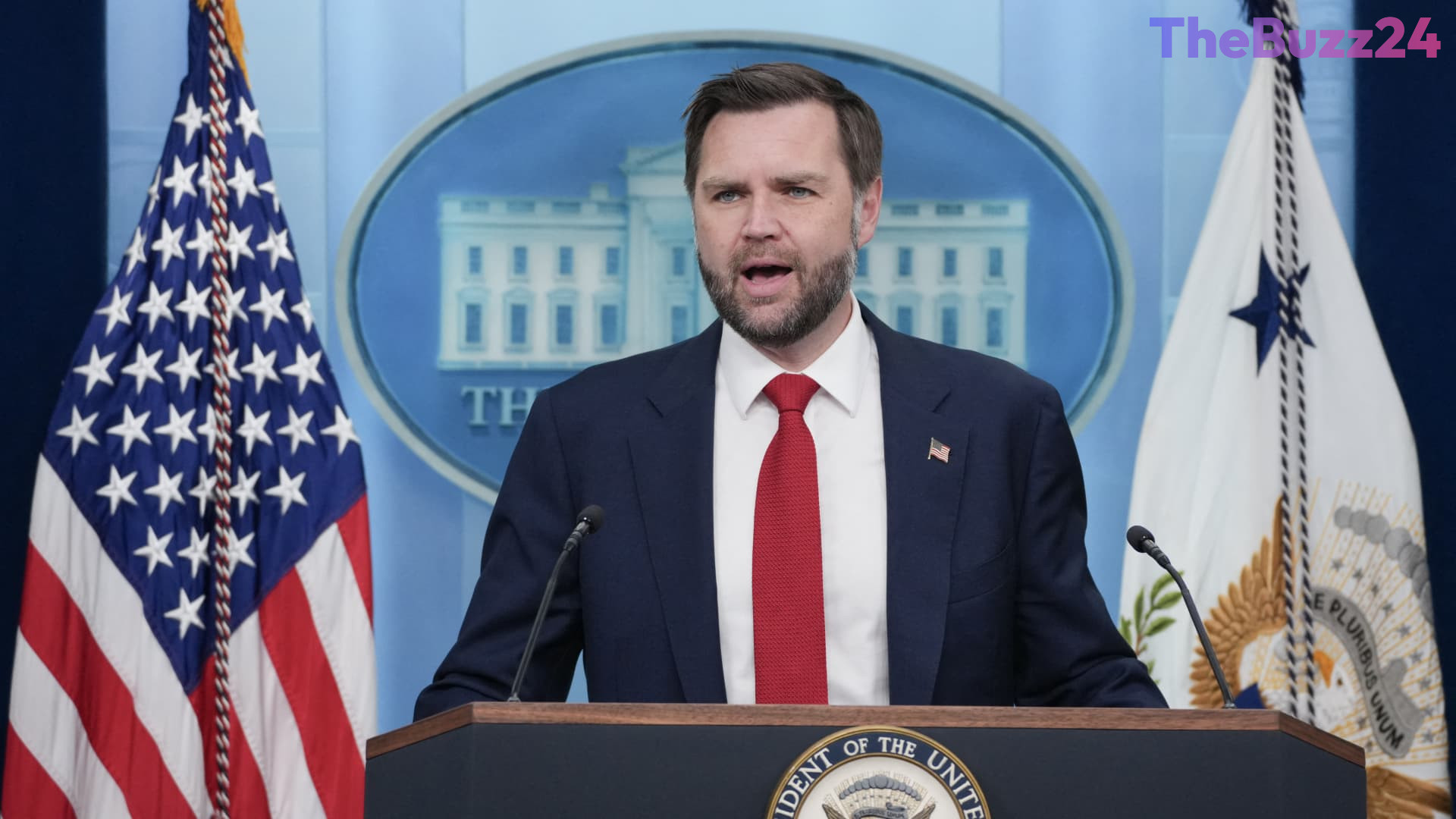
Vice President JD Vance has stepped forward to defend the interim peace agreement between the United States and Iran, asserting that the deal does not involve direct U.S. financial payments to the Islamic Republic. Addressing concerns regarding a 14-point memorandum of understanding, Vance emphasized that any potential economic benefits for Tehran are strictly contingent upon full compliance with the terms established by the Trump administration.
The agreement, which includes provisions for sanctions relief and access to frozen funds, has faced significant scrutiny from lawmakers on both sides of the aisle. Critics, including prominent Republican senators, have expressed alarm over the potential for a $300 billion reconstruction plan and the implications of easing pressure on the Iranian regime. Despite this, Vance maintained that the administration’s approach is a strategic evolution of its pressure campaign, noting that the lifting of sanctions provides the U.S. with greater visibility into Iran’s financial networks.
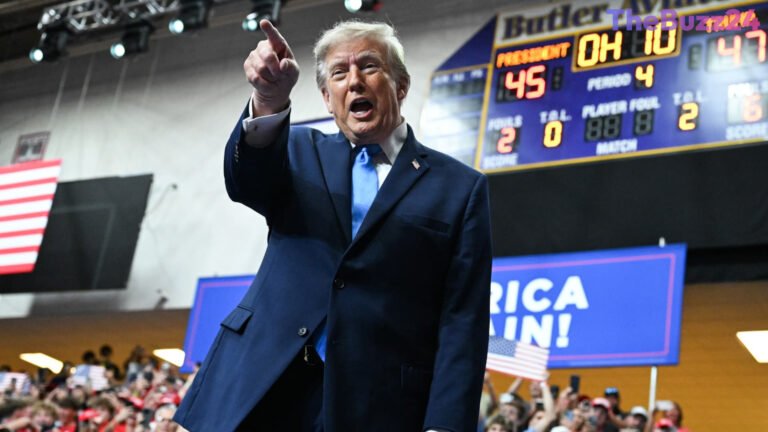
In a move to address regional tensions, the deal mandates a temporary cessation of military operations and the reopening of the Strait of Hormuz for an initial 60-day negotiating window. While Iran’s leadership has framed the agreement as conditional, President Donald Trump has expressed optimism, citing positive market reactions and the potential for a broader ceasefire across the Middle East. Vance also issued a pointed warning to Israeli officials, urging them to maintain their alliance with the U.S. as the administration navigates the complexities of this new diplomatic framework.
As the administration prepares to brief Congress on the specifics of the memorandum, the White House remains confident in its executive authority to implement these measures. The success of the initiative now hinges on whether Iran adheres to the stipulated conditions, a prospect that remains a subject of intense debate among foreign policy experts and members of the legislative branch.
Key Takeaways
- Vice President JD Vance stated that the U.S. is not providing direct funding to Iran, with economic relief tied strictly to compliance.
- The interim deal includes a 60-day window for negotiations, a ceasefire, and the reopening of the Strait of Hormuz.
- The agreement has drawn bipartisan criticism in Congress, with concerns raised over sanctions relief and the potential for a massive reconstruction fund.
Editor’s Analysis & Impact
The Trump administration’s pivot toward an interim peace deal with Iran represents a high-stakes gamble that shifts from a policy of ‘maximum pressure’ to one of ‘conditional engagement.’ By attempting to leverage sanctions relief for transparency and regional stability, the administration is testing whether economic incentives can effectively curb Iranian regional influence. However, the intense backlash from both Republican and Democratic lawmakers suggests a significant political risk. If the deal fails to produce a lasting ceasefire or if Iran continues its regional activities, the administration will likely face severe domestic repercussions. Conversely, if the 60-day window leads to a more permanent framework, it could reshape Middle Eastern geopolitics and stabilize global oil markets, marking a major shift in U.S. foreign policy strategy.
Frequently Asked Questions
Q: Does the new peace deal involve direct U.S. payments to Iran?
A: No. Vice President JD Vance has stated that the United States is not giving any money to Iran and that any economic benefits are strictly conditional on Iran's full compliance with the agreement.
Q: What is the primary goal of the 60-day window established in the deal?
A: The 60-day period is intended to serve as a negotiating window to facilitate a final peace deal, reopen the Strait of Hormuz, and establish a ceasefire across the region.
AI Disclosure: This article is based on verified data and official reports. Our Team and AI have cross-referenced every financial detail with primary sources to ensure total accuracy.
More from this Category