Boyle Heights Residents Demand Action as Warehouse Fire Cleanup Stalls
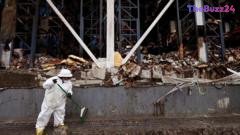
Residents of the Boyle Heights neighborhood in Los Angeles are grappling with a persistent and nauseating crisis nearly two months after a massive fire decimated a local cold-storage warehouse. The blaze, which ignited on June 17, left behind approximately 85 million pounds of decomposing meat, poultry, and seafood. The resulting stench has permeated the surrounding community, forcing local businesses to struggle with dwindling foot traffic and creating significant public health concerns.
Local entrepreneurs, such as coffee stand operators, report that the combination of the overwhelming odor and a surge in pest activity—specifically swarms of flies and large rats—has decimated their customer base. City-commissioned reports have warned that the combination of high temperatures and decaying organic waste creates an ideal breeding ground for insects capable of spreading disease, particularly to those with open wounds. Residents have expressed deep frustration, accusing both the warehouse operator, Lineage, and city officials of failing to provide adequate transparency or a swift resolution to the environmental hazard.
In response to the mounting pressure, Los Angeles Mayor Karen Bass has taken a more aggressive stance, issuing executive orders to expedite the cleanup and demanding better communication from the company. While Lineage claims that 80% of the waste has been removed and has committed to a cleanup budget estimated between $80 million and $100 million, the city has issued public health violation notices and daily fines. Mayor Bass has further mandated that any plans to rebuild the facility remain on hold until the site is deemed safe for the surrounding community.
Key Takeaways
- A massive cold-storage fire in Boyle Heights has left 85 million pounds of rotting food, causing severe odor and pest issues for the local community.
- Lineage, the warehouse operator, faces daily fines and public health citations for the slow pace of the cleanup, which is now under a strict August 13 deadline.
- Local businesses are suffering significant economic losses due to the environmental conditions, while city officials have halted reconstruction plans until safety is guaranteed.
Editor’s Analysis & Impact
The Boyle Heights warehouse incident highlights the critical intersection of industrial logistics and urban public health. When large-scale cold-storage facilities fail, the environmental impact is immediate and severe, often outpacing the regulatory frameworks designed to manage such disasters. The situation underscores a growing tension between corporate responsibility and municipal oversight. For Lineage, the financial burden of the cleanup—projected at up to $100 million—serves as a stark reminder of the risks inherent in high-density food storage. Moving forward, this case will likely trigger stricter zoning laws and emergency response protocols for industrial facilities located near residential areas. The incident also serves as a litmus test for local leadership, as the city must balance the need for economic recovery with the immediate health and safety demands of its constituents.
Frequently Asked Questions
Q: What is causing the smell in Boyle Heights?
A: The odor is caused by approximately 85 million pounds of rotting beef, pork, poultry, and seafood left behind after a fire destroyed a large cold-storage warehouse in June.
Q: Is the cleanup process finished?
A: No, as of mid-August, the warehouse operator reported that about 80% of the food waste had been removed, with a goal to complete the bulk removal shortly thereafter.
AI Disclosure: This article is based on verified data and official reports. Our Team and AI have cross-referenced every financial detail with primary sources to ensure total accuracy.
More from this Category