France Cracks Down on Arson and Negligence as Unprecedented Wildfires Ravage Countryside
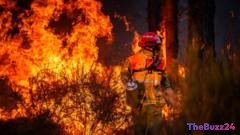
France is grappling with its most devastating wildfire season in decades, with over 300,000 acres of land scorched amid rising global temperatures and severe drought conditions. While climate change remains a primary driver of the extreme weather fueling these blazes, human activity is responsible for the vast majority of the outbreaks. In response, French authorities have launched an aggressive legal crackdown, arresting hundreds of individuals suspected of starting fires either intentionally or through extreme negligence.
The interior ministry reported approximately 420 arrests, including more than 160 minors, in connection with the blazes. Sentences have been swift and severe; for instance, one individual received a three-year prison sentence for igniting fires in the Vosges region, while another faces up to 15 years in prison and a hefty fine for allegedly starting ten fires in the Var region. However, this zero-tolerance approach has drawn criticism from legal experts and defense attorneys, such as Muriel Gestas, who argue that some prosecutions—including those of vulnerable individuals arrested for discarding cigarette butts—are overly aggressive and unlikely to result in sound convictions.
Investigating the origins of these fires presents a massive challenge for forensic teams. Investigators like Eric Dufayet utilize wind patterns and physical evidence to trace fires back to their starting points, looking for DNA or fingerprints in cases of suspected arson. While true pyromania is a rare psychiatric condition, experts note that motives for intentional fires can range from financial gain, such as volunteer firefighters seeking overtime pay, to a desire for attention. Nevertheless, the vast majority of human-caused fires are accidental, sparked by common activities like construction, faulty machinery, or unattended barbecues during high-risk weather conditions.
As the nation braces for subsequent heatwaves, political pressure is mounting on the government regarding its preparedness. President Emmanuel Macron has defended the state’s response, calling the scale of the disaster unprecedented and urging national unity. Macron emphasized that the long-term strategy must focus on adapting to climate change, which will require replanting and redesigning French forests to withstand future environmental shifts.
Key Takeaways
- French authorities have arrested over 400 individuals, including dozens of minors, in a sweeping crackdown on suspected arson and negligent behavior linked to historic wildfires.
- While climate change and severe droughts have exacerbated the fire conditions, human activity—both accidental and deliberate—is blamed for starting nine out of ten wildfires in France.
- The aggressive prosecution strategy has sparked debate among legal experts, with some warning that hasty arrests of vulnerable individuals may lead to unjust outcomes.
Editor’s Analysis & Impact
The aggressive legal response by French authorities highlights a growing global trend: as climate change intensifies natural disasters, governments are increasingly shifting focus toward human accountability and deterrence. The economic toll of these wildfires is immense, disrupting tourism, destroying local businesses, and threatening agricultural sectors. Moving forward, the insurance industry is likely to face a surge in claims, prompting a reevaluation of risk models in fire-prone European regions. Furthermore, President Macron’s call to redesign and replant forests indicates that future land management policies will prioritize climate resilience over traditional conservation. This shift will require significant public and private investment, potentially creating new markets in sustainable forestry and advanced wildfire detection technologies.
Frequently Asked Questions
Q: What is driving the severity of the wildfires in France?
A: The severity is driven by a combination of climate change, which has caused rising temperatures and prolonged droughts, and human activity, which initiates approximately 90% of the fires either through negligence or arson.
Q: Why are some legal experts criticizing the recent arrests?
A: Critics argue that the rapid pace of the arrests has led to overly harsh prosecutions of vulnerable individuals, such as those with mental health conditions or those who committed minor acts of negligence, without sufficient investigation.
Q: How do investigators determine how a wildfire started?
A: Forensic investigators trace the path of the fire backward from the outer edges of the burned area to its point of origin, often looking for physical evidence, DNA, or fingerprints left behind by accelerants or ignition devices.
AI Disclosure: This article is based on verified data and official reports. Our Team and AI have cross-referenced every financial detail with primary sources to ensure total accuracy.
More from this Category