SpaceX Unveils Plan to Erase Cell Phone Dead Zones with Rooftop Micro-Towers
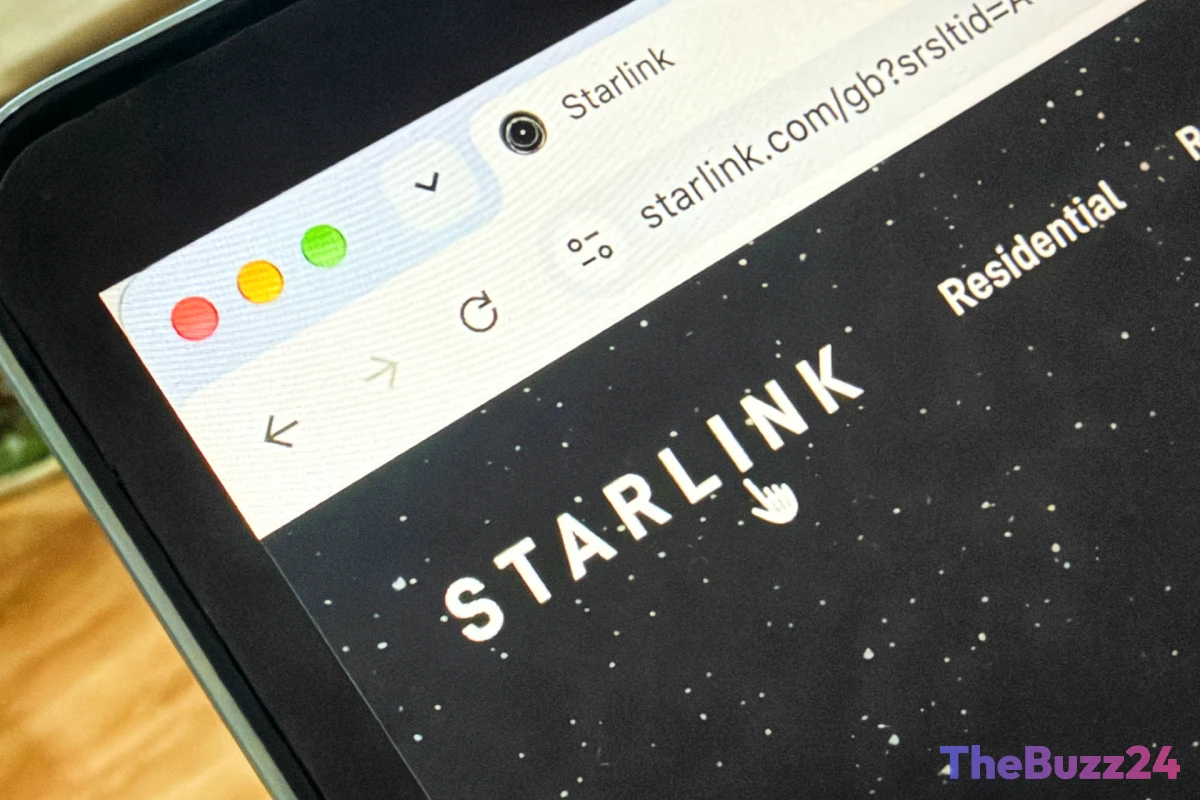
SpaceX, the aerospace giant led by Elon Musk, has revealed a novel strategy to eliminate cellular dead zones, particularly within buildings, by developing miniature rooftop cell towers. Musk announced that the design for these compact devices, intended to enhance mobile phone coverage, has been finalized. The company anticipates these micro-towers will enter production in 2027, addressing a key challenge where signals from Starlink satellites struggle to penetrate structures, especially those with signal-blocking roofs.
This initiative is part of SpaceX’s broader vision for “ubiquitous access on Earth, including via cell phone,” as stated by Musk. The company is set to launch its Direct-to-Cell V2 satellite constellation next year, promising a significant 40-fold increase in bandwidth. However, Musk acknowledged the persistent issue of indoor signal obstruction, necessitating a terrestrial solution. The proposed micro-towers are designed to be installed on rooftops, functioning similarly to a Starlink dish, to bolster signal strength where satellite reception is compromised.
SpaceX’s foray into terrestrial cellular infrastructure follows strategic spectrum acquisitions. The company secured Federal Communications Commission approval in 2024 for its direct-to-phone Starlink service, in collaboration with T-Mobile. Further bolstering its capabilities, SpaceX finalized a $17 billion deal with EchoStar in 2025 and acquired a portfolio of low-band spectrum for $8 billion this year. The integration of this acquired spectrum with the new micro-cell towers is expected to resolve the persistent dead zone problem.
While SpaceX has a history of adjusting production timelines, Musk expressed confidence in the 2027 target for the micro-towers. The company’s president, Gwynne Shotwell, previously indicated a focus on deploying small, low-power cellular base stations rather than large, traditional towers. SpaceX is exploring bundling these base stations with Starlink terminals to streamline deployment. Musk also suggested that the burgeoning demand for bandwidth, driven significantly by AI and robotics, will necessitate such advanced hybrid networks, potentially creating new markets rather than directly competing with existing telecom providers.
Key Takeaways
- SpaceX has finalized the design for miniature rooftop cell towers aimed at eliminating cellular dead zones inside buildings.
- These micro-towers are slated for production in 2027 and will complement SpaceX's Direct-to-Cell V2 satellite constellation.
- The company's strategy involves integrating acquired wireless spectrum with these terrestrial base stations to enhance mobile connectivity.
Editor’s Analysis & Impact
SpaceX’s ambitious plan to deploy rooftop micro-cell towers signifies a significant convergence of satellite and terrestrial communication technologies. By addressing the indoor signal penetration challenge, the company aims to create a truly ubiquitous connectivity network. This move could disrupt traditional mobile network operators by offering a seamless alternative, particularly in underserved areas or for specific use cases. The projected production timeline and the strategic acquisition of spectrum indicate a serious commitment to this venture. Furthermore, Musk’s assertion that AI and robotics will drive future bandwidth demand highlights a forward-thinking approach, positioning SpaceX not just as a satellite provider but as a foundational infrastructure player in the next era of digital communication.
Frequently Asked Questions
Q: When will SpaceX's rooftop micro-cell towers be available?
A: SpaceX anticipates that these miniature cell towers will enter production in 2027.
Q: How will these micro-towers work with Starlink satellites?
A: The micro-towers are designed to act as terrestrial base stations, boosting cellular signals inside buildings where Starlink satellite signals might be blocked. They are intended to complement the satellite constellation, not replace it, and may be bundled with Starlink terminals.
Q: What is SpaceX's strategy for acquiring the necessary spectrum?
A: SpaceX has been actively acquiring wireless spectrum, including approval for its direct-to-phone service with T-Mobile, a $17 billion deal with EchoStar, and an $8 billion acquisition of low-band spectrum.
AI Disclosure: This article is based on verified data and official reports. Our Team and AI have cross-referenced every financial detail with primary sources to ensure total accuracy.
More from this Category