SpaceX Veteran Aims to Revolutionize Geothermal Energy with Rocket Engine Tech
A startup founded by a former SpaceX engineer is poised to transform the geothermal energy sector, having secured $22 million in early-stage funding. Critical Energy, co-founded by CEO Spencer Jackson, who previously worked on projects like SpaceX’s Falcon Heavy and Starship, aims to address a critical bottleneck in geothermal power generation: the availability of specialized turbines.
The company plans to leverage its expertise in high-performance engineering, drawing parallels to rocket engine design, to create modular, factory-built turbines. This approach contrasts with traditional methods that often involve lengthy on-site assembly. Critical Energy’s strategy is to accelerate the deployment of geothermal power plants, potentially enabling gigawatt-scale production much sooner than other emerging energy technologies like advanced nuclear fission and fusion.
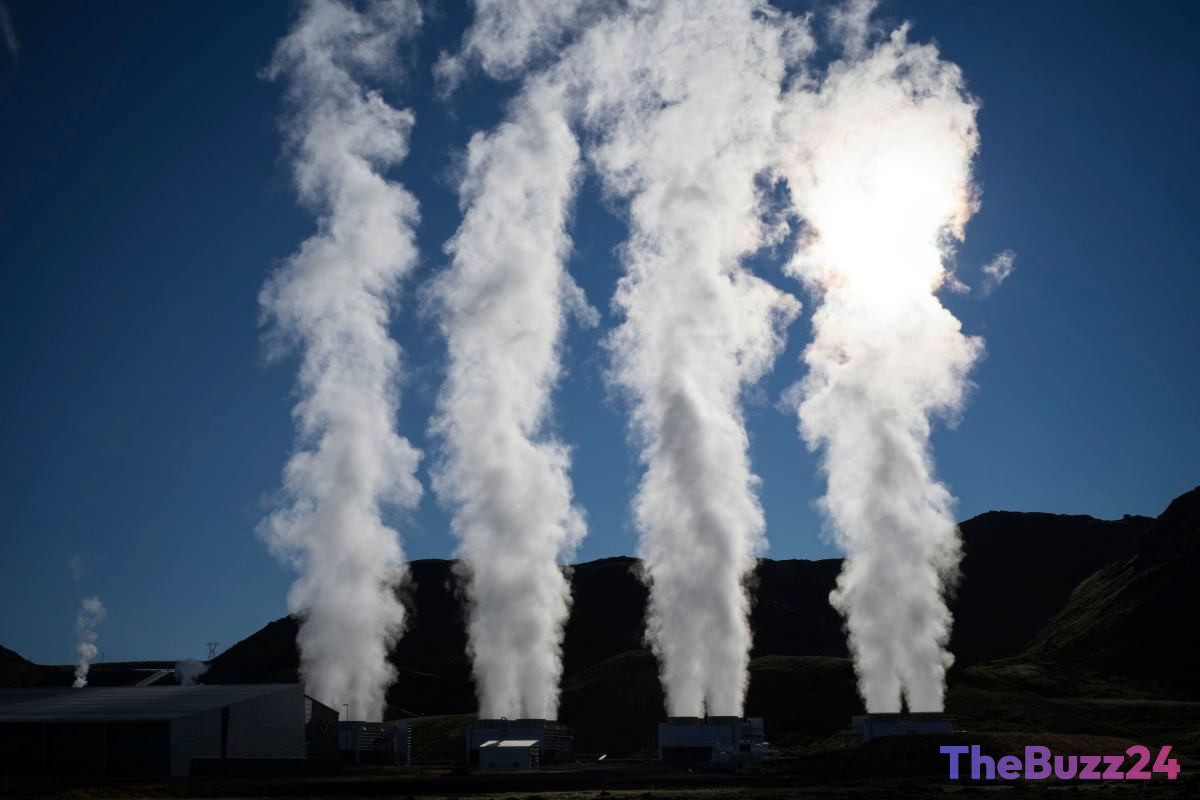
With $19 million in seed funding and an additional $3 million in venture debt from Silicon Valley Bank, Critical Energy is set to construct its first 2.5-megawatt project. This pilot plant is slated for completion by 2027 and will be situated at an existing geothermal site, similar to those found in Iceland or California’s Geysers. The company is also developing a larger, 5-megawatt module designed for enhanced geothermal systems, targeting companies like Fervo Energy.
Jackson expressed optimism about geothermal’s potential, citing its vast global capacity and its ability to meet the burgeoning energy demands of sectors like technology and data centers. He anticipates that as the technology matures, the oil and gas industry, with its extensive drilling experience, will play a significant role in scaling up geothermal operations, provided the necessary turbine technology is readily available.
Key Takeaways
- Critical Energy, founded by a SpaceX alum, has raised $22 million to develop modular turbines for geothermal power plants.
- The company aims to accelerate geothermal energy deployment by using factory-built components inspired by rocket engine technology.
- The first 2.5 MW geothermal project using Critical Energy's turbines is expected to be operational by 2027.
Editor’s Analysis & Impact
Critical Energy’s innovative approach to geothermal turbine manufacturing, inspired by aerospace engineering, could significantly disrupt the renewable energy landscape. By focusing on modular, factory-produced components, the company addresses a key challenge in scaling geothermal power: the lengthy lead times for traditional turbine systems. This strategy positions geothermal as a potentially faster-to-deploy, gigawatt-scale energy source compared to nascent technologies like fusion. The substantial early funding and the pedigree of its founder suggest a strong potential for market impact, especially as demand for reliable, baseload renewable power grows, driven by data centers and broader decarbonization efforts. The involvement of established venture capital firms underscores the perceived viability and market opportunity.
Frequently Asked Questions
Q: What is Critical Energy's main innovation?
A: Critical Energy's main innovation lies in designing and manufacturing modular turbines for geothermal power plants, inspired by the engineering principles used in rocket engines. This allows for faster production and deployment compared to traditional, large-scale turbines.
Q: How does Critical Energy plan to scale up geothermal power?
A: The company plans to scale up by producing turbines in factories, making them readily available for geothermal projects. They aim to reach gigawatt-scale production annually and believe the oil and gas industry's drilling expertise will be crucial for widespread adoption once turbine supply is secured.
Q: When is Critical Energy's first project expected to be online?
A: The first geothermal power plant utilizing Critical Energy's turbines is scheduled to be completed and operational by 2027.
AI Disclosure: This article is based on verified data and official reports. Our Team and AI have cross-referenced every financial detail with primary sources to ensure total accuracy.
More from this Category