SpaceX’s Starship Cleared for Relaunch Following Booster Failure Investigation
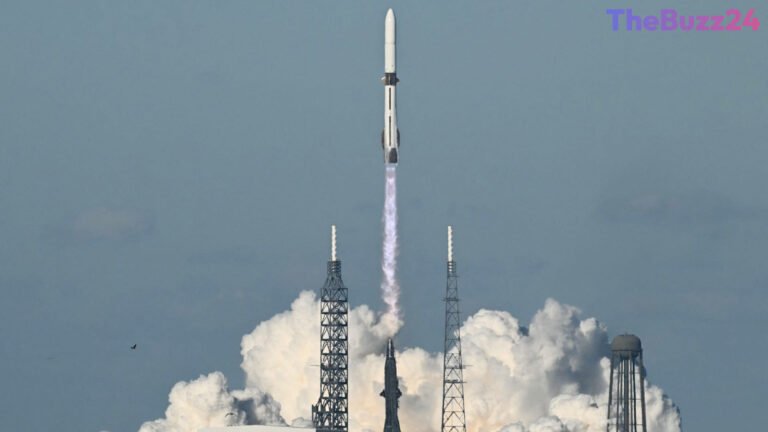
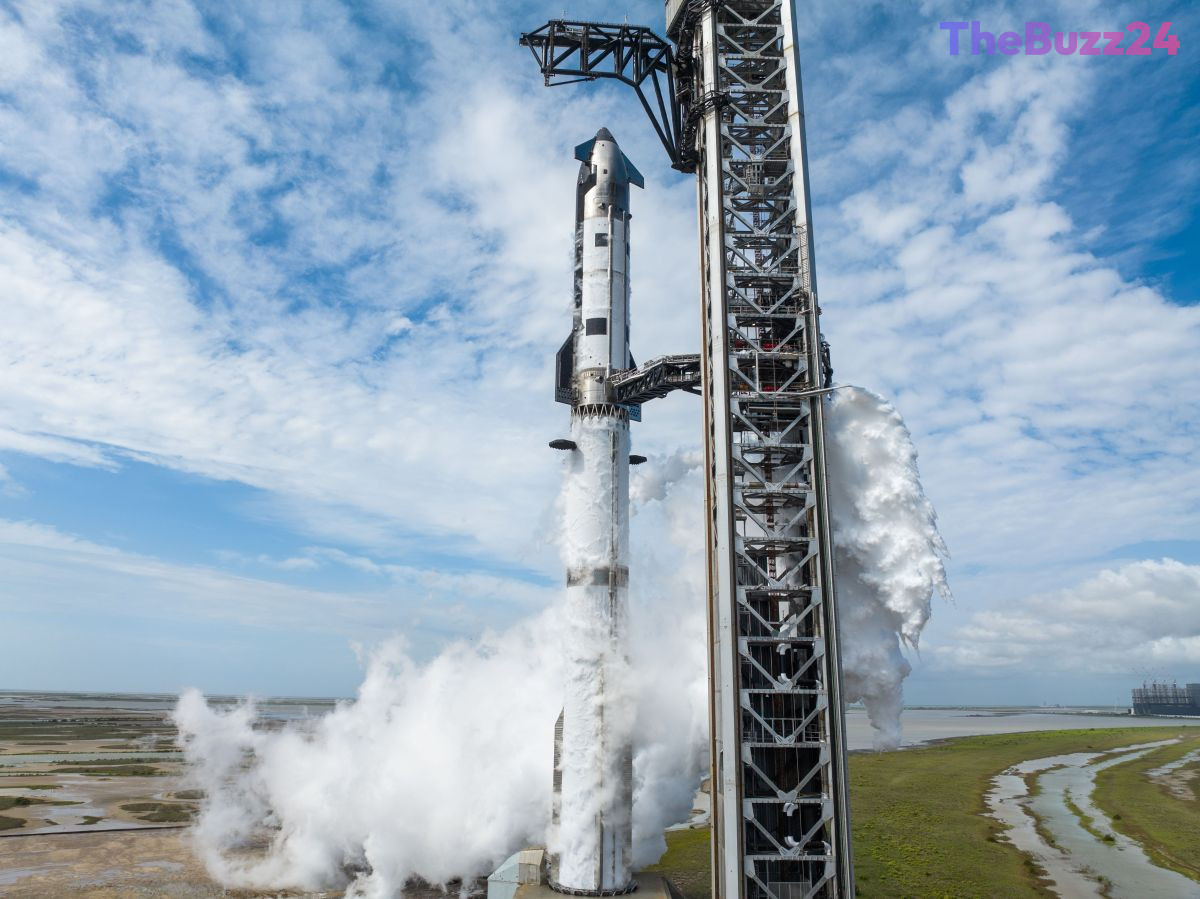
The Federal Aviation Administration (FAA) has granted SpaceX approval to proceed with its Starship prototype flights, following a thorough investigation into the booster stage failure that occurred during a test flight in May. This clearance paves the way for the next launch, which could take place as early as this Thursday, July 16, marking the second flight of the third version (V3) of the ambitious rocket system.
SpaceX attributed the May incident to “slight differences in engine startup on the ship,” which caused the Super Heavy booster to veer 90 degrees off course. The FAA’s independent review corroborated this, identifying “heat effects on propulsion system components during the ascent and erroneous engine alarm system settings” as probable root causes. In response, SpaceX has implemented several modifications, including adjusting the engine startup sequence to ensure more reliable directional control, enhancing re-light reliability for the booster, and updating Starship’s engine alarm and abort systems to mitigate future failures. Furthermore, hardware and operational changes have been made to prevent the loss of upper-stage Raptor engines, a separate issue observed during the previous flight.
The upcoming mission is particularly significant as it will carry the first operational third-generation Starlink satellites into orbit, a departure from previous tests that used dummy payloads. These V3 Starlink satellites are designed to substantially boost the network’s capacity and user speeds, connecting with the broader constellation via high-capacity lasers. This launch underscores the critical role of both Starship and Starlink V3 in SpaceX’s long-term vision, which includes achieving full rocket reusability, establishing space-based data centers, and enabling interplanetary travel. The company, which recently completed its IPO on the Nasdaq Stock Exchange in June, continues to embrace its “fly, fail, fix” development philosophy, even as it navigates the complexities of public market expectations.
Key Takeaways
- SpaceX received FAA clearance for Starship flights after identifying and addressing the cause of a May booster failure.
- The upcoming Starship launch will deploy the first third-generation Starlink satellites, crucial for enhancing internet capacity and speed.
- SpaceX has implemented multiple technical modifications to the Super Heavy booster and Starship's upper stage to improve reliability and prevent future incidents.
Editor’s Analysis & Impact
This FAA clearance is a significant milestone for SpaceX, validating its iterative “fly, fail, fix” development approach in the eyes of regulators. For the space industry, it reinforces the rapid pace of innovation, particularly in reusable rocket technology. The successful deployment of V3 Starlink satellites is critical for Starlink’s profitability and market expansion, directly impacting its competitive position against other satellite internet providers. From a broader perspective, Starship’s progress is foundational to SpaceX’s ambitious long-term goals of lunar and Martian missions, potentially reshaping the future of space travel and resource utilization. The company’s recent IPO adds another layer of scrutiny, as successful test flights directly influence investor confidence and market valuation, especially given Starlink’s role as a key revenue driver.
Frequently Asked Questions
Q: What caused the Starship booster failure in May?
A: The failure was attributed to "slight differences in engine startup" causing the booster to turn incorrectly, along with "heat effects on propulsion system components" and "erroneous engine alarm system settings," according to SpaceX and the FAA.
Q: What is the significance of the V3 Starlink satellites?
A: The third-generation Starlink satellites are designed to significantly increase the network's capacity and user speeds, connecting via high-capacity lasers, and are crucial for Starlink's profitability and expansion.
Q: How has SpaceX addressed the issues from the May flight?
A: SpaceX has modified the engine startup sequence, improved re-light reliability for the booster, updated engine alarm and abort systems, and made hardware and operational changes to prevent upper-stage engine loss.
AI Disclosure: This article is based on verified data and official reports. Our Team and AI have cross-referenced every financial detail with primary sources to ensure total accuracy.
More from this Category