Spain Plunges into Snap Election Amid Housing Crisis and Political Turmoil
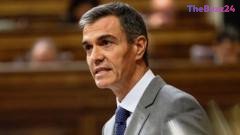
Spain is set to hold a snap general election on November 29, a decision confirmed by Prime Minister Pedro Sanchez. The early poll comes after Sanchez’s Socialist party, which currently leads a minority government, failed to secure parliamentary approval for crucial housing reforms within the Spanish Congress. This legislative setback has intensified the political instability in the nation, prompting the Prime Minister to seek a new mandate from voters.
The upcoming election presents a significant challenge for Sanchez and his Socialist party, as recent polls indicate they are trailing behind the conservative People’s Party. Political observers widely anticipate that the People’s Party may attempt to form a government, potentially in coalition with the far-right Vox party, signaling a potential shift in Spain’s political landscape towards the right.
In his announcement, Prime Minister Sanchez issued a stark warning to the Spanish populace, highlighting what he described as an “extreme-right wave” observed in other countries. He emphasized Spain’s role as a global exemplar of “peace, feminism, and prosperity,” urging citizens to consider these values as they head to the polls. The election is poised to be a critical juncture for the country, determining its future direction both domestically and on the international stage.
Key Takeaways
- Spain will hold a snap general election on November 29, called by Prime Minister Pedro Sanchez.
- The election was triggered by the Socialist party's failure to pass housing reforms in Congress.
- Polls suggest Sanchez's party is trailing the conservative People's Party, which may seek a coalition with the far-right Vox.
Editor’s Analysis & Impact
Spain’s decision to call a snap election underscores the fragility of its current political climate, exacerbated by the inability to pass critical housing reforms. This move introduces significant uncertainty into the market, particularly regarding future economic policies and social spending. A potential shift towards a conservative-far-right coalition could lead to substantial changes in Spain’s domestic agenda, including fiscal policy, immigration, and social rights. Internationally, such a government might alter Spain’s stance within the European Union and on global issues, potentially impacting investor confidence and diplomatic relations. The outcome will be closely watched as a barometer for the broader political trends across Europe.
Frequently Asked Questions
Q: Why was a snap general election called in Spain?
A: Prime Minister Pedro Sanchez called the snap election after his Socialist party's minority government failed to pass key housing reforms in the Spanish Congress, leading to political deadlock.
Q: When will the Spanish general election take place?
A: The general election in Spain is scheduled for November 29.
Q: What are the potential political outcomes of this election?
A: Current polls suggest Prime Minister Sanchez's Socialist party is trailing. There is a strong possibility that the conservative People's Party could emerge victorious and potentially form a government, possibly in coalition with the far-right Vox party.
AI Disclosure: This article is based on verified data and official reports. Our Team and AI have cross-referenced every financial detail with primary sources to ensure total accuracy.
More from this Category