The Case for a Tesla-SpaceX Merger: Strategic Synergy in the Age of AI
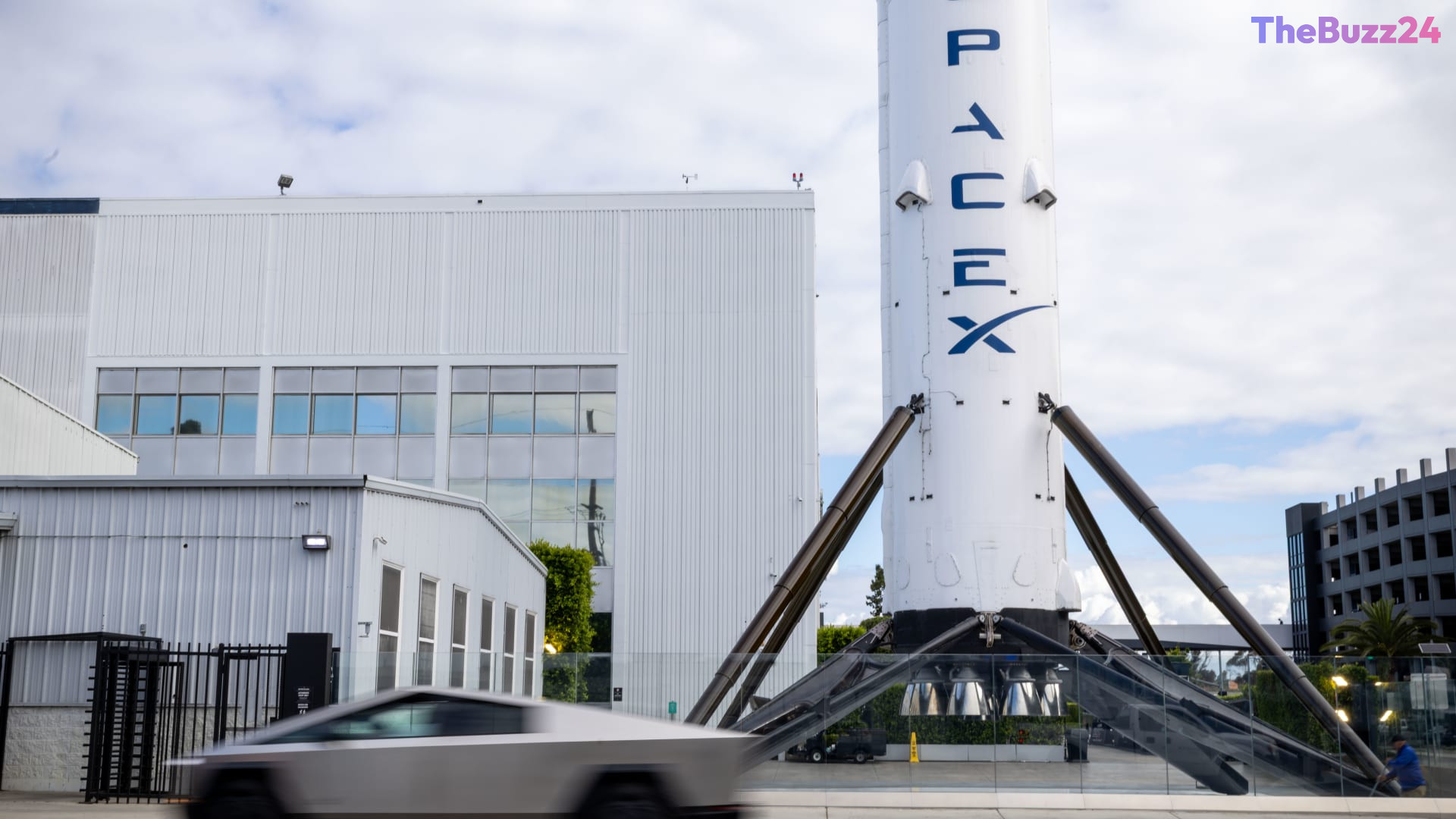
Speculation is intensifying regarding a potential consolidation between Tesla and SpaceX as the aerospace firm prepares for its highly anticipated public debut on the Nasdaq. Following a surge in valuation driven by its integration with xAI, industry analysts are increasingly viewing a merger between the two companies as a logical evolution of their existing operational ties. While Tesla focuses on electric vehicle manufacturing and energy storage, and SpaceX dominates the aerospace and satellite internet sectors, both entities have become deeply intertwined through shared engineering talent and a unified strategic focus on artificial intelligence.
Internal sentiment at Tesla suggests that employees have long viewed the two companies as complementary, particularly as both firms shift their capital expenditures toward the massive infrastructure and computing power required for AI development. The companies already maintain a robust history of resource pooling, which includes cross-company investments, shared board members, and procurement agreements, such as SpaceX’s utilization of Tesla’s Megapack battery systems for its data centers. Suppliers have frequently noted that Elon Musk manages his various ventures as a singular, cohesive ecosystem, reinforcing the perception that a formal merger could be the next step in his broader business strategy.
Despite the operational synergies, a formal union would face significant hurdles. Legal experts point to the complexity of shareholder negotiations and potential valuation disputes that could arise from such a massive corporate restructuring. However, proponents of the merger argue that combining the two entities would provide a streamlined mechanism to secure the immense capital necessary to compete against global tech giants in the rapidly evolving AI landscape. As the SpaceX IPO draws near, the prospect of a unified conglomerate remains a central topic of discussion for investors and industry observers alike.
Key Takeaways
- Industry speculation is rising regarding a potential merger between Tesla and SpaceX as the latter prepares for its Nasdaq IPO.
- Both companies are increasingly aligning their capital expenditures toward AI infrastructure, creating a shared strategic focus.
- While a merger could streamline capital acquisition for AI development, it would face significant structural and valuation challenges.
Editor’s Analysis & Impact
The potential merger of Tesla and SpaceX represents a paradigm shift in how conglomerate structures could function in the era of artificial intelligence. By consolidating these entities, Elon Musk would effectively create a vertically integrated powerhouse capable of controlling everything from energy storage and autonomous transport to satellite connectivity and orbital logistics. The primary market implication is the creation of a massive, capital-efficient engine for AI research that is less reliant on external funding. However, the move would likely invite intense scrutiny from institutional investors concerned about corporate governance and the dilution of focus. If successful, this unified entity would set a new benchmark for cross-industry dominance, potentially forcing competitors to seek similar consolidation strategies to maintain parity in the global technology race.
Frequently Asked Questions
Q: Why would Tesla and SpaceX consider a merger?
A: A merger would allow the companies to pool resources, streamline capital for AI infrastructure, and leverage shared engineering talent to compete more effectively against global tech giants.
Q: What are the main obstacles to a potential merger?
A: The primary challenges include complex shareholder negotiations, potential valuation disputes, and the structural difficulty of integrating two massive companies operating in distinct, highly specialized sectors.
AI Disclosure: This article is based on verified data and official reports. Our Team and AI have cross-referenced every financial detail with primary sources to ensure total accuracy.
More from this Category