Starlink Becomes the Financial Backbone of SpaceX Ahead of Potential IPO
SpaceX is increasingly positioning itself for a public market debut, with recent financial disclosures highlighting a significant shift in the company’s revenue structure. While the firm is globally recognized for its pioneering reusable rocket technology and deep-space exploration ambitions, its Starlink satellite internet division has emerged as the primary engine of growth. Starlink is currently the company’s only profitable business unit, accounting for 61% of total revenue last year and surging to 69% in the first quarter of this year, with total segment revenue reaching $11.39 billion.
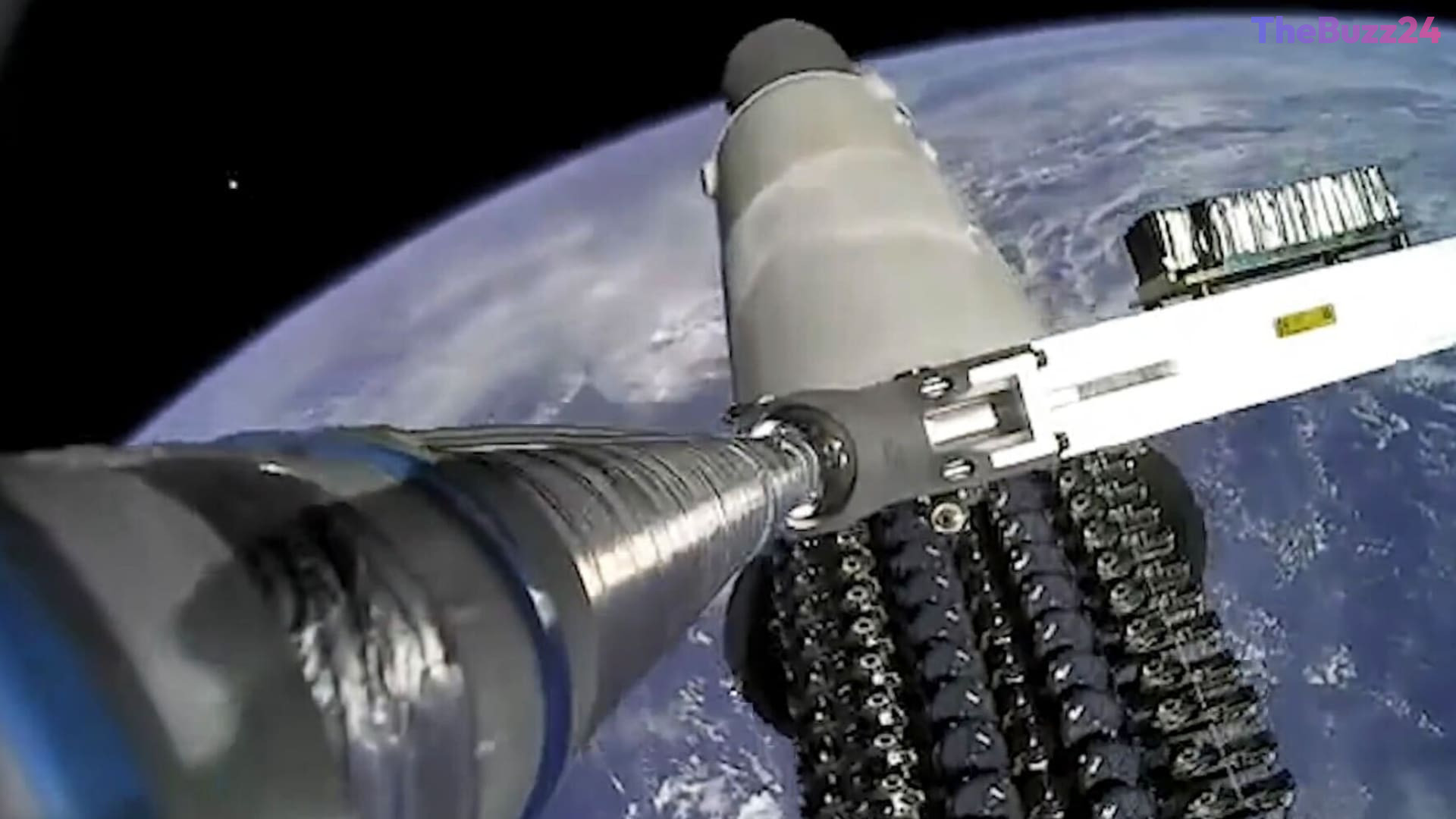
This financial dominance is fueled by a massive constellation of over 10,200 satellites, which now provide high-speed connectivity to users in more than 160 countries. The profitability of Starlink, which reported $4.42 billion in earnings, provides a critical buffer for the company’s other divisions. In contrast, the rocket launch business and aggressive artificial intelligence initiatives are currently operating at a deficit. The company’s commitment to AI is substantial, with capital expenditures hitting $10.1 billion in the first quarter, a significant portion of which is dedicated to scaling these technological capabilities.
Despite this momentum, the path to a public offering is not without hurdles. SpaceX faces a complex web of international regulatory scrutiny, particularly regarding satellite ownership and national security concerns. Furthermore, the company is contending with intensifying competition from rivals like Amazon and Blue Origin, alongside mounting pressure from environmental groups concerned about the long-term impact of space debris and light pollution.
Looking toward the future, the company is exploring cutting-edge projects such as orbital data centers designed to facilitate AI training in space. While SpaceX reports progress in overcoming thermal management challenges for these systems, industry analysts remain cautious about the feasibility of such infrastructure by the proposed 2028 deadline. As the company prepares for its potential Nasdaq debut, its market valuation will likely hinge on its ability to sustain Starlink’s profitability while balancing the massive capital requirements of its long-term technological roadmap.
Key Takeaways
- Starlink has become the primary revenue driver for SpaceX, contributing nearly 70% of total sales in early 2024.
- The company is heavily subsidizing its rocket launch and AI development divisions using the profits generated by its satellite internet service.
- SpaceX faces significant headwinds, including regulatory scrutiny, rising competition from rivals like Amazon, and environmental concerns regarding orbital debris.
Editor’s Analysis & Impact
The financial trajectory of SpaceX represents a classic ‘cash cow’ model, where a mature, high-margin service (Starlink) funds the high-risk, capital-intensive R&D of future-facing technologies (AI and deep-space exploration). For potential investors, the key metric will be whether Starlink can maintain its market lead as competitors like Amazon’s Project Kuiper begin to scale. The pivot toward orbital data centers is particularly ambitious; if successful, it could redefine the economics of AI training by leveraging the unique environment of space. However, the 2028 timeline remains aggressive. The company’s IPO will likely be framed as a bet on the ‘Space Economy’ rather than just a launch provider, making the regulatory and environmental management of its satellite constellation the most critical risk factors for long-term valuation.
Frequently Asked Questions
Q: Why is Starlink considered the most important part of SpaceX's business?
A: Starlink is currently the only profitable division within SpaceX, providing the necessary capital to fund the company's expensive rocket launches and AI research projects.
Q: What are the main challenges SpaceX faces before going public?
A: The company faces regulatory scrutiny over satellite ownership, intense competition from other aerospace firms, and environmental concerns regarding space debris and the impact of satellite constellations on the night sky.
AI Disclosure: This article is based on verified data and official reports. Our Team and AI have cross-referenced every financial detail with primary sources to ensure total accuracy.
More from this Category