Sticker Shock: U.S. Shoppers Cut Back on Groceries as Price Fatigue Sets In
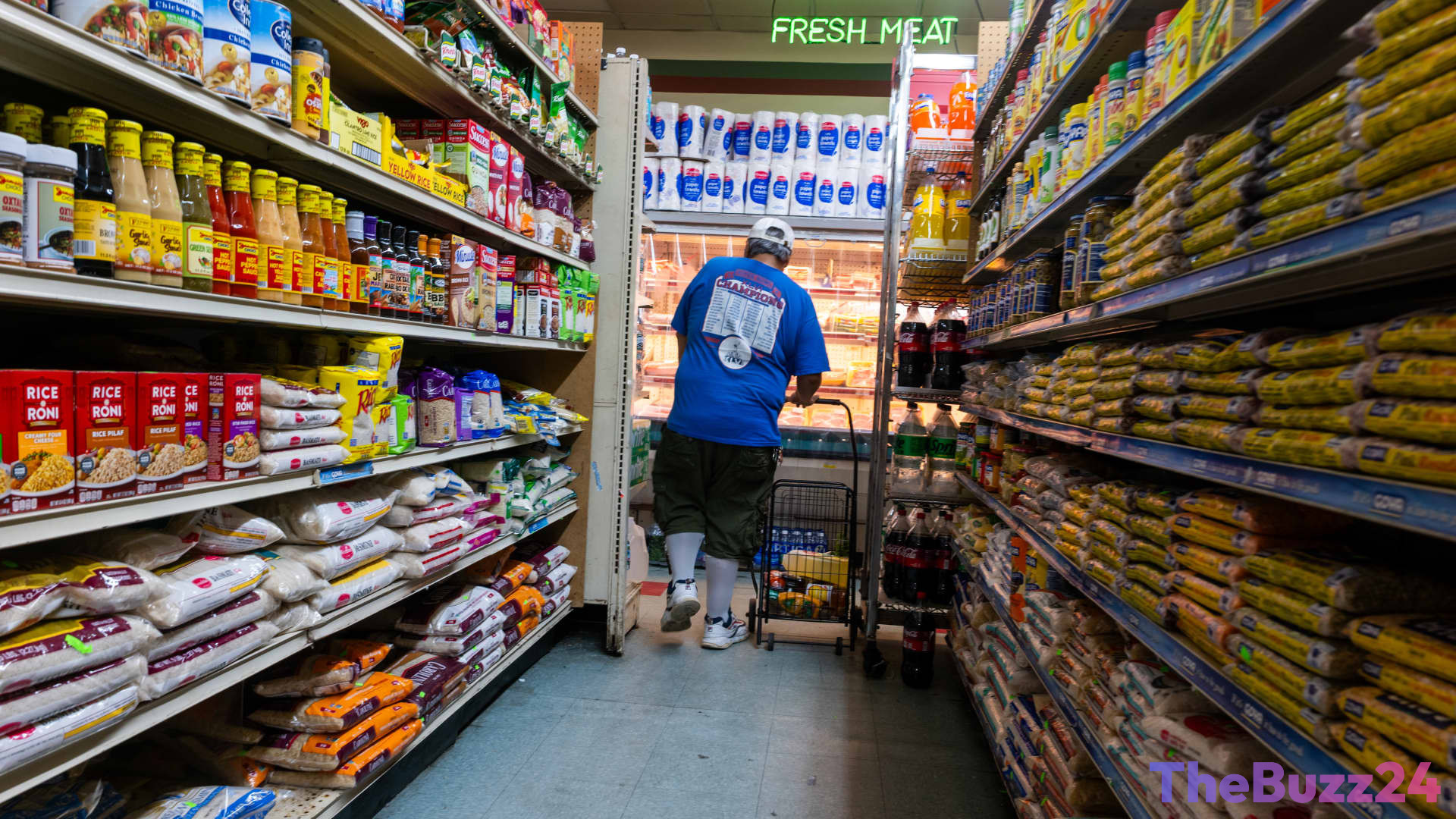
The United States grocery sector is facing a significant slowdown as consumers pull back on purchasing volumes, signaling that price hikes are no longer enough to sustain revenue growth. Recent retail data reveals that grocery unit sales—the actual number of individual items sold—dropped by 1.8% in June compared to the previous year. This decline marks a sharp reversal from the modest growth seen in prior periods, indicating that persistent inflation is finally exhausting consumer budgets.
With grocery prices hovering roughly 33% higher than pre-pandemic 2019 levels, shoppers are experiencing severe sticker shock. A standard cart of groceries that once cost $300 now demands $400, squeezing household budgets across all income brackets. Compounding the issue are elevated fuel costs and reduced government assistance, such as SNAP benefits. Consumer surveys indicate that a vast majority of Americans are actively trying to spend less, with many trading down to cheaper private-label brands, buying fewer items, and hunting for promotional deals.
This shift in consumer behavior is sending shockwaves through major food and beverage manufacturers. PepsiCo, for instance, recently reported a 2% decline in North American food revenue, with overall volume remaining flat. Company executives noted that the consumer environment has weakened faster than anticipated, largely driven by macroeconomic pressures like high gas prices. In response, the snack and beverage giant has had to ramp up promotional activities to retain price-sensitive shoppers.
To combat falling volumes, major retailers like Walmart and Kroger are pivoting from dollar-driven growth back to volume-driven growth. Walmart has initiated aggressive summer price cuts on everyday essentials, including meat, dairy, and brand-name products. Industry analysts note that grocers are increasingly pressuring suppliers to lower costs, recognizing that the key to maintaining market share lies in offering clear, trustworthy value on high-visibility staple items through loyalty programs, private labels, and targeted discounts.
Key Takeaways
- U.S. grocery unit sales fell by 1.8% in June, indicating that consumers are buying fewer items to cope with cumulative inflation.
- Grocery prices have surged approximately 33% since 2019, forcing even middle- and upper-income shoppers to seek cheaper alternatives and private labels.
- Major brands and retailers, including PepsiCo and Walmart, are shifting strategies toward promotions and price cuts to stimulate volume growth.
Editor’s Analysis & Impact
The current slowdown in U.S. grocery sales marks a critical inflection point for the consumer goods industry. For the past few years, food manufacturers and retailers successfully masked declining or flat volumes by raising prices under the guise of inflation. However, the consumer has officially hit a breaking point. With grocery prices up a staggering 33% since 2019, the ‘inflation cushion’ has evaporated, forcing companies to pivot from price-driven revenue growth to volume-driven growth. This transition will likely trigger intense margin pressure. Retail giants like Walmart hold significant leverage and will continue to squeeze suppliers like PepsiCo to lower wholesale prices. Moving forward, the winners in this environment will be companies with robust private-label offerings and those capable of executing highly targeted, data-driven promotional campaigns without completely eroding their operating margins.
Frequently Asked Questions
Q: Why are grocery unit sales declining if inflation is cooling down?
A: While the rate of inflation has slowed to around 2% to 3% annually, the cumulative effect of past price hikes means groceries still cost about 33% more than they did in 2019. Consumers are experiencing budget fatigue and are buying fewer items to keep their total spending manageable.
Q: How are major food brands responding to this shift in consumer behavior?
A: Companies like PepsiCo are increasing their promotional activities and offering deeper discounts. Because consumers are highly price-sensitive, brands must lower effective prices to prevent shoppers from switching to cheaper private-label alternatives.
Q: What strategies are retailers using to attract budget-conscious shoppers?
A: Retailers like Walmart and Kroger are focusing on aggressive price cuts on high-frequency staple items like meat, milk, and eggs. They are also leveraging loyalty programs, personalized digital coupons, and expanding their own private-label brands to offer clearer value.
AI Disclosure: This article is based on verified data and official reports. Our Team and AI have cross-referenced every financial detail with primary sources to ensure total accuracy.
More from this Category