Escalating Tensions: Iran Issues ‘Red Line’ Warning as US Threatens Infrastructure Strikes
Tensions in the Middle East have reached a critical juncture as Iran issued a stern warning to the United States, vowing severe retaliation if American forces target its infrastructure. The declaration comes amidst a backdrop of escalating military actions and direct threats from US President Donald Trump, who indicated that key Iranian infrastructure, including power plants and bridges, could be struck next week if diplomatic negotiations do not resume.
The Iranian government’s top military command spokesperson stated unequivocally that any implementation of Trump’s threats would result in the “crushing” of all intact infrastructure in the region under the “steel blows” of the Islamic Republic of Iran’s armed forces. Furthermore, Iran declared the Strait of Hormuz an “invincible red line,” asserting that it would not permit any foreign interference in the vital waterway. This warning follows a fresh wave of US strikes against Iranian command centers, air defense sites, missile and drone capabilities, and coastal surveillance facilities, which US Central Command stated were aimed at degrading Iran’s ability to threaten commercial shipping in the Strait of Hormuz.
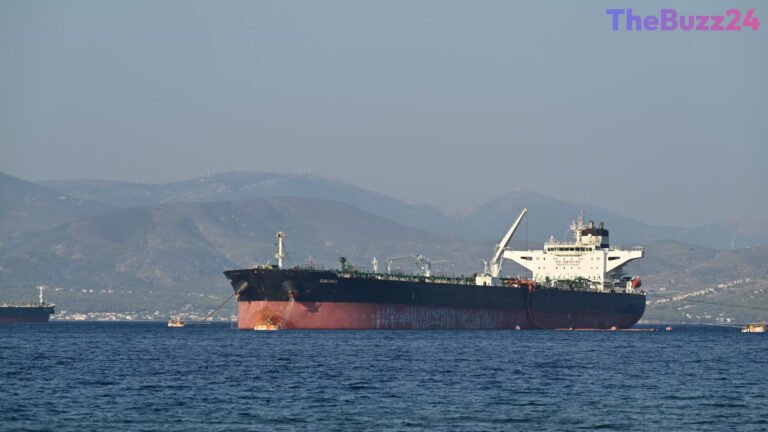
The strategic Strait of Hormuz, a crucial chokepoint for global oil and commodity shipments, has become a central flashpoint in the ongoing conflict. Reports suggest Iran has also instructed Yemen’s Houthi rebels to prepare to close the Red Sea oil route should the US proceed with its threatened attacks. This potential expansion of the conflict underscores the significant risks to international maritime trade and energy supply chains. Both sides have engaged in reciprocal actions, with Tehran launching attacks on multiple Gulf countries in response to earlier US strikes, which were themselves a retaliation for attacks on commercial vessels.
Despite the heightened rhetoric and military engagements, oil markets have shown a degree of desensitization, with Brent crude and U.S. West Texas Intermediate futures experiencing only modest declines. Analysts suggest the conflict may settle into a stalemate, where US precision strikes achieve tactical successes against Iranian capabilities, but fail to deliver a strategic victory as long as Iran can replenish its arsenal. Experts also highlight the challenges for US industrial and logistics capabilities to sustain an open-ended conflict, while Iranian leadership, particularly the Revolutionary Guard, could claim victory simply by surviving. Businesses, however, are reportedly increasing hedge ratios and extending tenors to mitigate geopolitical risks, indicating a cautious approach to market uncertainty.
Key Takeaways
- Iran has issued a direct warning of severe retaliation against any US strikes on its infrastructure, declaring the Strait of Hormuz an "invincible red line."
- US President Donald Trump threatened to target key Iranian infrastructure, including power plants and bridges, if diplomatic negotiations do not resume.
- The conflict poses significant risks to global maritime trade and energy supply chains, with potential involvement of Houthi rebels in closing the Red Sea oil route.
Editor’s Analysis & Impact
The ongoing escalation between the US and Iran introduces significant volatility and uncertainty into global markets, particularly for energy. While oil prices have shown some resilience, the persistent geopolitical risk compels businesses to strengthen their risk management strategies, indicating a long-term impact on corporate planning. The conflict’s trajectory appears to be a tactical stalemate, where US military actions degrade Iranian capabilities but struggle to achieve a decisive strategic outcome. This suggests a prolonged period of instability, with potential for further disruptions to critical shipping lanes like the Strait of Hormuz and the Red Sea. The broader implications include increased insurance costs for maritime trade, potential supply chain re-routing, and a continued diplomatic deadlock, challenging regional stability and international relations.
Frequently Asked Questions
Q: What is the Strait of Hormuz and why is it important?
A: The Strait of Hormuz is a narrow, strategically vital waterway connecting the Persian Gulf with the Arabian Sea and the open ocean. It is one of the world's most critical chokepoints for oil transit, with a significant portion of the world's seaborne oil passing through it daily, making it crucial for global energy markets.
Q: Why is Iran threatening retaliation against the US?
A: Iran's threats of retaliation are a direct response to US President Donald Trump's warnings that the US would target Iranian infrastructure if diplomatic negotiations do not resume. Iran views these potential strikes as an act of aggression and a violation of its sovereignty, vowing to respond forcefully to protect its interests and regional infrastructure.
Q: What are the potential economic impacts of this escalating conflict?
A: The escalating conflict carries several potential economic impacts, including increased volatility in global oil prices due to threats to shipping lanes, higher insurance premiums for maritime trade, and potential disruptions to global supply chains. Businesses are already responding by enhancing risk management, indicating a long-term shift in how geopolitical risks are factored into economic planning.
AI Disclosure: This article is based on verified data and official reports. Our Team and AI have cross-referenced every financial detail with primary sources to ensure total accuracy.
More from this Category