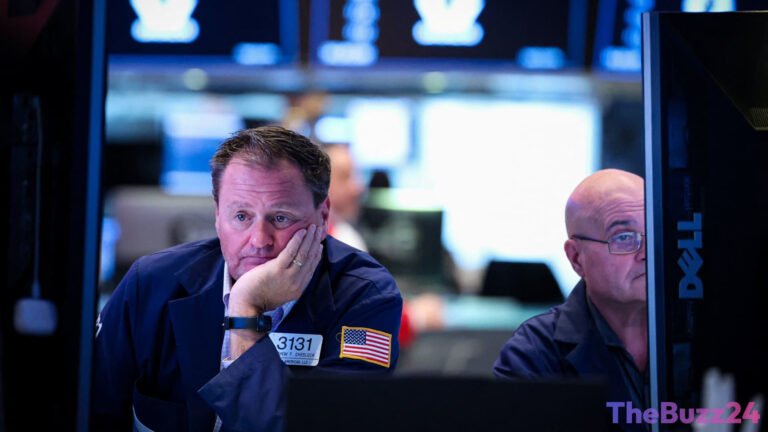
Stock Futures Hold Steady as Markets Navigate Geopolitical Volatility and Earnings Season
U.S. stock futures remained largely unchanged during Monday evening trading, as investors assessed the potential for further escalation in the Middle East. The major market averages experienced a broad decline during the regular session, with the Dow Jones Industrial Average dropping over 550 points, while the S&P 500 and Nasdaq Composite also finished in negative territory. The market sentiment was heavily influenced by reports of military activity in the Strait of Hormuz and ongoing tensions involving Iran, which have introduced a layer of uncertainty into global trade and energy markets.
Despite the geopolitical headwinds, market analysts suggest that investors are increasingly viewing these events as temporary disruptions rather than long-term threats to the broader economic narrative. Many experts point to the resilience of corporate earnings and the ongoing momentum in sectors like artificial intelligence as primary drivers that continue to support the market’s underlying strength. Energy stocks emerged as a rare bright spot during Monday’s session, rising 0.85% as crude oil prices reacted to the regional instability.
Looking ahead, the focus shifts to a busy Tuesday morning, with a wave of high-profile earnings reports from companies including Pfizer, PayPal, and Shopify. Additionally, market participants are bracing for key economic data, specifically the latest figures on the U.S. trade deficit and the Job Openings and Labor Turnover Survey. These indicators are expected to provide further clarity on the health of the labor market and the overall trajectory of the economy as the current earnings season progresses.
Key Takeaways
- Stock futures are trading near the flatline following a broad market decline triggered by rising geopolitical tensions in the Middle East.
- Energy stocks outperformed the broader market on Monday, while materials and industrial sectors faced the steepest losses.
- Investors are shifting their focus to upcoming corporate earnings reports and critical U.S. economic data, including labor market statistics.
Editor’s Analysis & Impact
The current market environment reflects a tug-of-war between geopolitical anxiety and fundamental economic resilience. While headlines regarding Middle Eastern conflicts often trigger reflexive sell-offs, the market has demonstrated a capacity to ‘look through’ these events, prioritizing corporate earnings and macroeconomic data. The outperformance of the energy sector highlights the immediate impact of regional instability on commodity prices, yet the broader market’s stability suggests that institutional investors remain focused on the long-term growth potential of AI and resilient corporate balance sheets. Moving forward, the market’s ability to sustain its current levels will depend on whether upcoming earnings reports can continue to exceed expectations and whether labor market data signals a soft landing for the economy. If geopolitical tensions do not escalate into a broader regional conflict, the market is likely to remain tethered to domestic policy and earnings performance.
Frequently Asked Questions
Q: Why did the stock market decline on Monday?
A: The market decline was primarily driven by investor concerns regarding escalating military tensions in the Middle East and their potential impact on global shipping and energy prices.
Q: Which sectors performed best during the recent market volatility?
A: The energy sector was the only major sector to end Monday's session in positive territory, likely due to the rise in oil prices associated with regional instability.
AI Disclosure: This article is based on verified data and official reports. Our Team and AI have cross-referenced every financial detail with primary sources to ensure total accuracy.
More from this Category