Anheuser-Busch InBev Returns to Growth Fueled by Premium Brand Surge
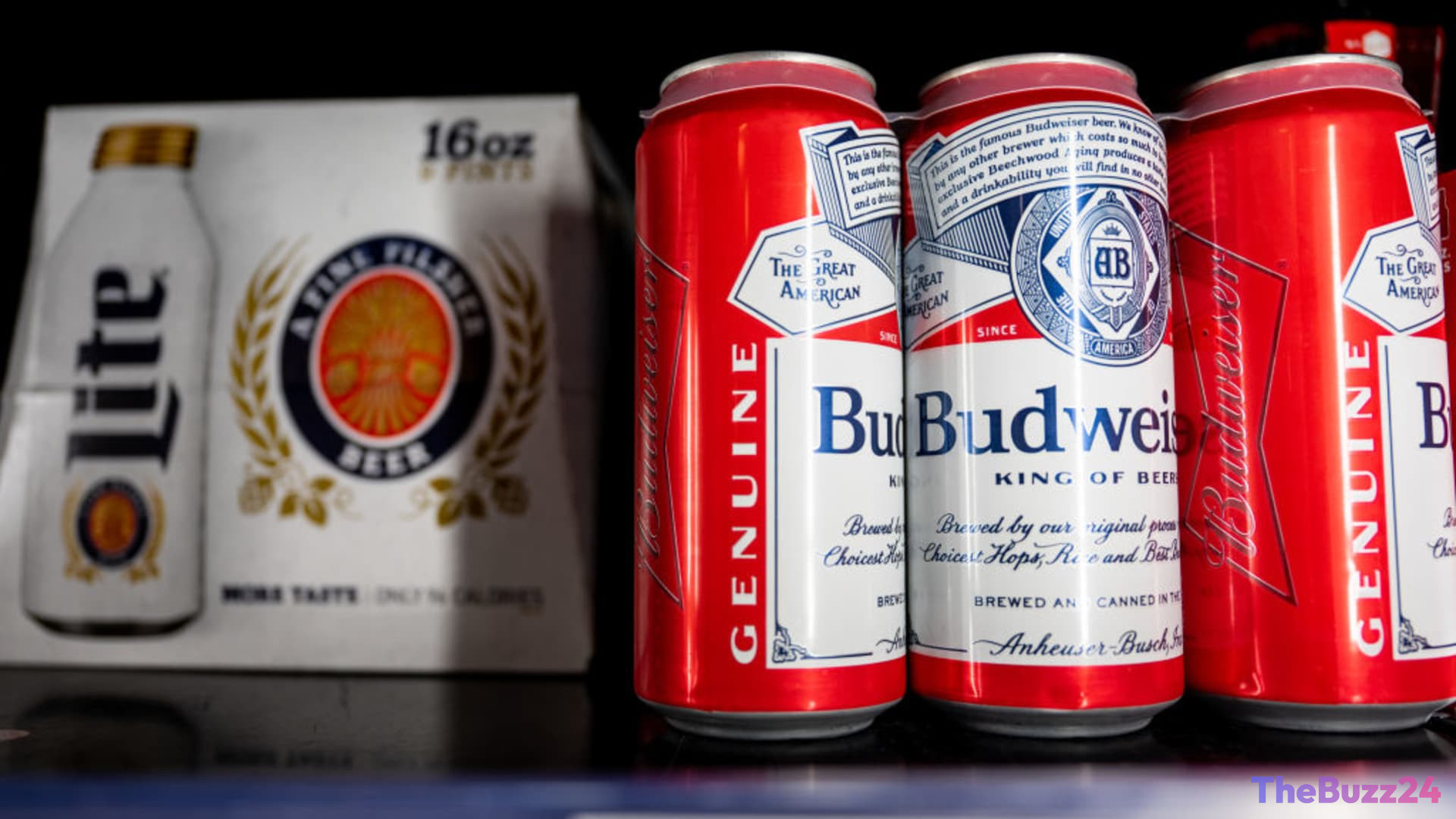
Anheuser-Busch InBev has officially returned to volume growth for the first time since 2023, marking a pivotal turnaround for the world’s largest brewing company. During the first quarter, the firm reported a 0.8% increase in sales volumes, a performance that comfortably exceeded analyst expectations and sparked a nearly 7% rally in its share price. Both revenue and operating income outperformed market forecasts, signaling that the company’s refined operational strategy is gaining traction.
The company’s resurgence is largely attributed to the strength of its premium portfolio, which features global powerhouses such as Corona, Stella Artois, and Michelob Ultra. Beyond traditional beer, the brewer’s strategic expansion into the ready-to-drink market has proven highly effective, with the Cutwater canned cocktail brand recording a 37% surge in revenue. Leadership noted that these results underscore the resilience of the premium segment, even as consumers navigate a challenging global economic environment.
While some analysts pointed to the timing of the Easter holiday as a temporary tailwind in regions like Mexico, the company’s long-term focus on high-margin global assets remains the primary engine of its success. By concentrating resources on these core brands, the brewer has maintained a competitive edge over rivals such as Heineken and Carlsberg, despite ongoing pressures from the rising costs of raw materials like aluminum and glass.
Looking ahead, the company has reaffirmed its full-year financial guidance, expressing confidence that its current projections adequately account for macroeconomic volatility and inflationary headwinds. With a 5.3% organic rise in operating profit for the first quarter—significantly higher than the 2.6% growth anticipated by market experts—the brewer appears well-positioned to navigate the evolving landscape of the global beverage industry.
Key Takeaways
- Anheuser-Busch InBev recorded a 0.8% increase in sales volume, ending a period of stagnation that began in 2023.
- Premium brands and the ready-to-drink Cutwater line were the primary catalysts for the company's quarterly success.
- The company outperformed profit expectations with a 5.3% organic rise in operating income, driving a 7% increase in share price.
Editor’s Analysis & Impact
The recent performance of Anheuser-Busch InBev signals a critical shift in the global beverage market, highlighting that ‘premiumization’ remains a potent strategy for legacy companies facing inflationary pressures. By successfully pivoting toward high-margin brands and diversifying into the ready-to-drink cocktail sector, the company has demonstrated an ability to insulate itself from the broader decline in traditional beer consumption. The market’s positive reaction suggests that investors are regaining confidence in the firm’s ability to manage supply chain costs while maintaining brand loyalty. Moving forward, the company’s ability to sustain this momentum will depend on its capacity to balance aggressive marketing for its premium portfolio against the potential for further consumer spending pullbacks. If this growth trajectory continues, it may force competitors to accelerate their own portfolio consolidation efforts to remain relevant in an increasingly crowded and cost-sensitive market.
Frequently Asked Questions
Q: What were the primary drivers of Anheuser-Busch InBev's growth in the first quarter?
A: The growth was primarily driven by the strong performance of premium brands like Corona, Stella Artois, and Michelob Ultra, as well as a 37% revenue increase in the ready-to-drink Cutwater cocktail segment.
Q: Did the company change its financial outlook for the year?
A: No, the company maintained its full-year financial guidance, expressing confidence that its current projections already account for ongoing inflationary pressures and macroeconomic volatility.
AI Disclosure: This article is based on verified data and official reports. Our Team and AI have cross-referenced every financial detail with primary sources to ensure total accuracy.
More from this Category