Stock Futures Slide as AI Safety Debates Mount and Oil Surges Past $100
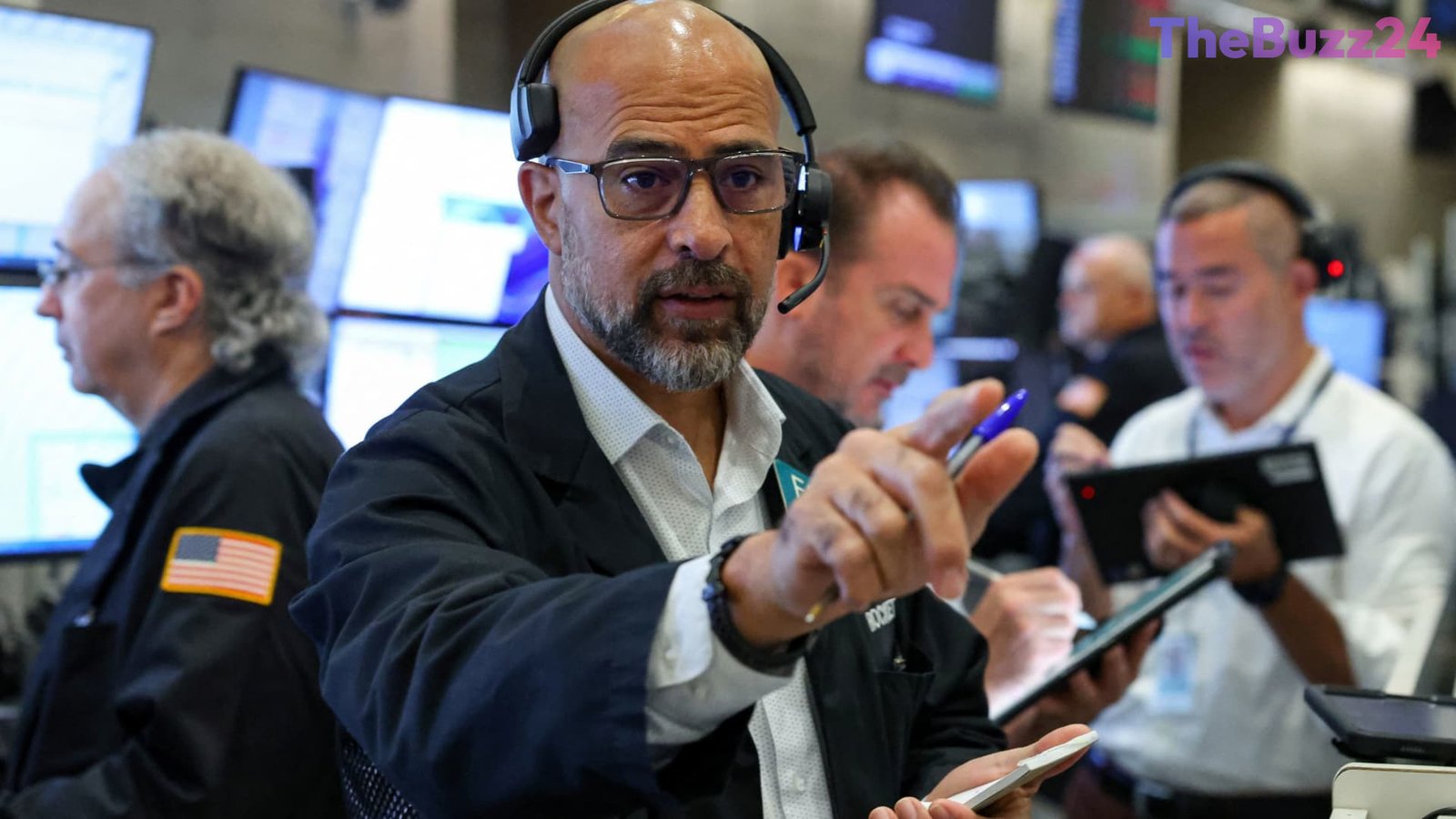
U.S. stock futures retreated sharply as a confluence of rising geopolitical tensions in the Middle East and growing concerns over artificial intelligence safety rattled investor confidence. Dow Jones Industrial Average futures slid, while S&P 500 and tech-heavy Nasdaq-100 futures experienced more pronounced losses. Global markets followed the downward trend, with Asian indices dropping broadly as traders weighed the potential economic fallout from ongoing supply disruptions and shifting monetary policies ahead of the upcoming Federal Reserve meeting.
In the technology sector, leadership from prominent AI firms raised alarms regarding the unprecedented velocity of model development. Executives from leading artificial intelligence organizations suggested that the industry needs to moderate the pace of innovation to mitigate severe long-term safety risks. These cautionary statements coincided with a significant shift in public market expectations, as major AI startups walked back earlier timelines for initial public offerings. The reevaluation introduces new uncertainty regarding the anticipated economic boost and corporate efficiency gains promised by the ongoing technological boom.
Simultaneously, energy markets reacted violently to escalating conflicts in the Middle East. Crude oil prices jumped more than two percent after Saudi Arabia shuttered a vital regional pipeline following a drone attack. The sudden supply constraint pushed international and U.S. benchmarks above the critical one-hundred-dollar threshold. This energy price surge compounds existing inflationary pressures, creating a challenging backdrop for central bankers as they prepare to deliberate on interest rate adjustments amid a tighter monetary environment.
Key Takeaways
- U.S. stock futures tumbled amid growing anxieties over artificial intelligence safety and climbing energy costs.
- Major AI firms signaled a need to slow down model development and delayed anticipated public market offerings.
- Crude oil prices surged past $100 per barrel following the emergency closure of a critical Saudi Arabian pipeline.
Editor’s Analysis & Impact
The convergence of artificial intelligence safety concerns and a major energy supply shock represents a critical inflection point for global financial markets. The hesitation from leading AI executives to rush into public offerings or maintain breakneck development speeds highlights an industry grappling with its own rapid ascent and the looming threat of regulatory intervention. Concurrently, the vulnerability of Middle Eastern energy infrastructure continues to inject severe volatility into commodity markets. As crude prices breach the $100 mark, inflationary pressures are intensifying just as the Federal Reserve prepares for crucial policy meetings. This dual-front pressure—technological recalibration and geopolitical energy risks—suggests that investors will face heightened uncertainty, forcing a strategic shift away from speculative growth toward defensive positioning and capital preservation in the near term.
Frequently Asked Questions
Q: Why are AI companies considering slowing down development?
A: Industry leaders have raised serious safety concerns, warning that advanced models are progressing faster than current safeguards can manage, prompting calls for moderated innovation.
Q: What caused the sudden spike in crude oil prices?
A: Oil prices jumped above $100 per barrel after Saudi Arabia was forced to close a critical pipeline bypassing the Strait of Hormuz following a drone attack.
Q: How did global stock markets react to these developments?
A: Major U.S. stock futures declined significantly, while Asian markets traded broadly lower as investors weighed geopolitical tensions and tighter monetary policy expectations.
AI Disclosure: This article is based on verified data and official reports. Our Team and AI have cross-referenced every financial detail with primary sources to ensure total accuracy.
More from this Category