Strait of Hormuz Reopening: Shipping Industry Braces for Potential Surge Amid Diplomatic Breakthrough
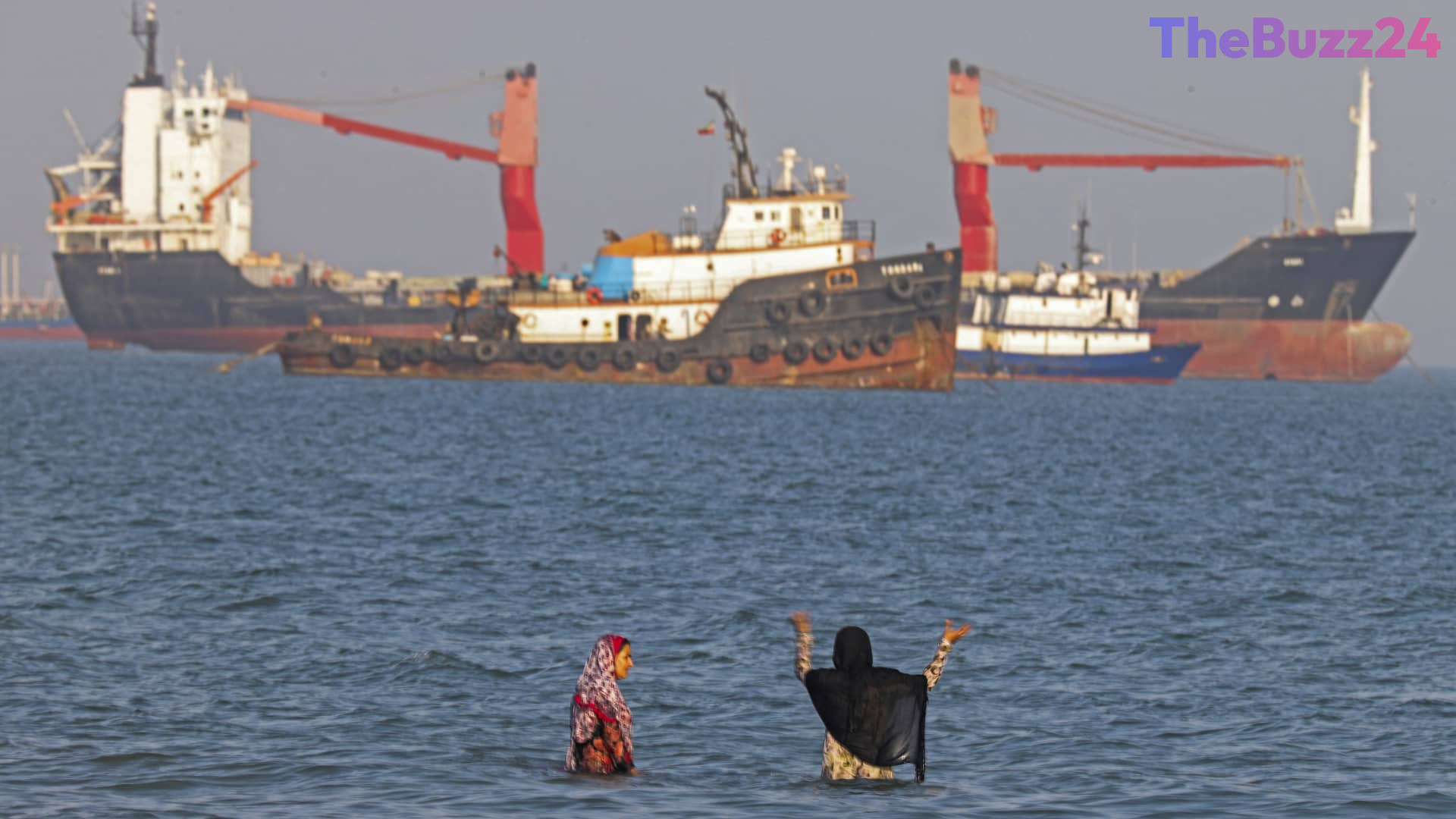
The maritime shipping industry is preparing for a significant shift in the Persian Gulf as a pending agreement between the United States and Iran promises to lift the naval blockade of the Strait of Hormuz. Analysts project that if the deal is successfully implemented, vessel traffic through this critical energy chokepoint could rebound to nearly 50% of pre-conflict levels within the first 30 days. Currently, approximately 118 tankers remain stranded in the region, with experts anticipating a rapid exit of these fully loaded vessels once the waterway is declared safe for transit.
While the prospect of clearing the backlog offers a glimmer of hope for global energy markets, the transition remains fraught with uncertainty. Industry leaders and security experts warn that the threat of naval mines and conflicting interpretations of the agreement between Washington and Tehran could undermine progress. While some officials suggest the route will remain toll-free indefinitely, others have highlighted discrepancies in how the administration of the strait will be handled once the initial 60-day grace period expires.
Major shipping entities and industry groups are maintaining a cautious stance, emphasizing that the initial surge of departing vessels should not be mistaken for a return to long-term normalcy. Insurance premiums and operator confidence will likely remain volatile until the first wave of ships completes the journey without incident. As the situation evolves, the primary focus for the global trade community will be whether the region can sustain consistent, secure traffic once the immediate backlog of stranded tankers is cleared.
Key Takeaways
- Shipping traffic through the Strait of Hormuz could reach 50% of pre-war levels within a month of the U.S.-Iran deal implementation.
- An estimated 118 tankers currently stranded in the Persian Gulf are expected to exit the region within 15 days of the reopening.
- Security concerns, particularly regarding the presence of naval mines and conflicting diplomatic interpretations, continue to pose significant risks to maritime operations.
Editor’s Analysis & Impact
The potential reopening of the Strait of Hormuz represents a pivotal moment for global energy security and maritime logistics. Because roughly 20% of global oil supplies historically transited this route, the current blockade has exerted significant upward pressure on energy costs and supply chain stability. The market impact of this deal will be immediate but likely bifurcated: an initial ‘relief rally’ as stranded cargo reaches international markets, followed by a period of sustained caution. The long-term outlook depends heavily on the normalization of insurance rates and the physical security of the waterway. If the U.S. and Iran fail to reconcile their differing interpretations of the deal—specifically regarding tolling and administrative control—the shipping industry may face a prolonged period of ‘wait-and-see’ behavior, preventing a full recovery of trade volumes.
Frequently Asked Questions
Q: Why is the Strait of Hormuz so important to global trade?
A: The Strait of Hormuz is a critical maritime chokepoint through which approximately 20% of the world's oil supply passes, making it essential for global energy stability.
Q: What are the primary risks preventing ships from returning to the Strait immediately?
A: The primary risks include the potential presence of naval mines, ongoing security volatility, and conflicting diplomatic interpretations regarding the long-term administration and tolling of the waterway.
AI Disclosure: This article is based on verified data and official reports. Our Team and AI have cross-referenced every financial detail with primary sources to ensure total accuracy.
More from this Category