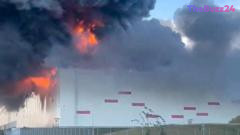
Escalating Drone Warfare: Wildberries Facilities Targeted Amid Intensifying Russia-Ukraine Conflict
A series of coordinated drone strikes has targeted multiple logistics hubs operated by Wildberries, Russia’s largest e-commerce retailer, marking a significant escalation in the ongoing conflict. Overnight operations resulted in substantial damage to facilities in the Moscow, St. Petersburg, and Tver regions. Local authorities confirmed that an industrial site located approximately 69 kilometers south of the Kremlin suffered the most severe impact, resulting in at least five fatalities and ten injuries. While the specific nature of the site near the capital remains a subject of debate among officials, other locations in St. Petersburg and Tver have been explicitly identified as company depots.
Kyiv maintains that these logistics centers serve as critical supply chain nodes for the Russian military, a claim that Moscow consistently denies. In response to the wave of aerial incursions, the Russian Ministry of Defence reported the interception and destruction of over 300 drones. The intensity of the conflict has surged on both sides, with Russian retaliatory strikes across Ukraine resulting in civilian casualties in cities including Mykolaiv and Sumy, where reports indicate the deaths of women and children.
Beyond the industrial targets, the conflict has increasingly impacted civilian areas. Recent incidents include a drone strike on a beach in the Krasnodar region, which resulted in multiple casualties among tourists. While regional officials have characterized these events as deliberate attacks on non-combatants, the volatile nature of electronic warfare and air defense interceptions continues to complicate the security landscape for both nations. As the drone campaign intensifies, the disruption to major commercial infrastructure like Wildberries highlights the blurring lines between economic assets and military logistics in modern warfare.
Key Takeaways
- Multiple Wildberries warehouses across Russia were struck by drones, leading to significant infrastructure damage and at least five deaths.
- The Ukrainian government asserts that these logistics hubs are being utilized to support Russian military operations.
- The conflict has seen a sharp increase in drone activity, with both nations reporting civilian casualties and retaliatory strikes on residential and commercial targets.
Editor’s Analysis & Impact
The targeting of Wildberries, a cornerstone of the Russian digital economy, signals a strategic shift in the conflict toward disrupting domestic supply chains. By striking major logistics hubs, the campaign aims to degrade the logistical efficiency that supports the Russian war effort. However, this strategy carries significant risks, as the proximity of these warehouses to civilian centers increases the likelihood of collateral damage, further inflaming regional tensions. From a market perspective, the destruction of these facilities threatens to destabilize the Russian e-commerce sector, potentially leading to long-term supply chain bottlenecks and increased costs for consumers. As both sides continue to deploy large-scale drone fleets, the conflict is evolving into a war of attrition where critical infrastructure—both military and commercial—is increasingly indistinguishable, suggesting a prolonged period of economic and physical instability in the region.
Frequently Asked Questions
Q: Why are Wildberries warehouses being targeted in the conflict?
A: Ukrainian officials claim that these large-scale logistics and distribution centers are being used to facilitate the movement of supplies for the Russian military.
Q: What is the current status of the Wildberries facilities hit by drones?
A: Several facilities have sustained significant damage, with some sites, such as the one in the Samara region, reported as completely destroyed along with all stored inventory.
AI Disclosure: This article is based on verified data and official reports. Our Team and AI have cross-referenced every financial detail with primary sources to ensure total accuracy.
More from this Category