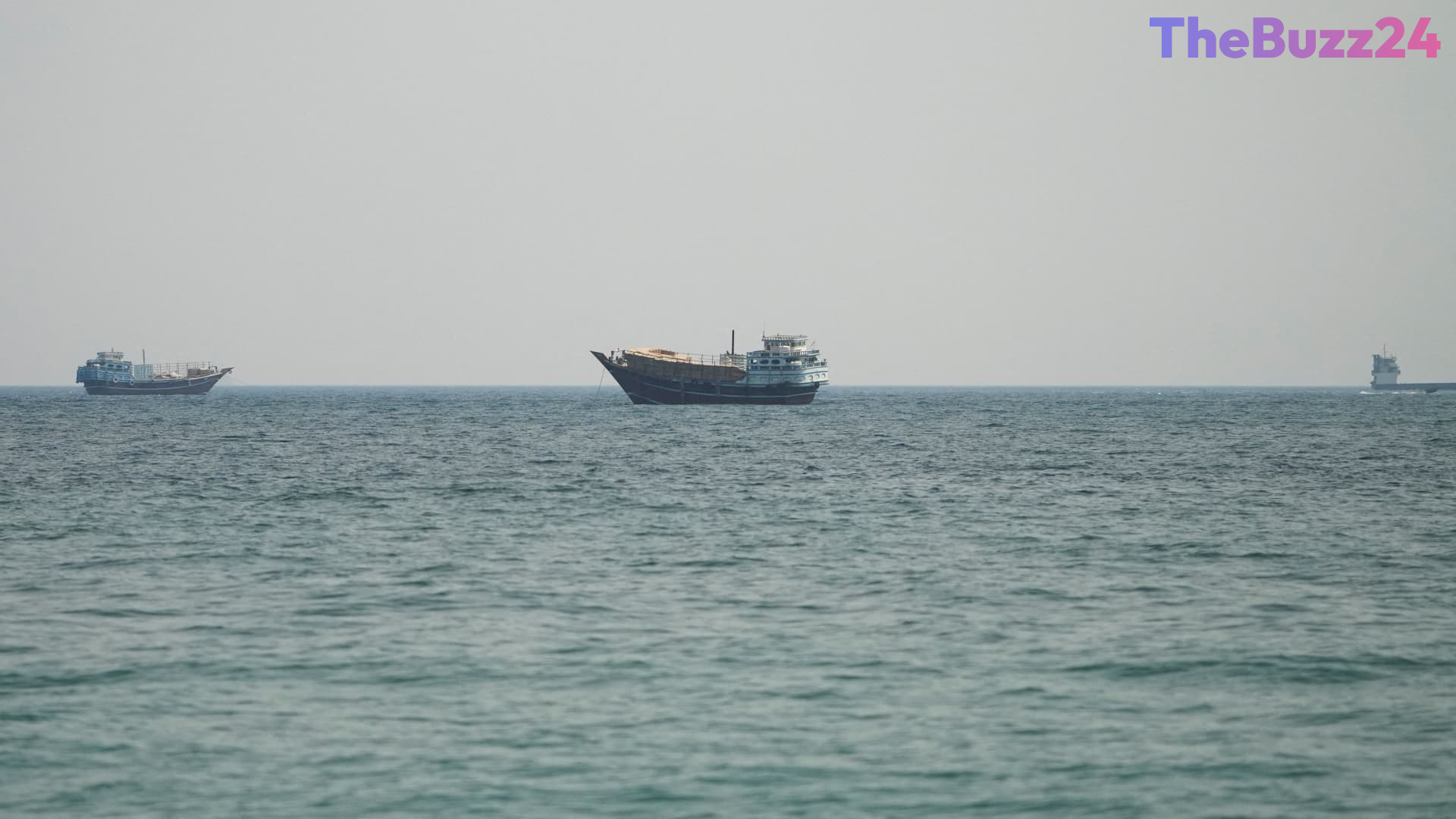
Strait of Hormuz Shipping Disruptions May Persist Beyond a Year, Prediction Markets Indicate
Uncertainty surrounding maritime commerce in the strategically vital Strait of Hormuz has deepened significantly, with predictive modeling suggesting that normal traffic flow may not resume for twelve months or longer. Recent data indicates a sharp decline in confidence regarding a swift resolution, driven by escalating geopolitical tensions and ongoing military engagements in the region.
The downward shift in market sentiment followed a sustained campaign of military strikes targeting Iranian positions, accompanied by high-level warnings of potential further escalations. Consequently, the probability of shipping lanes returning to their historical averages has experienced a steep decline over a very short window, reflecting growing anxiety among global supply chain participants.
Current metrics tracked via verified international shipping data show a dramatic divergence from baseline operational levels. While event contracts monitoring the situation indicate low probabilities for a recovery within the current calendar year, broader regional factors—including militant actions affecting neighboring maritime corridors—continue to complicate the reopening timeline. Meanwhile, diplomatic channels remain active as international intermediaries attempt to facilitate dialogue to de-escalate the unfolding crisis.
Key Takeaways
- Prediction markets show less than a 50% chance of normal traffic returning to the Strait of Hormuz by mid-2027.
- Current transit call averages remain severely depressed compared to the established baseline requirements for market resolution.
- Ongoing military actions and regional militant threats continue to push back expected timelines for a shipping normalization.
Editor’s Analysis & Impact
The prolonged disruption of the Strait of Hormuz underscores the extreme fragility of global maritime choke points in the face of geopolitical conflict. As one of the world’s most critical conduits for energy and cargo shipments, any extended blockage ripples directly through international supply chains, driving up shipping insurance costs and energy volatility. The pessimistic outlook priced into prediction markets signals that commercial operators are preparing for a protracted structural shift rather than a temporary logistical hiccup. In the long term, this crisis may accelerate strategic rerouting, increased investments in alternative overland pipelines, and heightened security postures across global trade arteries, permanently altering risk calculations for international commerce.
Frequently Asked Questions
Q: What is the Strait of Hormuz and why is it important?
A: The Strait of Hormuz is a crucial maritime chokepoint connecting the Persian Gulf with the Gulf of Oman and the Arabian Sea, serving as a primary transit route for a significant portion of the world's petroleum and commercial shipping.
Q: Why are prediction markets forecasting a long delay in normalization?
A: Markets have drastically lowered their expectations due to ongoing military strikes, warnings of further escalations, and related militant activity in adjacent waters, which collectively keep transit numbers far below historical averages.
Q: How is normal traffic officially measured for these prediction contracts?
A: Contract resolutions rely on verified data, such as a sustained seven-day moving average of transit calls exceeding a specific threshold tracked by international monitoring organizations.
AI Disclosure: This article is based on verified data and official reports. Our Team and AI have cross-referenced every financial detail with primary sources to ensure total accuracy.
More from this Category