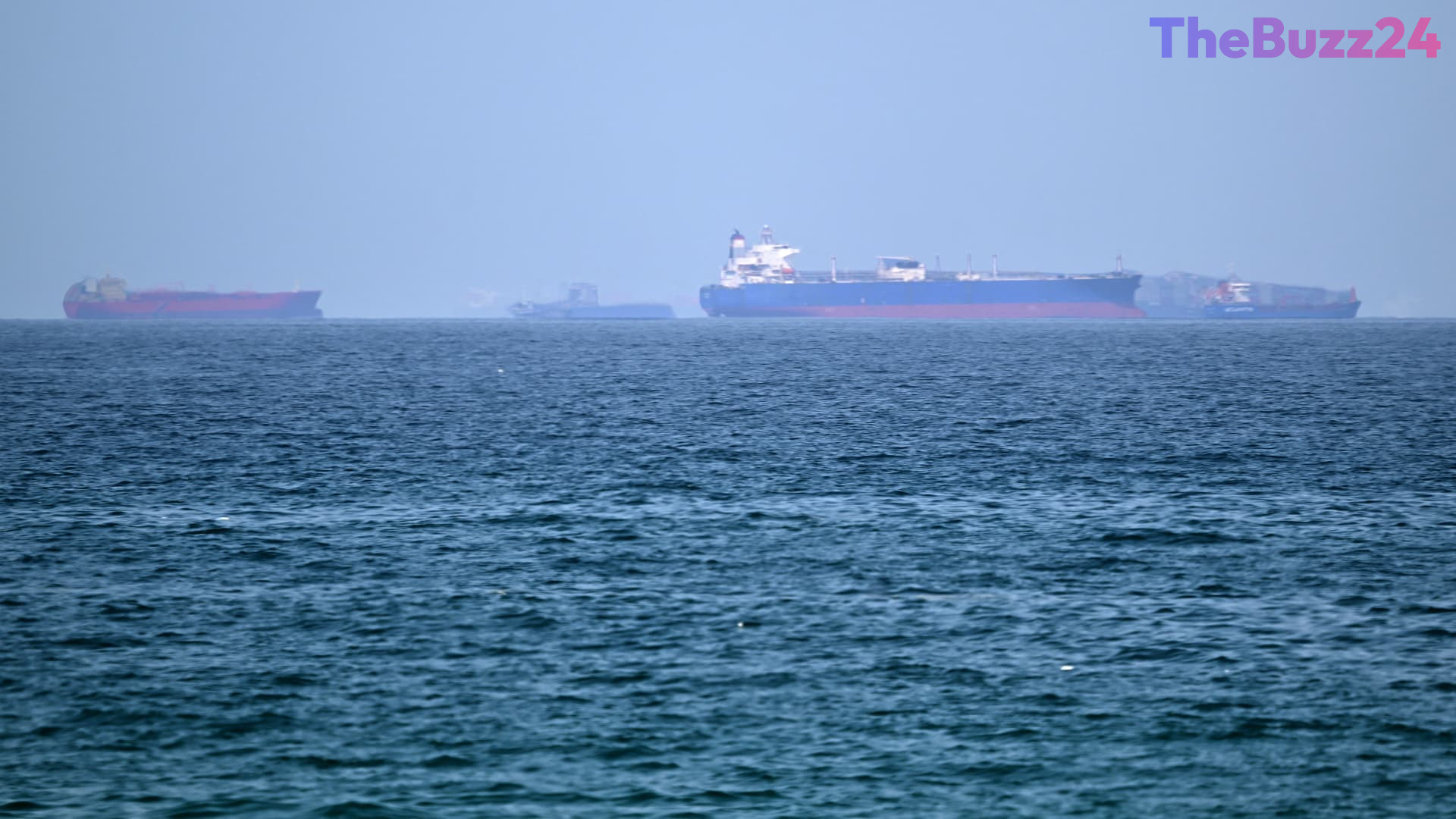
Strait of Hormuz Shipping Normalization Pushed to 2027 Amid Escalating Tensions
The outlook for maritime traffic in the Strait of Hormuz has darkened significantly following the collapse of the ceasefire between the United States and Iran. Market participants on prediction platforms have sharply adjusted their expectations, now suggesting that a return to normal shipping volumes is unlikely to occur before 2027. This shift in sentiment follows recent U.S. military strikes against Iran, which were launched in response to ongoing attacks on commercial vessels navigating the critical waterway.
Data from prediction markets indicates that the probability of traffic returning to normal levels by the end of 2026 has plummeted. Current forecasts suggest only a 44% likelihood of normalization by December 1, with traders now looking toward January 2027 as the earliest window for a potential recovery, where odds currently sit at 53%. These figures represent a rapid decline in optimism, as market participants had previously anticipated a return to stability as early as October.
Industry analysts warn that the renewed instability in the region has immediate consequences for global energy markets. With the Strait of Hormuz effectively back in play as a flashpoint for conflict, the global oil supply faces renewed pressure. Experts note that the escalation has effectively eliminated any near-term prospects for commercial insurers to lower ‘war risk’ premiums, further complicating the logistics for vessels attempting to transit the region.
Key Takeaways
- Prediction markets have pushed the expected normalization of Strait of Hormuz traffic into 2027 following the end of the U.S.-Iran ceasefire.
- The probability of shipping returning to normal levels by December 2026 has dropped to 44% as geopolitical tensions escalate.
- Analysts warn that the ongoing conflict is keeping global oil supplies tight and preventing commercial insurers from reducing war risk assessments.
Editor’s Analysis & Impact
The situation in the Strait of Hormuz serves as a critical barometer for global economic stability. As one of the world’s most important oil chokepoints, any disruption here creates an immediate ripple effect on energy prices and supply chain logistics. The market’s shift toward a 2027 normalization timeline reflects a deep-seated pessimism regarding diplomatic resolutions in the near term. From an industry perspective, the inability to lower ‘war risk’ insurance premiums will likely keep shipping costs elevated, contributing to persistent inflationary pressures in the energy sector. Investors should monitor this situation closely, as any further military escalation could lead to significant volatility in oil futures and broader equity markets sensitive to energy costs.
Frequently Asked Questions
Q: What defines 'normal traffic' in the Strait of Hormuz for these predictions?
A: Normal traffic is defined as a 7-day moving average of transit calls through the strait exceeding 60, verified using data from IMF PortWatch.
Q: Why are shipping insurance costs expected to remain high?
A: Because the region is considered a 'war risk' zone due to attacks on commercial vessels, insurers are unlikely to reduce premiums until there is a sustained period of stability and a reduced threat of military conflict.
AI Disclosure: This article is based on verified data and official reports. Our Team and AI have cross-referenced every financial detail with primary sources to ensure total accuracy.
More from this Category