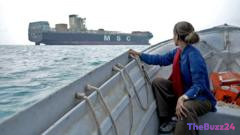
Strait of Hormuz: Uneasy Calm Returns Amid Lingering Tensions and Unreleased Ships
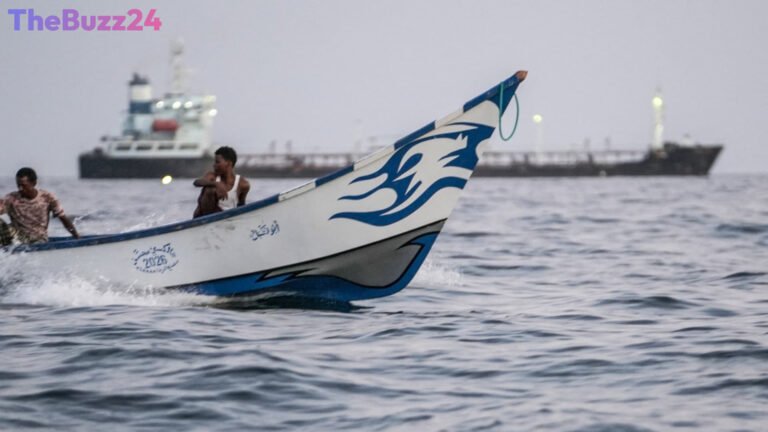
The strategic Strait of Hormuz, a critical global shipping artery, is experiencing an uneasy calm weeks after a period of intense conflict between Iran and US-Israeli forces. In the Iranian port city of Bandar Abbas, life is slowly returning to a semblance of normalcy, with fishermen venturing back into waters that were recently a battlefield. This fragile peace follows a ceasefire agreement between the United States and Iran, which has largely held, allowing for a partial reopening of the vital waterway.
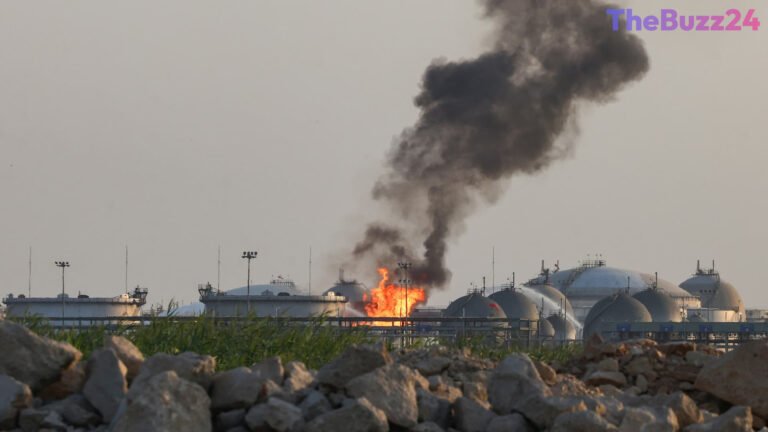
During the height of the conflict, which escalated significantly after US and Israeli attacks in late February, Iran’s Islamic Revolutionary Guards Corps (IRGC) responded by targeting commercial vessels attempting to traverse the strait without permission, effectively halting maritime traffic. This disruption led to a surge in global oil prices and increased costs for a wide array of goods. The US retaliated with its own blockade, impacting ships using Iran’s Gulf ports. While the ceasefire has brought a degree of stability, two container ships, the MSC Francesca and the Epaminondas, seized by the IRGC in April, remain unreleased, and dozens of other cargo vessels continue to wait offshore for clearance from Iranian authorities.
The human cost of the conflict is evident in Bandar Abbas. While markets bustle and families return, scars of war persist. An apartment block on Khushnoodi Street, hit by an Israeli strike in late March, stands partially ruined, a stark reminder of the blurred lines between civilian and military targets. The strike, which Iran confirmed killed IRGC Navy commander Alireza Tangsiri, also claimed civilian lives. Data from the Armed Conflict Location and Event Data Project (Acled) indicates at least 96 US strikes occurred in and around Bandar Abbas between late February and early April, many targeting military infrastructure close to residential areas.
Despite the devastation, local officials, including Bandar Abbas Mayor Mehdi Nobani, assert that the conflict has not weakened Iran. Nobani emphasized the nation’s unity under the new Supreme Leader, Mojtaba Khamenei, and reiterated Iran’s readiness to fully close the Strait of Hormuz should the ceasefire collapse. For residents like Fatemeh, a 55-year-old peach seller whose son lost his job during the war, and Masoumeh, 40, the hope is for the fragile peace to endure, allowing their lives and livelihoods to recover from the profound economic and personal disruptions caused by the recent hostilities. The Strait of Hormuz, therefore, remains a pivotal point of leverage in ongoing negotiations for a lasting peace agreement.
Key Takeaways
- An uneasy calm has returned to the Strait of Hormuz following a ceasefire between Iran and US-Israeli forces, allowing for a partial reopening of the critical shipping lane.
- Despite the ceasefire, Iran continues to hold two seized container ships, and numerous other cargo vessels await permission to pass, indicating lingering tensions and strategic leverage.
- The conflict had significant human and economic costs in Bandar Abbas, including civilian casualties and disrupted livelihoods, highlighting the fragile nature of the current peace.
Editor’s Analysis & Impact
The precarious calm in the Strait of Hormuz carries significant implications for global trade and energy markets. The Strait’s role as a chokepoint for a fifth of the world’s oil and gas shipments means any disruption, or even the threat of it, can send commodity prices soaring. The continued detention of vessels by Iran, despite a ceasefire, underscores Tehran’s strategic use of the waterway as leverage in ongoing diplomatic efforts. This situation creates persistent uncertainty for shipping companies and insurers, potentially leading to higher operational costs and rerouting decisions. The future outlook remains highly dependent on the durability of the ceasefire and the progress of negotiations between the US and Iran, with any breakdown risking a rapid re-escalation that would severely impact global economic stability.
Frequently Asked Questions
Q: Why is the Strait of Hormuz so strategically important?
A: The Strait of Hormuz is one of the world's most vital shipping lanes, through which approximately one-fifth of the globe's oil and gas shipments pass. Its control is crucial for international energy supply and global trade.
Q: Are all commercial ships now freely passing through the Strait of Hormuz?
A: No, while a partial reopening has occurred under a ceasefire, two container ships seized by Iran remain unreleased, and dozens of other cargo vessels are still waiting for permission from Iranian authorities to pass through the strait.
Q: What was the impact of the conflict on the local population in Bandar Abbas?
A: The conflict led to significant disruptions, including economic hardship for fishermen and other residents, civilian casualties from strikes on residential areas, and a general atmosphere of fear and uncertainty, even as life slowly returns to normal.
AI Disclosure: This article is based on verified data and official reports. Our Team and AI have cross-referenced every financial detail with primary sources to ensure total accuracy.
More from this Category