Strengthening Alliances: Xi Jinping Concludes Strategic Visit to North Korea
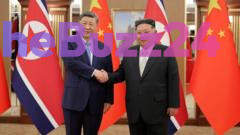
Chinese President Xi Jinping has concluded a high-profile two-day visit to Pyongyang, marking his first official trip to North Korea since 2019. The visit was characterized by elaborate displays of diplomacy, including a red-carpet reception and grand performances orchestrated by North Korean leader Kim Jong Un. While the summit did not yield specific new economic or military agreements, the symbolic weight of the meeting served to reinforce the enduring political bond between the two nations.
During the visit, both leaders emphasized the historical significance of their relationship, particularly as this year marks the 65th anniversary of their mutual defense pact. Kim Jong Un reaffirmed North Korea’s commitment to the ‘One China’ principle and described the bilateral friendship as a top priority, even amidst shifting global geopolitical dynamics. President Xi echoed these sentiments, highlighting a shared destiny and the importance of deepening high-level exchanges to navigate the complexities of the current international landscape.
The visit also underscored China’s role as North Korea’s primary economic and political lifeline, especially as Pyongyang continues to face significant international sanctions. Notably, public discussions regarding North Korea’s denuclearization were absent from official reports, reflecting a shift in Beijing’s public rhetoric. The delegation accompanying Xi included top-tier officials, such as the defense and commerce ministers, signaling the strategic importance China places on maintaining influence over its neighbor.
Despite the outward displays of unity, analysts suggest underlying tensions remain regarding North Korea’s economic trajectory. While China continues to encourage Pyongyang to adopt market-oriented reforms similar to its own model, North Korea has shown little inclination to deviate from its current path. The visit ultimately served as a calculated move for both leaders: for Kim, it provided a display of international support, while for Xi, it served as a reminder of Beijing’s central role in the region’s stability.
Key Takeaways
- President Xi Jinping and Kim Jong Un reaffirmed their bilateral defense pact during a high-profile summit in Pyongyang.
- The visit highlighted China's continued role as North Korea's primary economic and political partner amid international sanctions.
- Discussions regarding North Korea's denuclearization were notably absent from official reports, signaling a shift in diplomatic priorities.
Editor’s Analysis & Impact
The summit between Xi Jinping and Kim Jong Un underscores the delicate balance of power in East Asia. For China, maintaining a stable, albeit unpredictable, North Korea is essential to preventing a power vacuum that could favor Western interests. By reaffirming the defense pact, Beijing is signaling its commitment to regional influence despite global pressure. However, the lack of progress on economic reform suggests that China’s leverage over Pyongyang is limited. The future outlook remains one of ‘strategic patience’ for Beijing; they will likely continue to provide the economic floor necessary to prevent North Korean collapse while attempting to steer the country toward a more sustainable, market-integrated model. The broader implication is a hardening of regional blocs, where China and North Korea solidify their alignment as a counterweight to US-led alliances in the Pacific.
Frequently Asked Questions
Q: Why is the relationship between China and North Korea considered a 'lifeline'?
A: China is North Korea's largest trading partner and provides essential economic aid and political support, which helps the country survive under heavy international sanctions.
Q: Did the summit result in any major policy changes regarding nuclear weapons?
A: No. Official reports from the visit did not mention denuclearization, and China has increasingly avoided public pressure on this issue in recent years.
AI Disclosure: This article is based on verified data and official reports. Our Team and AI have cross-referenced every financial detail with primary sources to ensure total accuracy.
More from this Category