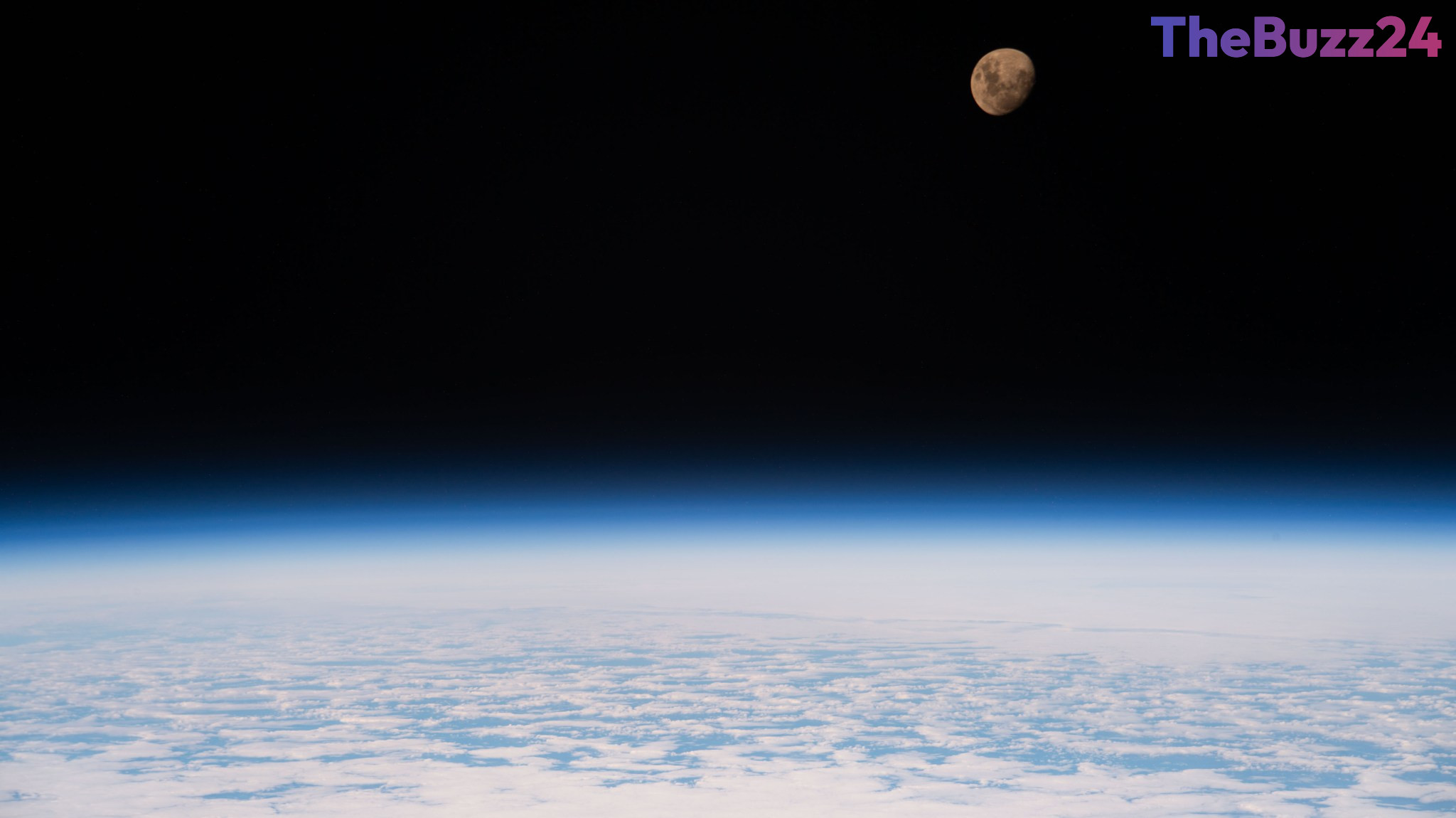
Stunning View of the Waxing Gibbous Moon Captured from Orbit
A striking photograph captured from the International Space Station on June 26, 2026, offers a unique perspective of the waxing gibbous moon. At the time the image was taken, the orbital laboratory was positioned approximately 264 miles above the Indian Ocean, situated southeast of Madagascar.
The waxing gibbous phase represents a specific stage in the lunar cycle that occurs just before the moon reaches its full illumination. During this period, observers on Earth witness a significant increase in the moon’s brightness as the sunlit portion of the lunar surface continues to expand.
This celestial observation highlights the ongoing work conducted by crews aboard the International Space Station. Beyond scientific research and maintenance, the station serves as a premier vantage point for capturing high-resolution imagery of Earth and the surrounding solar system, providing both researchers and the public with a clearer understanding of lunar phases and orbital dynamics.
Key Takeaways
- The International Space Station captured a high-resolution image of the waxing gibbous moon from 264 miles above the Indian Ocean.
- The waxing gibbous phase is the lunar stage immediately preceding the full moon.
- The increased brightness observed during this phase is caused by the expanding sunlit portion of the moon visible from Earth.
Editor’s Analysis & Impact
The release of high-quality orbital imagery serves as a vital tool for public engagement in space exploration. By documenting celestial phenomena like the waxing gibbous moon, space agencies maintain public interest in the International Space Station’s mission. From an industry perspective, these images underscore the importance of low-Earth orbit (LEO) platforms not just for microgravity research, but as essential observation posts for astronomy and Earth science. As private and public sectors increase their presence in space, the ability to capture and transmit such data efficiently will become a standard expectation. This ongoing documentation helps bridge the gap between complex orbital mechanics and public appreciation, fostering continued support for long-term space programs and the development of future lunar and Martian exploration technologies.
Frequently Asked Questions
Q: What is a waxing gibbous moon?
A: A waxing gibbous moon is the phase of the lunar cycle where the moon is more than half illuminated but not yet fully lit, occurring between the first quarter and the full moon.
Q: Why does the moon appear brighter during the waxing gibbous phase?
A: The moon appears brighter because a larger portion of its sunlit side is facing Earth as it progresses toward the full moon phase.
AI Disclosure: This article is based on verified data and official reports. Our Team and AI have cross-referenced every financial detail with primary sources to ensure total accuracy.
More from this Category