Supreme Court Denies Rastafarian Inmate Damages for Forced Dreadlock Shaving
The U.S. Supreme Court has ruled against a former Louisiana inmate seeking monetary damages from prison officials who forcibly shaved his dreadlocks, a practice that conflicted with his Rastafarian faith. In a 6-3 decision, the high court determined that the Religious Land Use and Institutionalized Persons Act (RLUIPA) does not permit individuals to sue state employees in their personal capacities for alleged violations of religious freedom.
The ruling centers on the interpretation of RLUIPA, a federal law enacted in 2000 aimed at protecting religious exercise in institutions. The majority opinion, authored by Justice Neil Gorsuch, stated that Congress, under the Spending Clause, does not possess the authority to impose direct liability on state employees through RLUIPA. Instead, such liability would require explicit consent, which the court found was not provided by state employees when the law was passed.
This decision diverges from a recent trend of Supreme Court rulings that have generally favored religious liberty claims. The dissenting justices, led by Justice Ketanji Brown Jackson, argued that the ruling leaves prisoners like Damon Landor, the inmate in question, without recourse for blatant violations of their religious rights. Justice Jackson’s dissent emphasized that the intent of RLUIPA was to safeguard prisoners’ religious exercise, and this decision undermines that objective, potentially leaving individuals remediless.
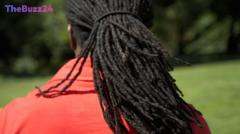
Damon Landor’s dreadlocks are a significant aspect of his Rastafarian devotion. He recounted being forcibly shaved by prison guards at the Raymond Laborde Correctional Center during the final month of his sentence in 2020, despite informing them of his religious beliefs and presenting a court ruling supporting his right to maintain his hair. Prison officials reportedly discarded his documentation before proceeding with the shaving. Prior to this incident, Landor had been permitted to keep his dreadlocks for the initial four months of his incarceration. Both a federal judge and an appeals court had previously ruled against Landor, citing similar interpretations of RLUIPA regarding individual liability.
Key Takeaways
- The U.S. Supreme Court ruled that a former inmate cannot sue prison guards for monetary damages after his dreadlocks were forcibly shaved.
- The court determined that the Religious Land Use and Institutionalized Persons Act (RLUIPA) does not allow lawsuits against individual state employees in their personal capacities.
- The decision limits recourse for prisoners alleging religious freedom violations by state officials, with dissenting justices warning of potential remediless situations.
Editor’s Analysis & Impact
This Supreme Court decision significantly impacts religious freedom claims within correctional facilities, particularly concerning the ability of inmates to seek damages from individual officials. By narrowly interpreting RLUIPA, the ruling prioritizes the legal protections afforded to state employees over the direct enforcement of religious exercise rights for prisoners. This could embolden correctional institutions to enforce uniform policies without fear of personal liability for religious accommodation failures. The dissent’s concern about leaving prisoners ‘remediless’ highlights a potential gap in protections, which may prompt future legislative efforts or further legal challenges aimed at clarifying or strengthening inmate religious rights. The broader implication is a shift in the balance between institutional control and individual religious freedom in the carceral system.
Frequently Asked Questions
Q: What is RLUIPA?
A: RLUIPA stands for the Religious Land Use and Institutionalized Persons Act. It is a federal law enacted in 2000 that aims to protect the religious exercise of individuals, including those in state and local institutions like prisons.
Q: Why did the Supreme Court rule against the inmate?
A: The Supreme Court ruled that RLUIPA does not allow individuals to sue state employees in their personal capacities for monetary damages. The majority opinion stated that Congress did not grant this type of direct liability against individual officials under the law.
Q: What is the significance of dreadlocks in the Rastafarian faith?
A: For Rastafarians, growing uncut, uncombed hair into dreadlocks is considered a symbol of devotion, spiritual growth, and a connection to their faith. It is often referred to as a 'crown' and is deeply personal.
AI Disclosure: This article is based on verified data and official reports. Our Team and AI have cross-referenced every financial detail with primary sources to ensure total accuracy.
More from this Category