Supreme Court Upholds Block on Controversial USPS Mail-In Ballot Rule Ahead of Midterms
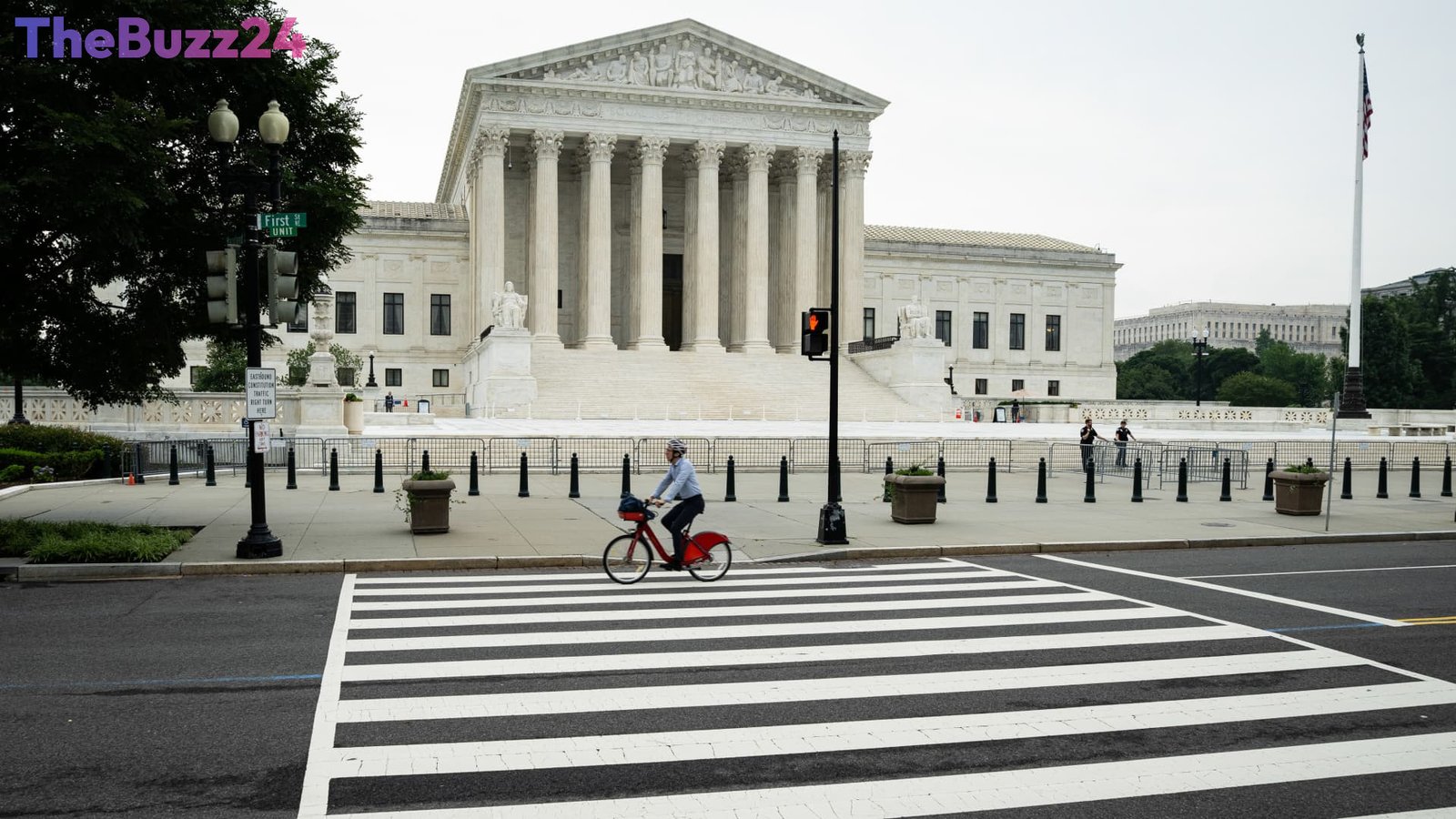
The Supreme Court has declined to lift a judicial injunction that halted a contentious U.S. Postal Service (USPS) rule, which critics argued would impede mail-in voting for the upcoming midterm elections. The administration’s request to override the preliminary block was rejected in an unsigned order, signaling that the government was unlikely to prevail in its legal challenge.
The decision, issued shortly before the crucial midterm contests that will decide control of Congress, means the USPS rule will not be implemented for the November elections. Justice Brett Kavanaugh, appointed by President Donald Trump, concurred with the majority, stating that while the rule might fall within the Postal Service’s authority, its application so close to the elections would be arbitrary and capricious due to insufficient time for state and local election officials to adapt.
Justices Samuel Alito and Clarence Thomas dissented from the court’s decision. In his dissent, Alito argued that some plaintiffs challenging the rule lacked the legal standing to do so, and that the government had a strong interest in enforcing the rule to enhance ballot visibility and detect fraud. However, he acknowledged the practical challenges for states preparing for elections.
Advocacy groups and state officials expressed relief following the ruling. The League of Women Voters, one of the plaintiffs, stated that the Supreme Court prevented the government from creating chaos just weeks before Election Day, emphasizing that the USPS should focus on mail delivery rather than altering election rules. New York Attorney General Letitia James echoed this sentiment, calling the decision a “reprieve” and urging eligible Americans to vote, particularly early.
Key Takeaways
- The Supreme Court rejected the Trump administration's bid to lift a block on a USPS rule impacting mail-in ballots.
- The rule will not be implemented for the upcoming midterm elections, which are critical for determining control of Congress.
- The decision was supported by a majority, with Justices Alito and Thomas dissenting, and cited concerns about the timing and implementation of the rule.
Editor’s Analysis & Impact
This Supreme Court decision represents a significant moment in the ongoing debate surrounding election integrity and voting access. By upholding the injunction against the USPS mail-in ballot rule, the court has prioritized the practicalities of election administration over the potential implementation of new federal standards so close to a major election. This outcome could bolster confidence in the mail-in voting process for the upcoming midterms, while also highlighting the complex legal and logistical challenges involved in regulating election procedures. The dissenting opinions suggest that future legal battles over similar rules are possible, particularly if the administration seeks to implement them further in advance of future elections.
Frequently Asked Questions
Q: What was the controversial U.S. Postal Service rule?
A: The rule established new standards for ballot envelopes and required states to create lists of voters eligible for mail ballots, which critics feared would make mail-in voting more difficult.
Q: Why did the Supreme Court reject the administration's request?
A: The Supreme Court stated that the administration was unlikely to succeed on the merits of its challenge and that applying the rule so close to the elections would be arbitrary and capricious due to insufficient time for election officials to implement it.
Q: Will this rule be used in future elections?
A: The Supreme Court's decision specifically prevents the rule's use in the November midterm elections. It is possible the court could allow the rule to be used in future elections, but this ruling does not guarantee it.
AI Disclosure: This article is based on verified data and official reports. Our Team and AI have cross-referenced every financial detail with primary sources to ensure total accuracy.
More from this Category