Surgeons Recount Heroic Efforts During Krakow Mass Shooting
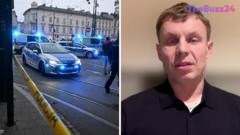
In the immediate aftermath of a harrowing mass shooting in Krakow’s Main Market Square, two surgeons who happened to be nearby stepped into the role of first responders. Professor Michal Pędziwiatr and a colleague were dining in the vicinity when a gunman opened fire on Saturday, resulting in a tragic toll of six fatalities and 15 injuries.
Without waiting for emergency services to arrive, the medical professionals rushed into the active scene to provide life-saving care. Their efforts were focused on stabilizing the wounded amidst the chaos, demonstrating remarkable composure under extreme pressure. The surgeons worked to treat a variety of victims, including two police officers who sustained gunshot wounds while successfully subduing the perpetrator.
Reflecting on the intensity of the situation, Professor Pędziwiatr emphasized his professional commitment to providing care regardless of the circumstances. He noted that his primary objective was to treat everyone involved with the same level of medical urgency, viewing all individuals encountered on the scene as victims requiring immediate intervention.
Key Takeaways
- Two surgeons provided immediate, life-saving medical aid to victims and wounded police officers before emergency services arrived.
- The shooting incident in Krakow's Main Market Square resulted in six deaths and 15 injuries.
- Professor Michal Pędziwiatr maintained a professional medical standard by treating all individuals at the scene as patients in need of urgent care.
Editor’s Analysis & Impact
The actions of Professor Pędziwiatr and his colleague highlight the critical importance of bystander intervention in mass casualty events. While the incident itself is a tragic reflection of the rising concerns regarding gun violence in urban centers, the surgeons’ response underscores the ethical complexities medical professionals face in high-stress, unpredictable environments. From an industry perspective, this event may trigger renewed discussions in Poland regarding public safety protocols and the integration of off-duty medical personnel into emergency response frameworks. The broader implication is a shift toward emphasizing rapid, decentralized medical response capabilities, as the window between the onset of violence and the arrival of official emergency services remains the most critical period for patient survival.
Frequently Asked Questions
Q: How did the surgeons become involved in the emergency response?
A: The surgeons were dining near the Main Market Square when the shooting began and immediately rushed to the scene to provide aid before official emergency services arrived.
Q: Who did the surgeons treat during the incident?
A: The surgeons provided medical care to the victims of the shooting, as well as two police officers who were wounded while subduing the gunman.
AI Disclosure: This article is based on verified data and official reports. Our Team and AI have cross-referenced every financial detail with primary sources to ensure total accuracy.
More from this Category