Gas Price Surge Widens Economic Divide: Lower-Income Households Cut Back Sharply
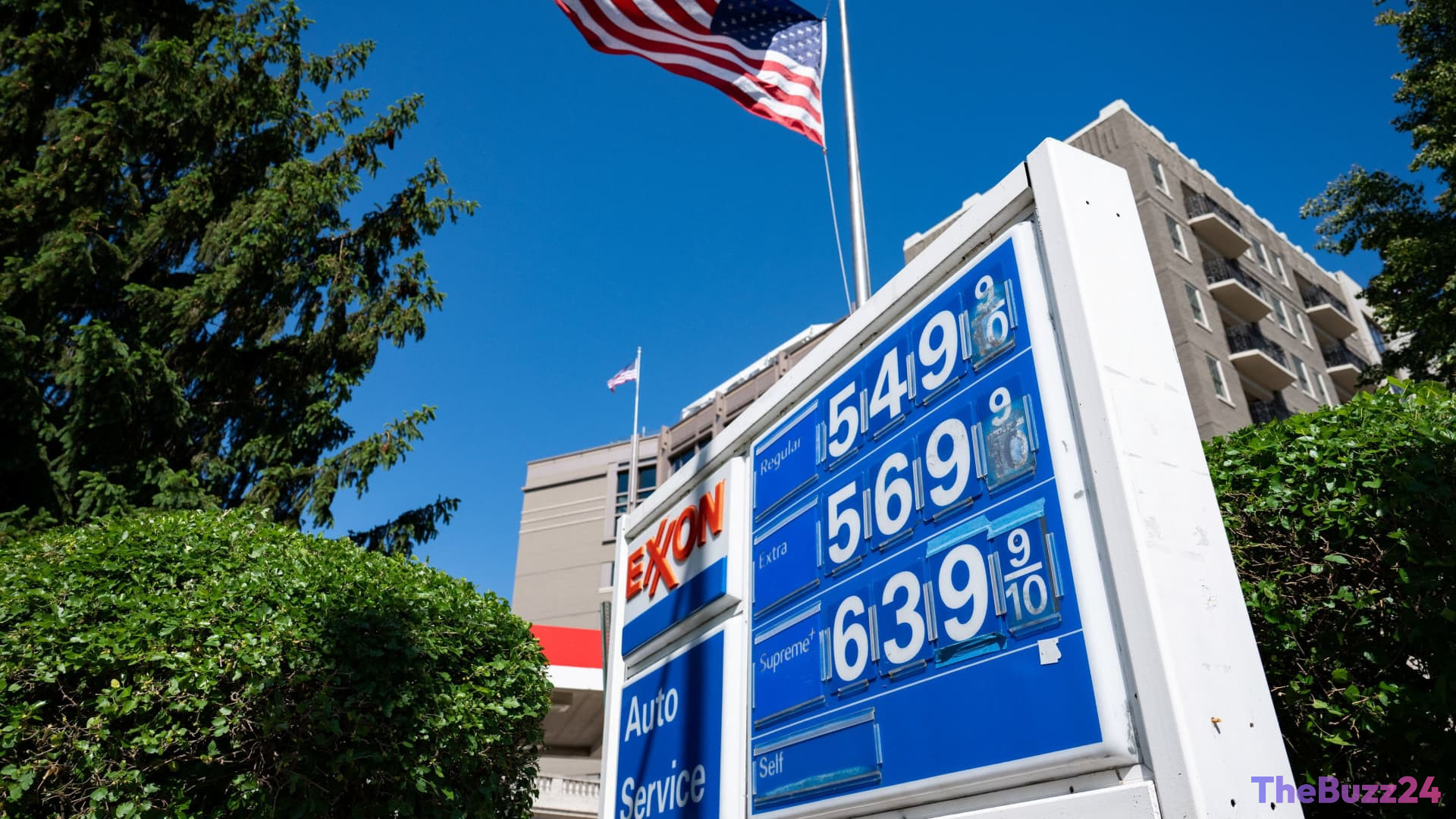
A recent study from the Federal Reserve of New York reveals a starkly divergent impact of rising gasoline prices across income brackets, highlighting a growing economic disparity. Lower-income households, particularly those earning under $40,000 annually, are significantly altering their consumption habits to cope with increased fuel costs. These households have responded by reducing the amount of gasoline they purchase, a strategy that contrasts sharply with their higher-earning counterparts.
In March, a period marked by a significant spike in energy prices, households with incomes below $40,000 saw their nominal gas spending increase by a mere 12%, a figure largely driven by a substantial 7% reduction in actual consumption. This indicates a deliberate effort to buy less fuel. In contrast, households earning over $125,000 annually demonstrated a different response. They increased their nominal spending by 19% while only marginally cutting real consumption by 1%, suggesting that the higher prices have had a less pronounced effect on their purchasing behavior.
This phenomenon, described by researchers as a “K-shaped consumption pattern,” has become increasingly evident in the post-pandemic economic landscape. The study’s authors noted that this trend is even more pronounced during the current energy price shock compared to previous instances, such as the energy price spike following Russia’s invasion of Ukraine in 2022. The research, which analyzed data from 2,000 respondents, indicates that higher-income consumers have managed to absorb the costs with minimal changes to their driving habits, while lower-income individuals are forced to make more significant adjustments, potentially through carpooling or increased reliance on public transportation.
Key Takeaways
- Lower-income households are disproportionately affected by rising gas prices, cutting consumption significantly.
- Higher-income households show less behavioral change in response to fuel cost increases.
- The current energy price shock is exacerbating a 'K-shaped' economic pattern, widening the gap between income groups.
Editor’s Analysis & Impact
The Federal Reserve’s findings underscore a critical economic challenge: the uneven impact of inflation on different income strata. The ‘K-shaped’ consumption pattern observed in gasoline spending is a clear indicator that broad economic trends are not benefiting all segments of society equally. As energy prices continue to be volatile, this disparity could lead to further social and economic stratification. Policymakers and businesses will need to consider targeted strategies to support lower-income households facing these pressures, as their ability to absorb price shocks is limited. The long-term implications could include shifts in consumer behavior, increased demand for public transit, and a greater focus on fuel efficiency.
Frequently Asked Questions
Q: What is the 'K-shaped' consumption pattern?
A: The 'K-shaped' consumption pattern refers to a divergence in economic behavior and outcomes between different income groups. In this context, higher-income households are able to maintain or even increase their spending despite rising prices, while lower-income households are forced to cut back significantly, creating a visual 'K' shape when consumption trends are plotted.
Q: How did lower-income households adjust to higher gas prices?
A: Lower-income households adjusted by significantly reducing their actual gasoline consumption, meaning they bought less fuel. This led to a smaller increase in nominal spending compared to higher-income groups, who increased spending more substantially while cutting consumption only slightly.
Q: What is the significance of this study for the broader economy?
A: The study highlights how inflation and price shocks disproportionately affect vulnerable populations, potentially widening the economic divide. It suggests that economic recovery and growth are not uniform across all income levels, posing challenges for social equity and economic stability.
AI Disclosure: This article is based on verified data and official reports. Our Team and AI have cross-referenced every financial detail with primary sources to ensure total accuracy.
More from this Category